Road Test: The Aston Martin Vantage S Is Edgy Without Losing the Marque’s Soul
Targeting the Porsche 911 Turbo and Mercedes-AMG GT, the 500 kW coupe is near-equal parts elegance and aggression.
When it comes to automotive styling, Aston Martin has “beautiful” down pat. While the brand’s business ledger has endured 113 years of turmoil, the British marque has managed to stay afloat by sticking to a platonic ideal of design. That relentless embrace of beauty has kept discerning buyers coming back for more.
Aston’s Vantage models target performance stalwarts such as the Porsche 911, but it wasn’t until the model’s 2018 redesign that the Vantage became a serious threat. Honing that formula like an assiduously fettled Japanese sword is a variant that Aston Martin describes as the most performance-focused Vantage yet: the Vantage S.

What’s New for 2026
The Vantage S continues the automaker’s tradition of building higher-performance “S”-branded models, which dates back to the 1953 Aston Martin DB3 S. This time around, changes include a gain of 10.44 kW compared to the standard Vantage, for a total of 500 kW, while maintaining a mountainous 800 Nm of torque.
Throttle and transmission shifts have been tweaked for sharper response, while, critically, a series of chassis alterations aim to liven up handling and steering feel. Handling has been sharpened by rigidly mounting the rear subframe and reworking the Bilstein dampers.
Aesthetic changes include the addition of two centrally positioned blades on the hood. Finished in a choice of either black or carbon fibre, they draw air from the engine bay while adding a mean visual signifier of speed. A rear lip spoiler not only looks aggressive, but it also increases rear downforce by 44 kilograms at top speed.

Design
Vehicles from Aston Martin have long offered a distinct visual ambience that sets them apart from those of other carmakers, and the Vantage S is no exception. The Vantage S sits dramatically on the road with a strong snout and wide grille, a slightly upward-tilted midsection, and aggressively wide hips that resolve into a dramatically tucked tush. There’s no two ways about it: the Vantage S is downright sexy, exuding both masculine poise and feminine delicacy.
Pull open the so-called “swan wing” doors, and they live up to their nickname by swinging upward and outward in an easy sweep. The cabin is a prettily appointed, replete with smooth-to-touch leather and real metal controls, most notably the large drive-mode rotary whose knurled surface can be optioned in anodised red or silver.
Flanking the centre console are four smaller knurled dials which manage fan, temperature, and volume settings. These controls are reassuringly analog holdovers at a time when over-reliance on touchscreens often ends in distracted driving and a loss of connection to physical objects. Speaking of, the ”S” badges adorning the exterior are executed with the same solidity as the interior components, using chrome trim and a red glass-enamel fill that bolsters the prevailing feeling of hand-built quality.

Of course, a central 26-centimetre multimedia screen remains, but in this application, its integration is discreet and positioned at a sleek angle. Navigating the menu system can be unintuitive, though, especially when managing the GPS settings. I also had trouble with Apple CarPlay Ultra, as it took uncomfortably long to link my phone. Once the connection was lost (when I stepped away from the car with my phone), I was unable to reconnect it for the remainder of the drive. Only when I had an Aston Martin technician work on it later could he, after more than 10 minutes of trying, establish a CarPlay connection again. Too bad, as last year’s demo of the advanced CarPlay Ultra was promising, but the real-world execution needs work.

At least the quality of cabin materials—the complex leather stitching, the suppleness of the hide, the tasteful integration of carbon-fibre trim—lends the cabin a feeling of specialness that mitigates some of the tech frustrations. Regarding those frustrations, the addition of legally required ADAS systems like speed and lane departure warnings can be disabled with a physical button, but it requires the individual fields on the multimedia screen to be unchecked.
Power Train and Hardware
Touted as the most performance-focused Vantage in history, the Vantage S features a 500 kW Mercedes-AMG-sourced 4.0-litre twin-turbo V-8, which is slammed against the bulkhead in a way that earns it a “front mid-mounted” description. Aiding balance is a rear transaxle-mounted eight-speed automatic gearbox. Rather than the dual-clutch units featured in some of its competitors, this Aston has a more conventional torque converter–equipped transmission.
An extruded and bonded aluminium chassis combines with composite panels to help the car achieve a dry weight of 1,605 kilograms, facilitating a zero-to-100 km/h time of 3.4 seconds and a top speed of 325 km/h.

Performance
My taste of Aston Martin’s latest comes on the sinuous canyon passes above the coastline of Malibu, California. While many sports cars are spartan in their functional aesthetic, including the Mercedes-AMG GT, which shares engine architecture with Aston Martin, the Vantage S feels different due to its elegant lines and abjectly opulent interior. Those qualities make this Aston feel like a polished outlier whose details reveal beauty beneath the brawn.
Once the V-8 is fired up and the knurled shifter clicked into ‘D,’ the Vantage S communicates the road surface below with clarity. While the standard model damps the road irregularities, the S feels more glued down, even in its softest setting, Sport.
The engine sound, while present, does not escalate significantly in volume until higher in the rpm range. When it does sing, especially in more aggressive drive modes or when the sport exhaust button is pressed, the engine produces a harmonically sweet sound, one that’s less guttural than that of its Teutonically tuned Mercedes-Benz counterpart. The transmission generally finds the right gear, though I did occasionally need to tap the large, fixed paddle shifters in anticipation of slowing speeds.

The steering, though somewhat isolated due to the car’s grand-touring disposition, feels communicative enough to enable and encourage rather spirited cornering. The Vantage S turns into corners aggressively without feeling out of control, and the Michelin Pilot Sport S 5 AML summer tyres never felt out of sorts as I pitched the Aston through some of Malibu’s tightest, most challenging canyon roads.
As elegant as the Vantage S looks, it’s capable of surprisingly agile cornering when pushed, a tribute to the aggressive engineering that buttons down the platform and trades some of its road-going comfort for crisp handling. My tester was equipped with the optional $15,217 carbon-ceramic brakes, which stopped the coupe strongly and repeatedly, though I did smell what appeared to be brake pads after one particularly enthusiastic run, which undoubtedly also taxed the electronic rear differential and torque-vectoring system. At least the carbon brakes won’t shed dust on the 53-centimetre wheels after driving like the dickens.
The Aston Martin Vantage S is more satisfying to drive hard than any of its predecessors, and those who don’t mind some sacrifice to ride quality will encounter a rare combination absent in other sports cars: a sumptuous, preciously appointed interior and a whippersnapper drivetrain and chassis.

Is it Worth It?
Starting at $276,192 and easily optioned to $352,286, the Vantage S does require a fair bit of commitment from would-be buyers. But if you don’t miss the Porsche 911 Turbo S’s Swiss Army Knife speed, the AMG GT’s seamlessness, or the Italianate polish of the Ferrari Amalfi, the Aston Martin Vantage S proves that the British brand can venture into edgier territory without losing its soul. Aston Martin’s singular styling and pouncy performance make the Vantage S irresistible to those who value individualistic panache.
Specifications
- Vehicle Type: 2+2 coupe
- In Production Since: 2017
- Power train: 4.0-litre twin-turbo V-8, 500 kW, 800 Nm of torque, eight-speed automatic transmission
- Performance: 325 km/h top speed, zero to 100 km/h in 3.4 seconds
- Price as Tested: $350,032
Subscribe to the Newsletter
Recommended for you
Superyacht Marinas Are Transforming Into Luxury Destinations That’ll Rival Your Yacht Club
From Anguilla to Singapore, these waterfront hot spots provide more than parking space.
October 19, 2026

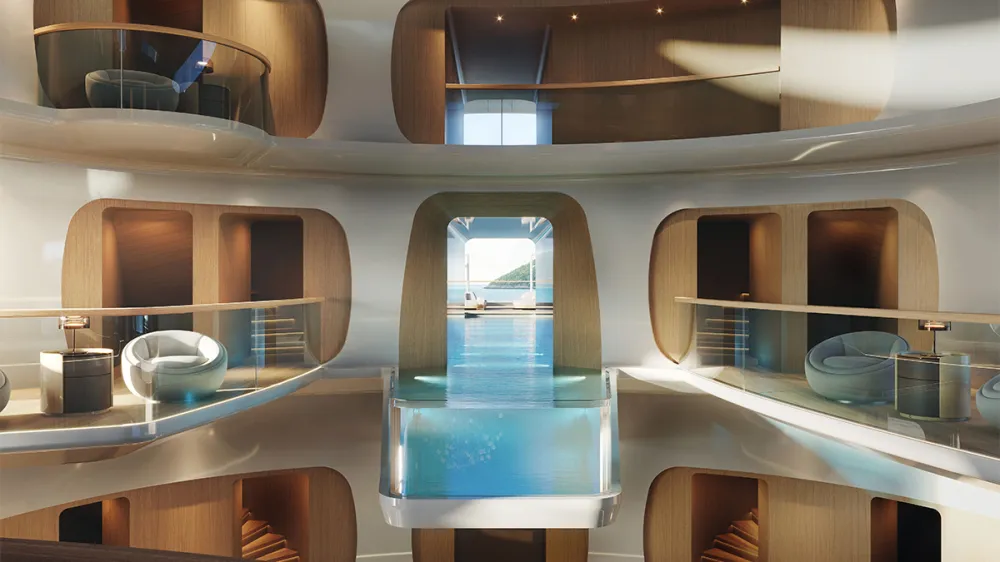
This New 46.9-Metre Superyacht Concept Blends Italian and Japanese Design
“Maai” translates the space between the two cultures into a way of living at sea, according to Studio Segno.
October 16, 2026
You may also like.
You may also like.
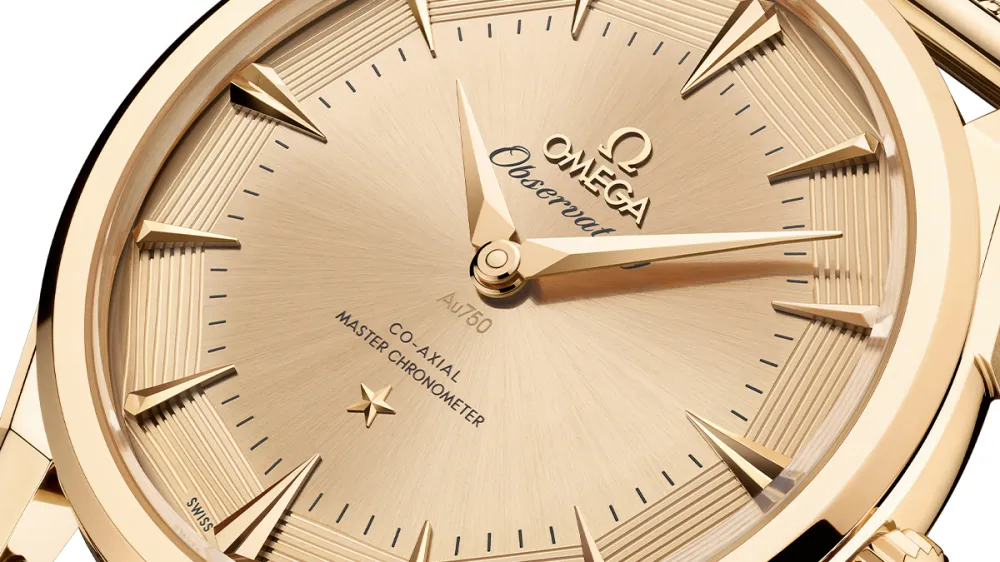
Omega Just Unveiled 9 Watches in Its New Constellation Observatory Collection
The line-up shows up a bevy of metals and colours, too, as well as two new calibres.
Omega’s latest watch is in a universe of its own.
The Swiss watchmaker just unveiled its new Constellation Observatory Collection today, the next step in its Constellation lineage and the first two-hand hour and minute timepieces to ever earn Master Chronometer certification. And if you were paying attention to any of the dazzling watches spotted at the Oscars this year, you would’ve caught a glimpse of the new line already: Sinners star Delroy Lindo rocked one of the models on the Academy Awards red carpet, giving us a pre-release preview of the collection.
Developed at Omega’s new Laboratoire de Précision (its chronometer testing lab open to all brands), the collection houses a set of nine 39.4 mm watches. The watches underwent 25 days of scrutiny there, analysed via a new acoustic testing method that recorded every sound emitted from the timepiece to track irregularities, temperature sensitivities, and more in the name of all things precision. (Details such as water resistance and power reserve are also thoroughly examined.) This meticulous process is all in the name of snagging that Master Chronometer label, meaning that the timepiece is highly accurate and surpasses the threshold for ultra-high performance. The Constellation Observatory Collection has now changed the game, though, thanks to its lack of a seconds hand.

“Until now, precision certification has required a seconds hand,” Raynald Aeschlimann, president and CEO of OMEGA, said in a press statement. “The development of a new acoustic testing methodology has made that requirement obsolete. It is this breakthrough that has enabled us to present the Constellation Observatory, the first two-hand watch to achieve Master Chronometer certification.”
In addition to notching its place in history, the collection also debuted a new pair of movements: the Calibre 8915 and the Calibre 8914, each perched on a skeletonised rotor base. The former’s Grand Luxe iteration will appear on the 950 Platinum-Gold model in the collection, which offers up that base in 18-karat Sedna Gold alongside a Constellation medallion in 18-karat white gold with an Observatory dome done in white opal enamel surrounded by stars. The second Calibre 8915, the Luxe, will find its home on the other precious-metal models in the line, either made with the brand’s 18-karat Sedna, Moonshine, or Canopus gold seen across the case, the hand-guilloché dial, and, of course, the movement itself. (Lindo chose to rock the Moonshine Gold on Moonshine Gold iteration, priced at approximately $86,000, for Sinners‘s big night at the Oscars.) As for the Calibre 8914, it can be found in the collection’s four steel models.

Each model is a callback to myriad design features on past Omega models. That two-hand dial, for one, comes from the 1948 Centenary (the brand’s first chronometer-certified automatic wristwatch), while the pie-pan dial (seen in various blue, green, and golden hues throughout the line) and that Constellation medallion caseback both appear on watches from 1952. The star adorning the space above 6 o’clock also harks back to 1950s timepieces from Omega. And to finish off the look, you can opt for alligator straps in a variety of colours, or perhaps a gold iteration to match the precious-metal models; the brick-like pattern on the 18-karat Moonshine bracelet was also inspired by Omega watches from the ’50s.
We’ll have to keep our eyes peeled for any other Constellation Observatory timepieces (or any other unreleased models from the brand) at the rest of the star-studded events headed our way this year—perhaps the Met Gala?
You may also like.
In Search of White Gold
Colorado’s barely known San Juan Mountains do a fine line in bespoke skiing experiences, luring alpine-sports cognoscenti and billionaire thrill-seekers alike.
“Though no one currently on staff is at liberty to say, billionaire actor Tom Cruise is a very average heli-snowboarder. But although no one currently on staff is at liberty to say, Amazon CEO Jeff Bezos—the world’s second richest human—makes up for Cruise’s inability with his off-piste prowess. The pair have been clients of Telluride Helitrax, a heli-skiing outfit operating in the backcountry behind Telluride Mountain Resort, in remote south-west Colorado, since 1982. My source, a former guide who prefers to remain anonymous, admits he’s entertained a host of household-name One Percenters over the years.”
“Power billionaires aren’t going to the popular resorts any more,” he reveals over a happy-hour drink at a Telluride bar. “Luxury skiing these days, it’s all about exclusivity. No one with any clout shares snow, and at every resort, no matter how fancy, you have to share the slopes. But nowhere is more exclusive than the backcountry. That’s your billionaire’s playground. And no backcountry is more exclusive than San Juan backcountry.”
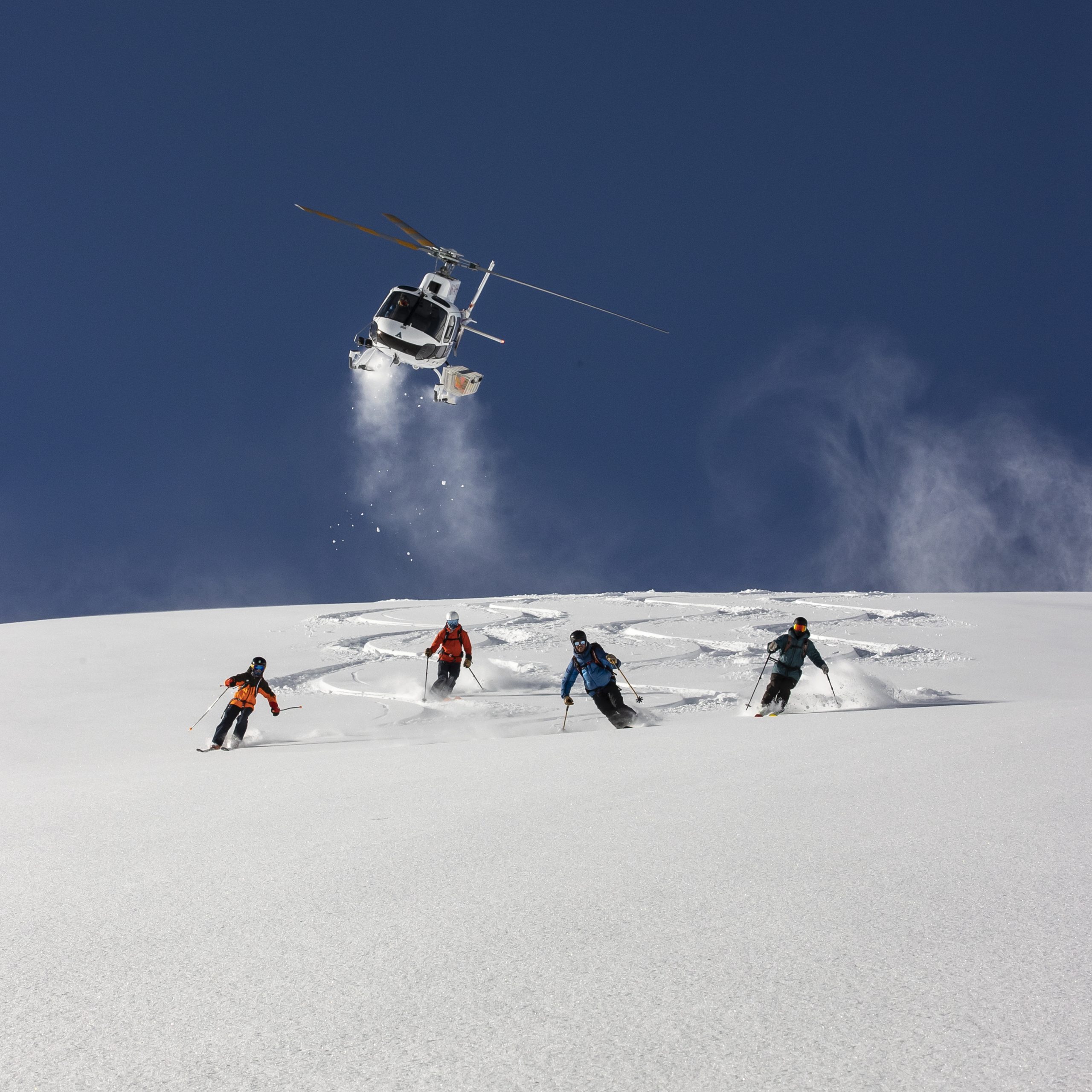
Which is precisely why I am here. Australia’s considerable brigade of free-spending, snow-crazed executives may jet off to Vail and Aspen each northern winter for thrills, but it turns out some of the world’s most choicest ski experiences have been right under their noses—only a short helicopter ride, car journey or private jet flight from said resorts.
Packed into the ultra-rugged southern end of the Rocky Mountains, the San Juans are a little chunk of the Swiss Alps in the US—young, ridiculously spectacular formations known for their steep slopes, deep powder snow and Disney-esque triangular peaks, all bathed in 300-plus days of sunshine a year. And the region is augmented by unique, and select, backcountry options that rival anything currently in the upscale ski orbit.
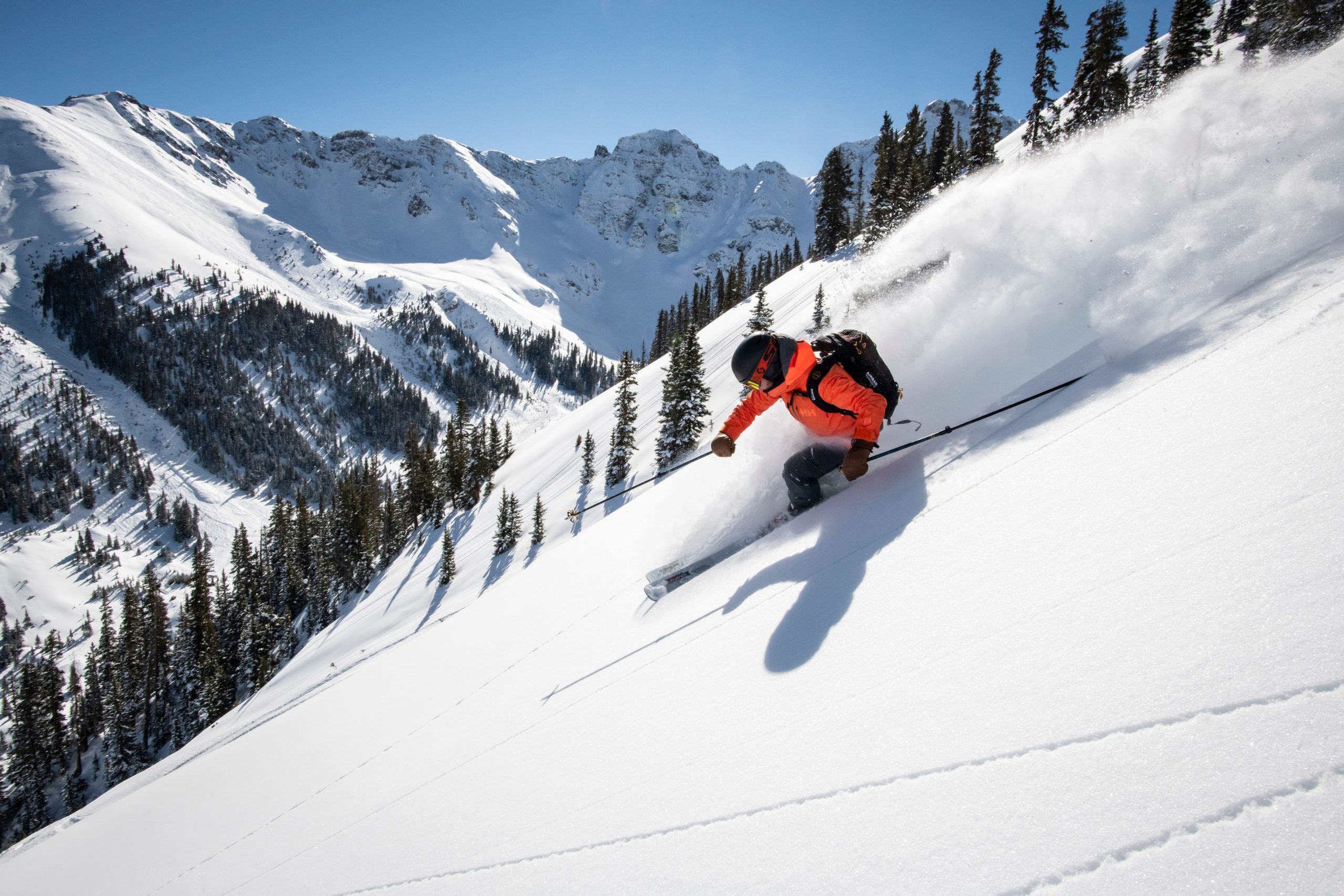
Case in point: North America’s highest skiing setting, Silverton Mountain. Located in the heart of the San Juans, outside the tiny town of Silverton, the 4,111 m peak boasts 736 hectares of chair-accessible terrain set among what is reputedly the deepest, steepest snow in the nation. It also offers a further 10,000 hectares of private terrain, serviced by heli-ski operation Heli Adventures. This is the Shangri-La of skiing: every slope connoisseur has heard of it, though most wonder if it actually exists.
We arrive via the treacherous Million Dollar Highway, where a disturbing lack of guard rails sometimes causes travellers to plummet into the valley floor (the death toll, grimly, averages eight people per year). Silverton Mountain was bought in 2023 by Heli Adventures’ young co-founders Andy Culp and Brock Strasbourger. While private punters can book the hill in its entirety, starting from around $14,000 per day, plus extra for single heli-skiing runs, the destination is also open to the public from Thursdays to Saturdays through winter.
“Silverton is a bastion for the pure ski experience,” Culp says. “All that corporate consolidation that happened when ski resorts all over the world developed condos and real estate and got super-busy… well, it never happened here. You’re able to access Alaska-like terrain from an old rickety chairlift, but you’re an hour’s drive from a pretty major airport [Montrose]. And you can access snow that’s even better than most heli-skiing straight off your lift.”
There’s no radio-frequency lift passes when I arrive. In fact, I don’t get a lift pass at all. A discarded school bus doubles as the “second chairlift”; it picks me up and returns me to a yurt which serves as a restaurant and bar. “There’s a time and a place to hang out at The Little Nell [Aspen’s legendary après-ski bar] and the world doesn’t need more of that,” Culp says. “This is the new luxury. We also run a heli-ski business out of Aspen [Aspen Heli-Skiing] but this is where we come. You can’t put a price tag on what we have here.”
I drive away from the mountain, back along the perilous Million Dollar Highway, park my car and disappear into the San Juan National Forest with guide Kaylee Walden. This white-coated outback between Silverton and Ouray, dubbed “the Switzerland of America”, offers swathes of primo backcountry skiing terrain. The ski touring here is often likened to Europe’s iconic Haute Route—an emblematic trail between Mont Blanc and the Matterhorn.
The operator Mountain Trip offers a Colorado version of that feted circuit, on a multi-day traverse between secluded huts. All in all, there’s nearly 8,000 km² of national forest and 2,500 hectares of wilderness to explore, frequented only by the occasional intrepid enthusiast.
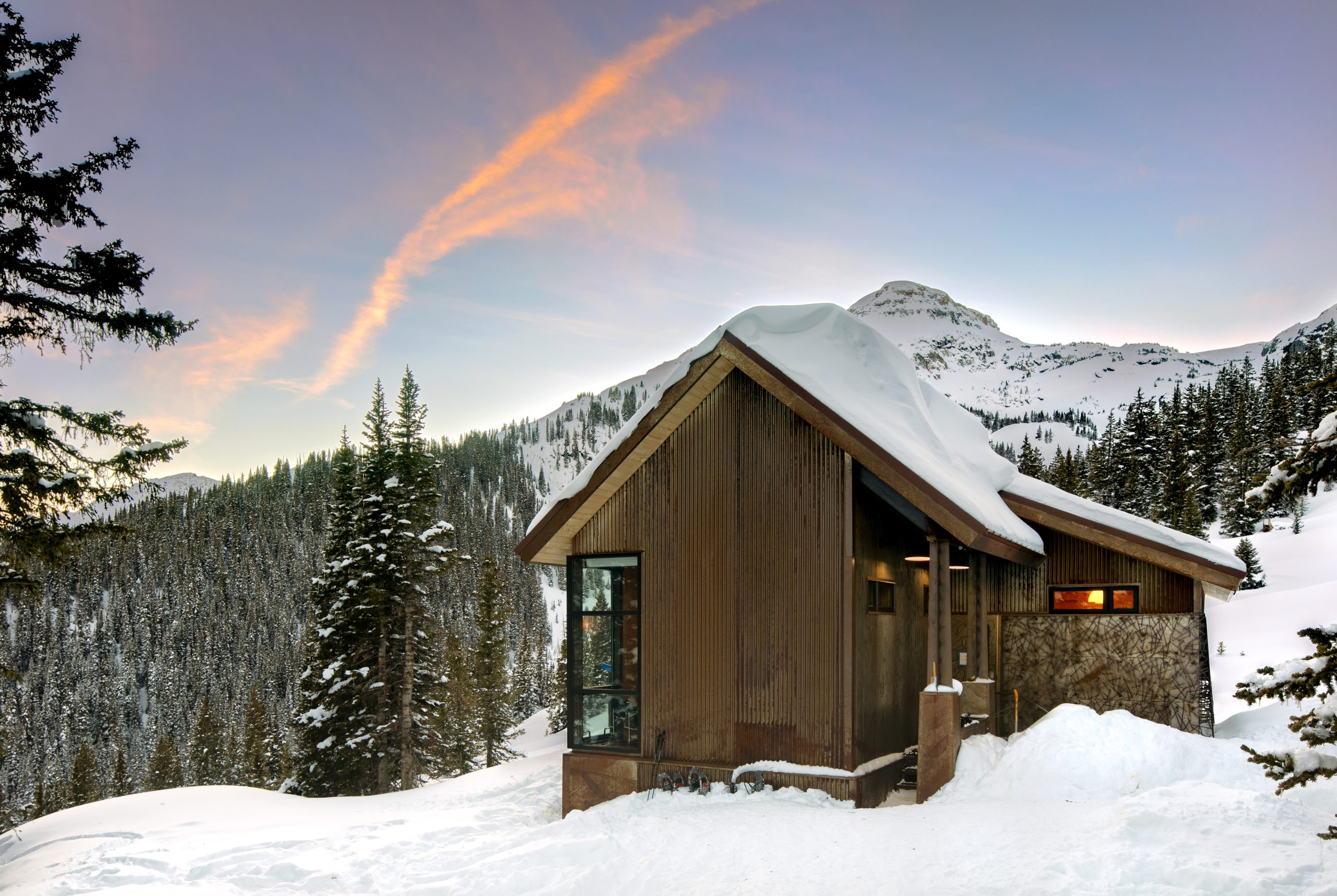
A wood-burning sauna is being prepared as I arrive at Thelma Hut, 4,500 m above sea level. Traditionally, US Forest Service huts were humble affairs, with rudimentary bunks, self-service kitchens, and food supplies brought in by skiers. This evening, however, a chef is preparing local bison across from an open fireplace as the sun sets through a floor-to-ceiling window against a horizon of white mountains. As he works, I walk out into the snow to study the twilight sky; beaming planets shine down on me, necklaces of tiny stars sparkle.
Back down to earth, upon my return to “civilisation”, we take a two-hour car ride to Telluride, probing through the San Juans. The small town is picture-postcard pretty, wedged at the end of a box canyon surrounded by Colorado’s tallest waterfalls, and hosts the highest concentration of 4,000-m-plus peaks in the state. Most of its buildings are on the National Register of Historic Places, including a bank that was robbed in 1889 by the outlaw Butch Cassidy.
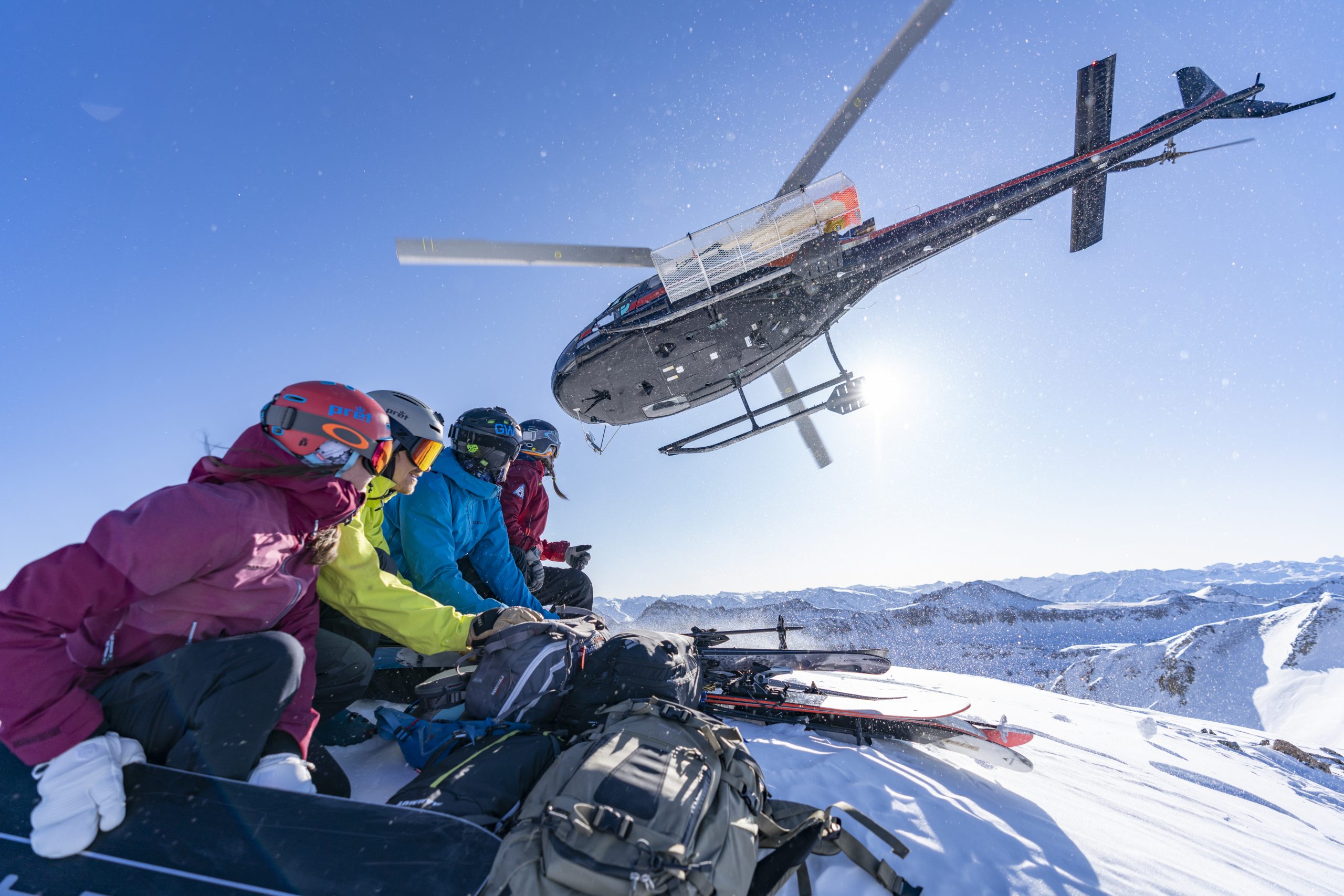
While the locale offers everything from luxurious on-mountain dining options to 7-km-long runs, it’s the heli-ski enterprise that’s lured me. Telluride Helitrax holds sole rights to over 500 km² of completely deserted ski terrain, a few minutes’ flying time from town. The company runs a range of Eurocopters which guests can charter into Colorado’s best alpine basins, cirques and couloirs. “The range mightn’t be as expansive as Alaska,” says Telluride Helitrax program director Joseph Shults. “But the views, the terrain, the snow depth and quality is as good.”
I’m staying in a privately owned three-bedroom penthouse apartment, where a helicopter takes off each morning for convenience (when I’m done carving clouds, I move a kilometre up the mountain to the seven-bedroom, three-storey mountain retreat Hood Park Haven, valued at around $42 million). Telluride Helitrax uses an abundance of drop-off locations, all above the tree line, meaning everyone from intermediates to experts can be catered for.
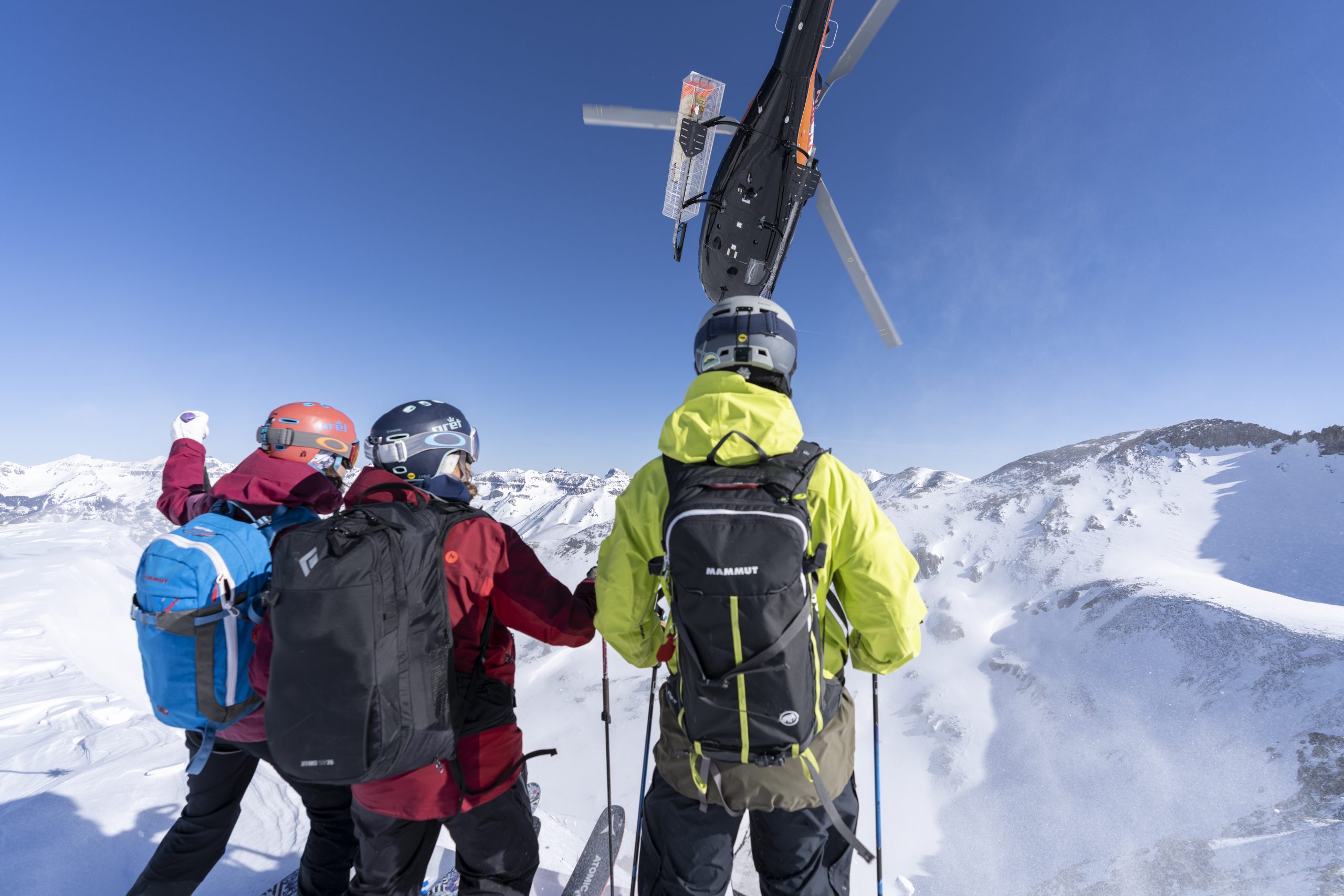
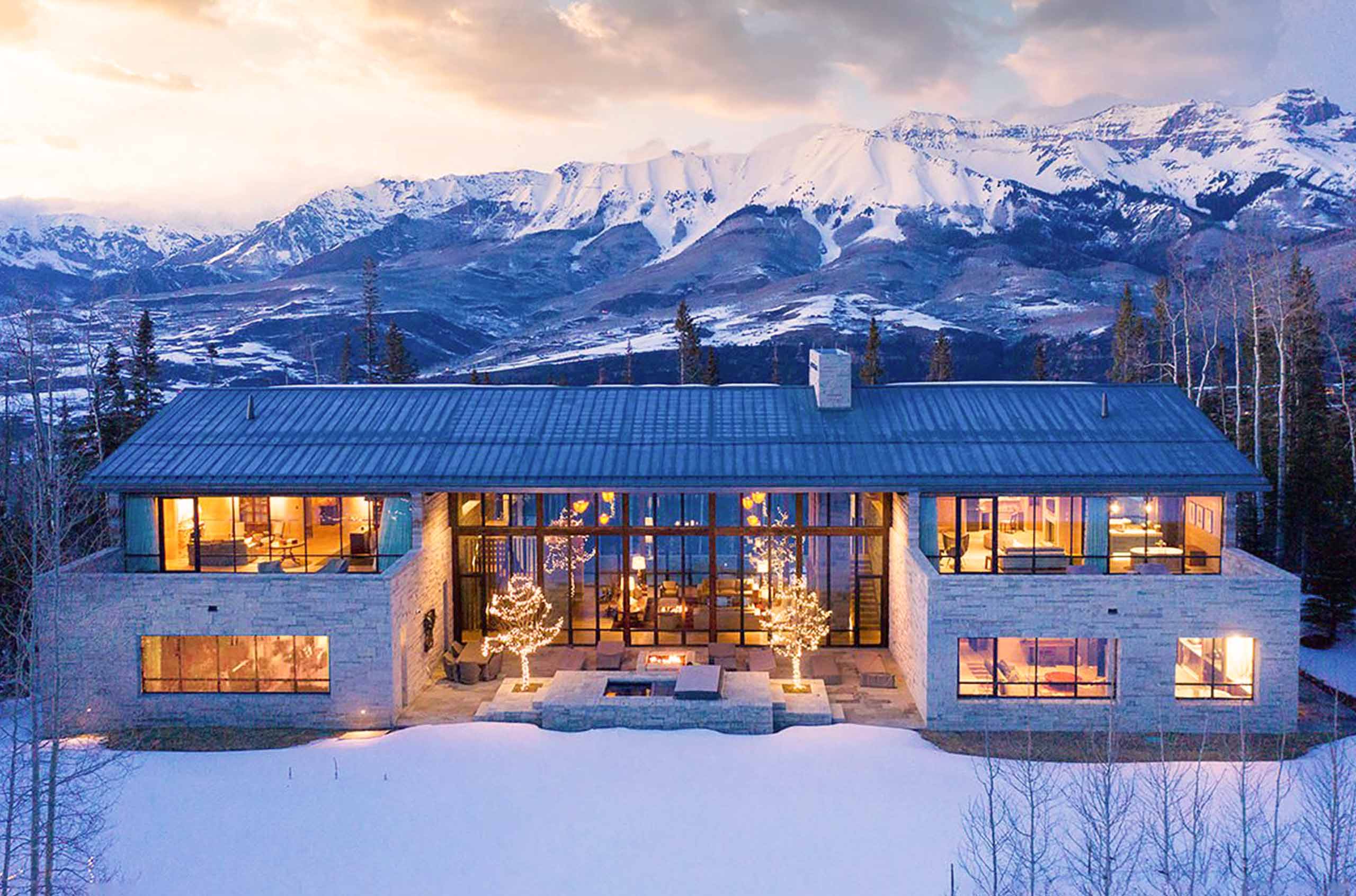
During my three-day odyssey, I don’t cross a single other ski track, but it’s the peace that is most startling. In this pocket of montane paradise, there is, literally, not a single sound—a stark contrast to the whirling fury of the chopper that transports me. My experienced guide Bill Allen won’t reveal who’s come before Robb Report. “You’d know their names,” he says, grinning.
And so the San Juans remain a secret to all but a fortunate few. Of all the luxuries the ultra-wealthy enjoy in the skiing ecosphere, the promise of untouched snow is by far the most enviable. Here in Colorado is where the white gold truly lies.
Photography: Kane Scheidegger (heli-skiing); Patrick Coulie (hut); Courtesy of Colorado Tourism Office (Hood Park Haven).
This article appears in the Autumn issue 2026 of Robb Report Australia New-Zealand. Click here to subscribe.
You may also like.
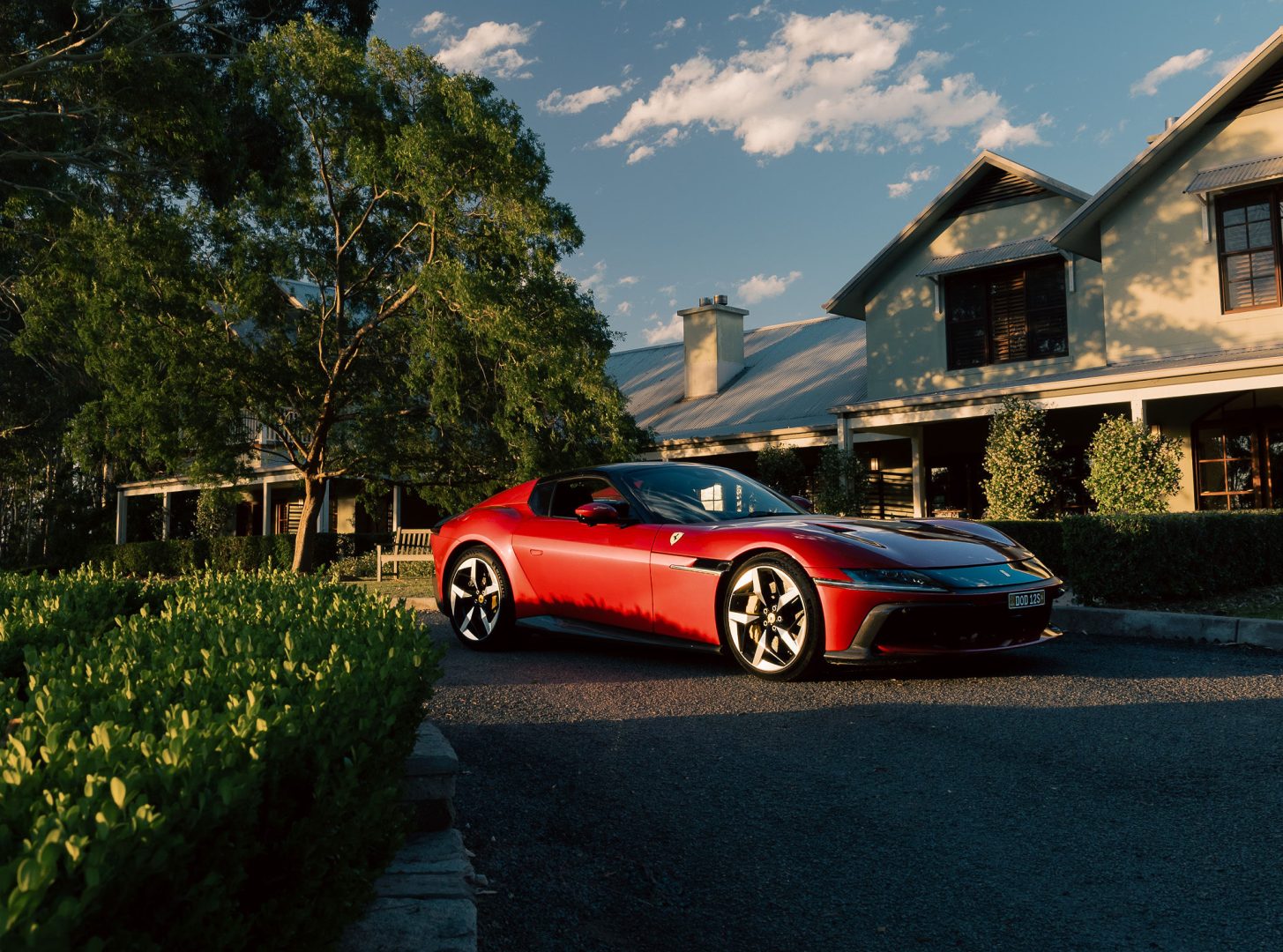
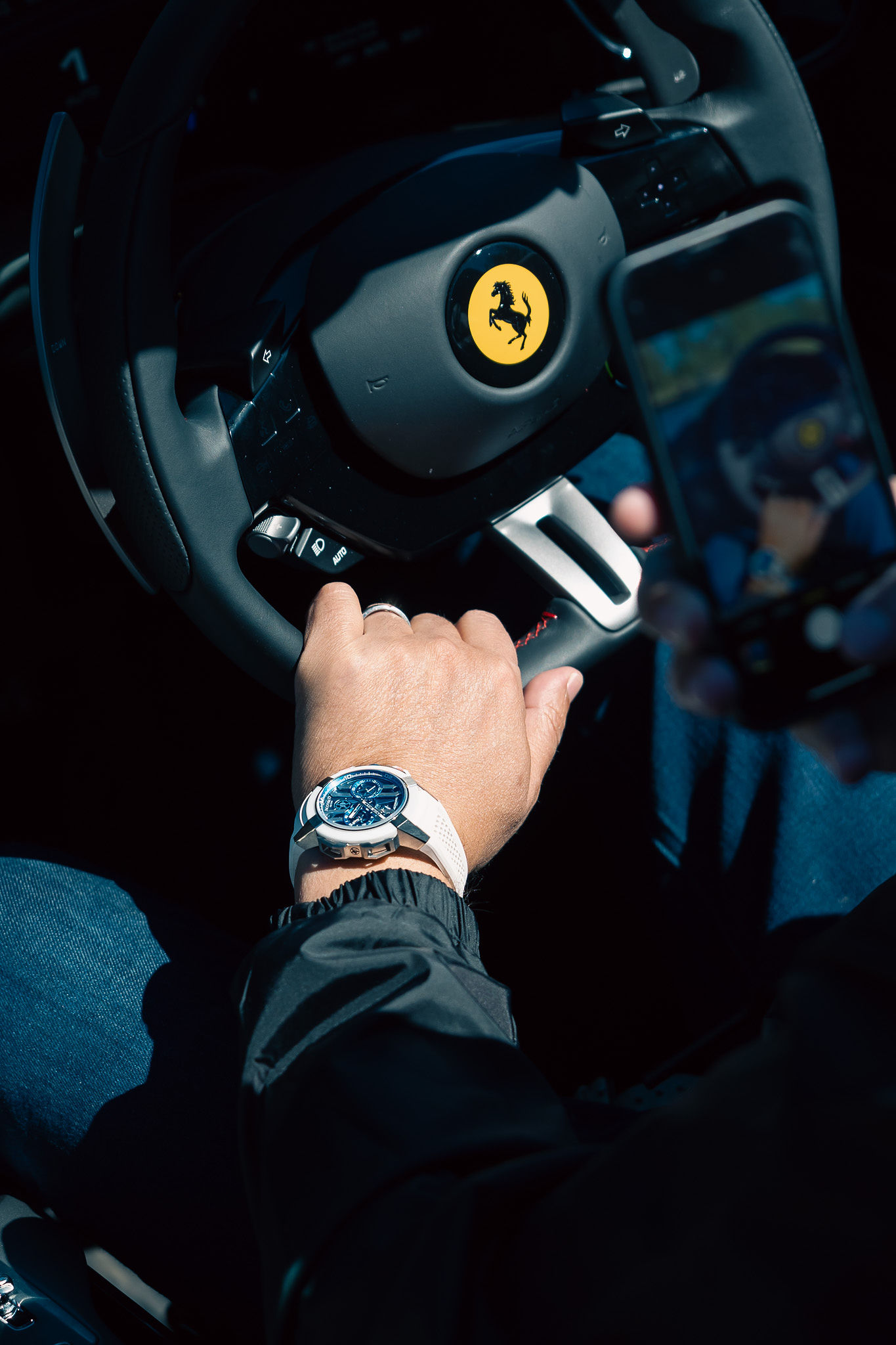
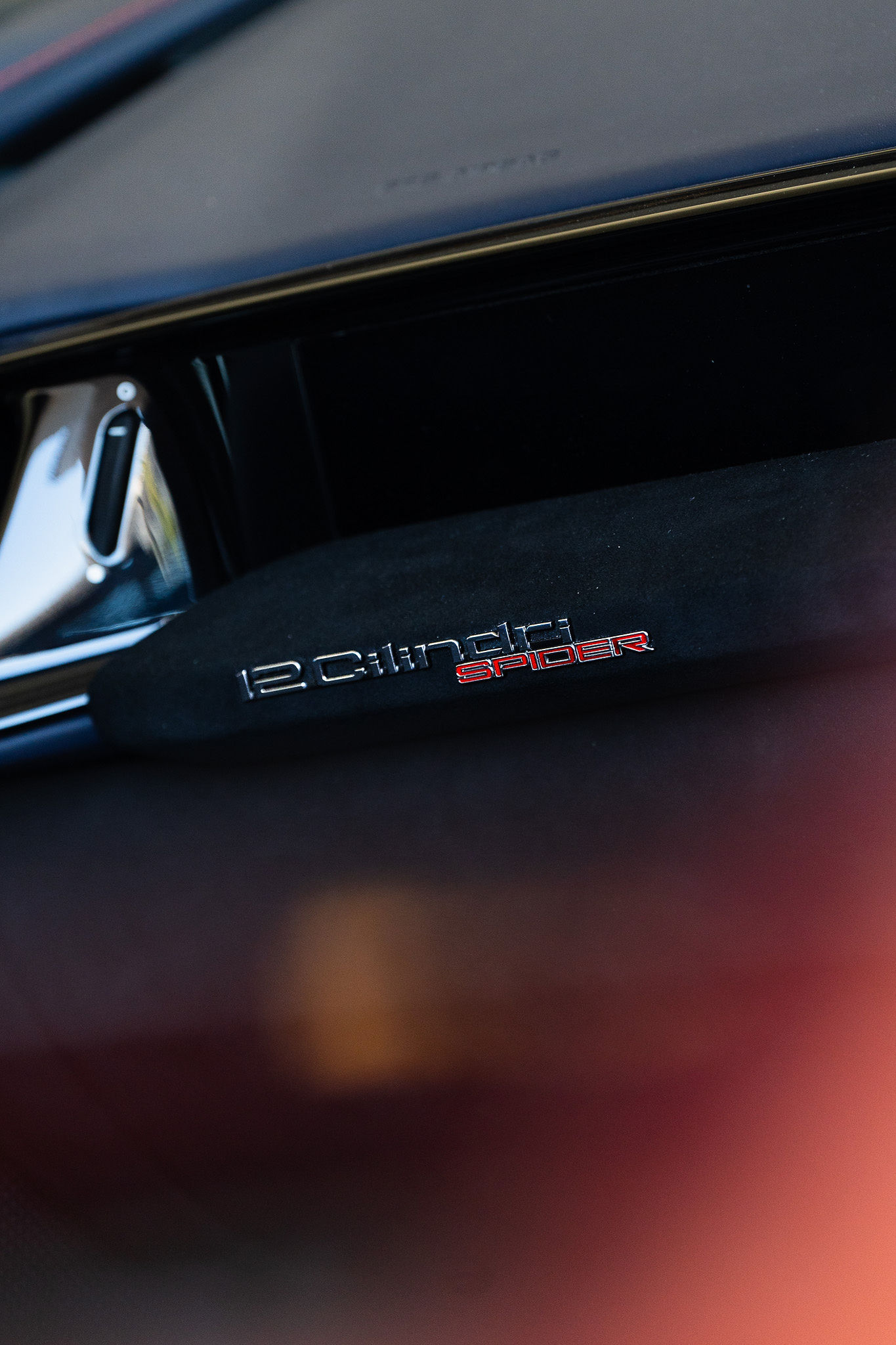
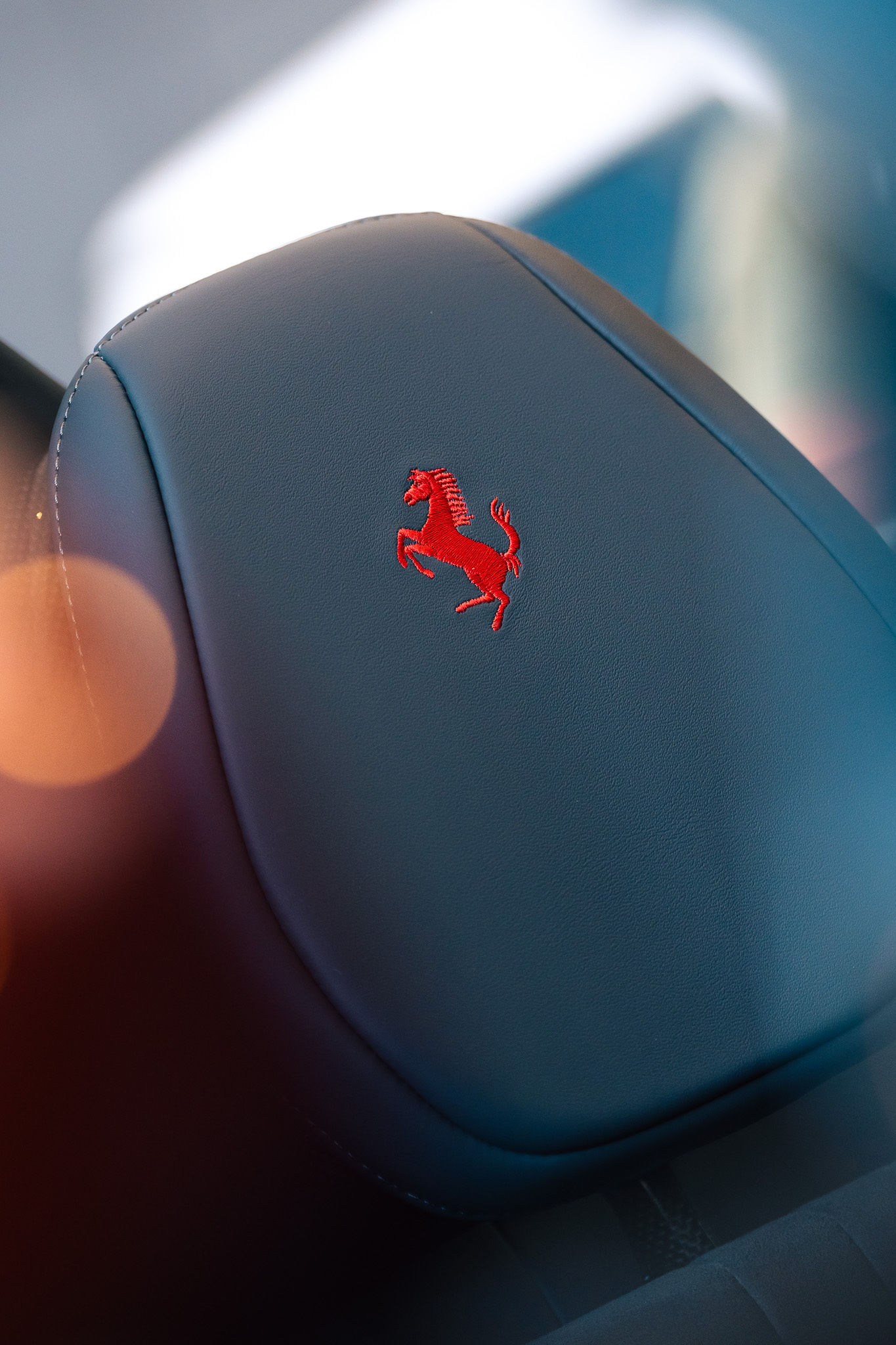
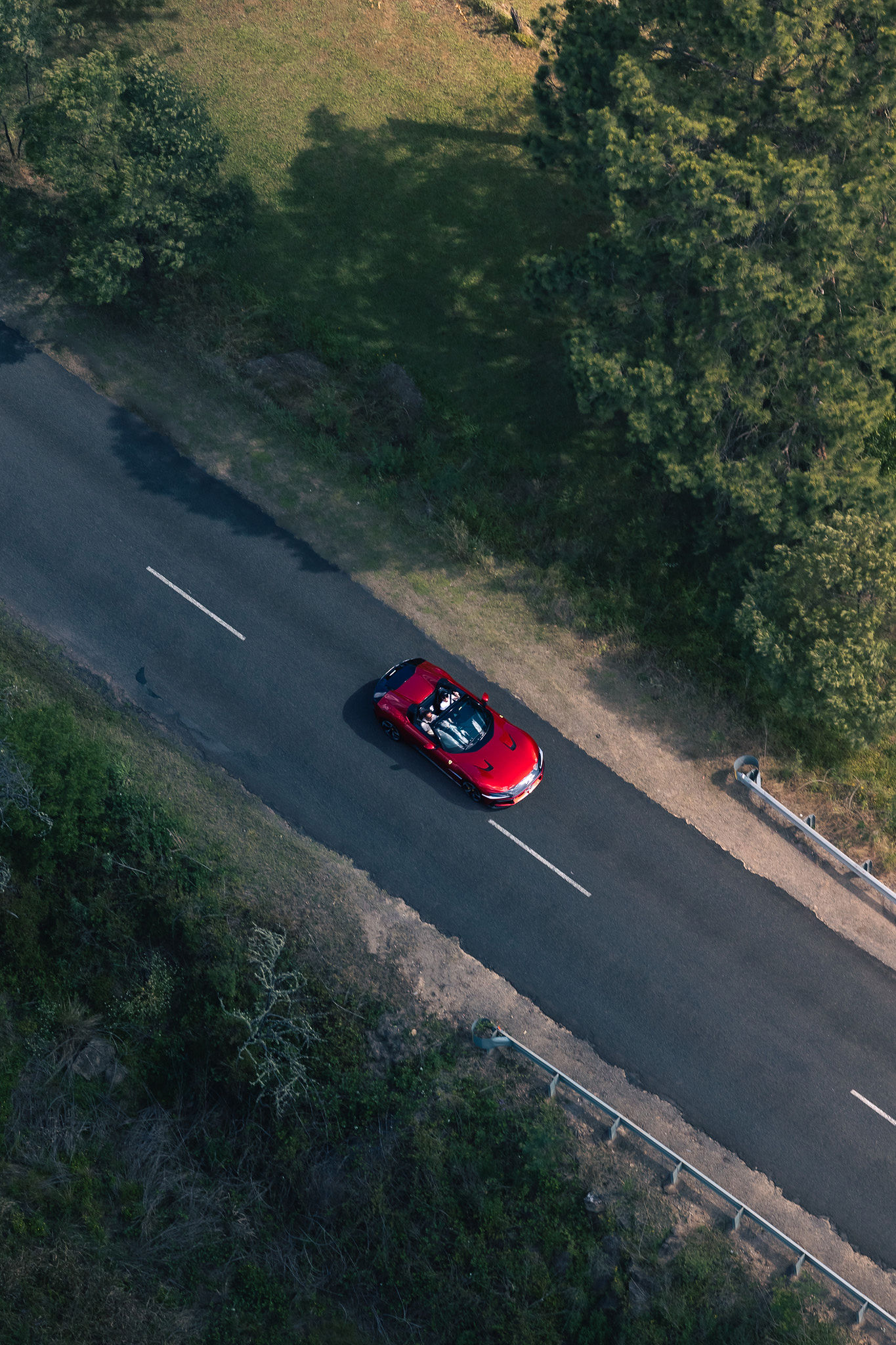
Best Combustion Supercar: Ferrari 12Cilindri Spider
A modern classic in the making, combining naturally aspirated power with elegant restraint to deliver performance that feels as refined as it is visceral.
In a year when carmakers of all persuasions sheepishly extended hyperbolic electric targets, it’s fitting that the monastic puritans of Maranello—who, lest we forget, won’t finally yield to the sin of battery power until October with the Elettrica—opted to make combustion their major power play.
As an uncertain future of AI omnipresence barrels towards us, the 12Cilindri—an analogue, open-topped tribute to Ferrari’s late-’60s/early-’70s grand tourer, the Daytona—represents a defiant fade into the past, a pause for breath, a fleeting return to The Good Times when nascent technology provoked excitement rather than existential dread.
Guiding this automotive nostalgia trip is, as the nomenclature suggests, a naturally aspirated 6.5-litre V12 engine, generating an unceasing wave of power as it sears towards the 9,500 rpm redline with relative nonchalance. That’s because the 12Cilindri is not a mouth-foaming attack-dog. It scales performance heights with the refinement of the finest Italian works of art; its “Bumpy Road” mode facilitates comfy al fresco GT cruising, and even the imperious powerplant is mannerly at most speeds.
For all the yesteryear romance, progressive technologies and engineering, such as a world-class 8-speed transmission, advanced electronic aids and independent four-wheel steering, are baked into the deal. The 12Cilindri’s clean, stark design somehow toggles between retro and modern; and while vaguely polarising, one can’t ignore its magnetic road presence.
In terms of aesthetics, Ferrari describes the 12Cilindri as being “ready for space”; in many ways, a fantasy vehicle that transports users to another dimension is probably what the world needs right now.
The Numbers
Engine: 6.5-litre V12
Power: 610kW
Torque: 678 Nm
Transmission: 8-speed dual-clutch auto
0-100 km/h: 2.95 seconds
Top speed: 340 km/h
Price: From $886,800
You may also like.
High and Low
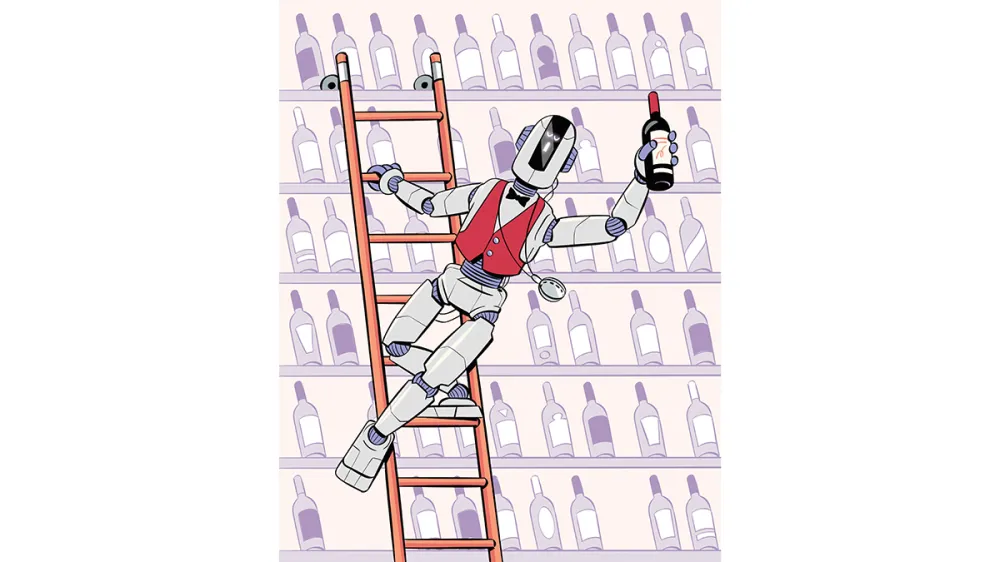
At Le Bernardin, Aldo Sohm oversees one of the most formidable cellars in fine dining. But on the beach, he’ll happily drink a cheap rosé. The world-class sommelier explains why taste—and humility—matter more than price.
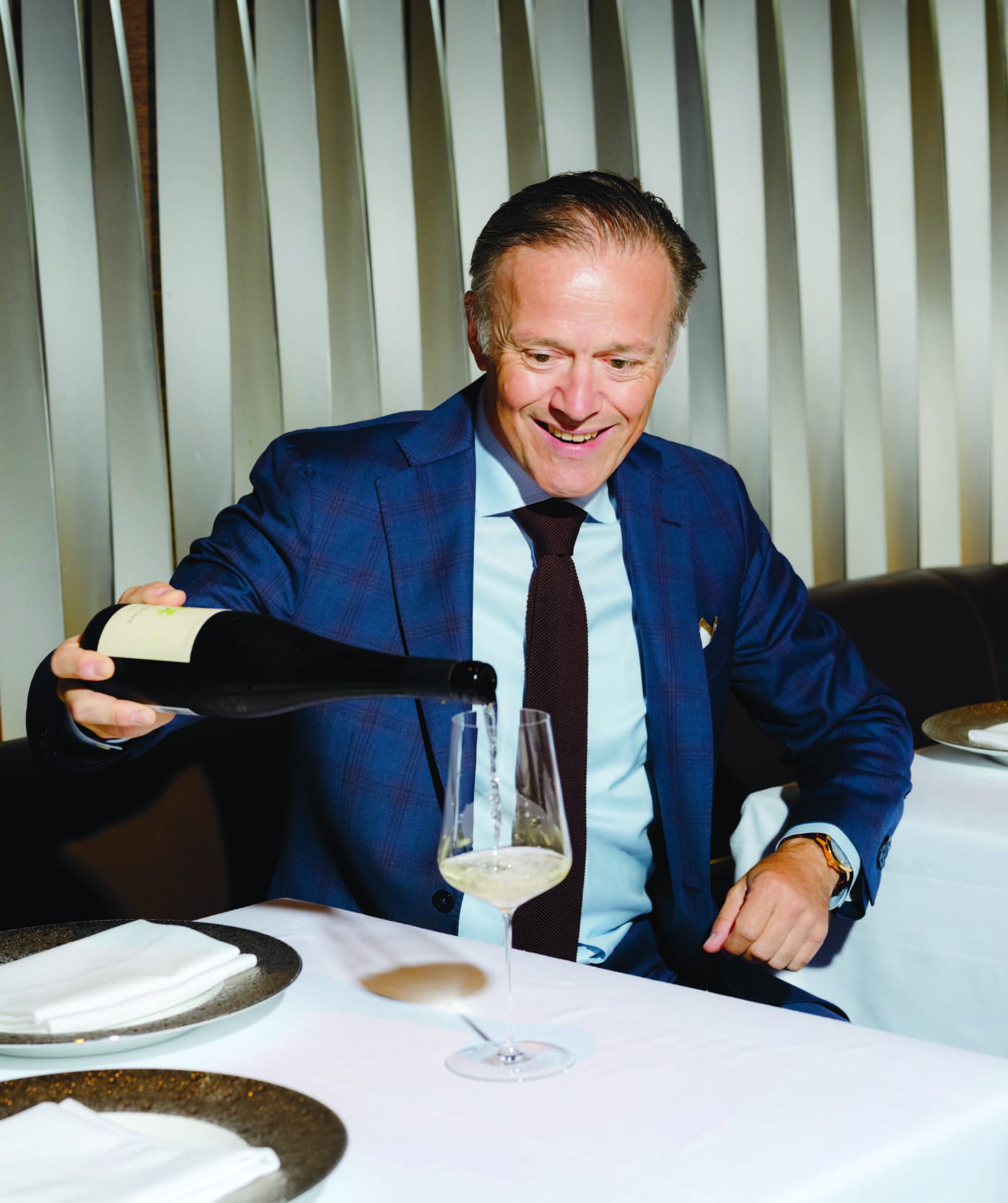
Aldo Sohm is one of the most accomplished sommeliers in the world. The 54-year-old Austrian heads up an oenophile’s empire on New York City’s West 51st Street, where he both serves as wine director at Michelin three-star Le Bernardin and leads his namesake wine bar, just across the road from the fine-dining institution. (He spends his time literally running back and forth between the two.) So it may come as a surprise that this man, who sips prized varietals all day, admits to the joys of a glass of Whispering Angel, a ubiquitous rosé that retails at stateside Target stores for US$22.99 (around $30) a bottle.
The context here is important; the aptly named Sohm is quick to clarify that he’s not about to start serving Whispering Angel as one of the pairings with chef Eric Ripert’s US$530 (around $750) eight-course tasting menu. But during a trip to the Caribbean for the Cayman Cookout food festival, Sohm’s wife requested a glass of rosé on the beach. When he went to fetch it, she specified that she wanted a cheap drop, not the fancy stuff that he likely would have grabbed. “I felt kind of gobsmacked, right?”
Sohm says as we’re sitting in the tasting room at Aldo Sohm Wine Bar. “Now, rather than just criticising, I have to admit: I got out of the water, and I tried Whispering Angel, too. It was delicious.”
Unlikely as it may be, this humility is perhaps the key to Sohm’s success. His lack of self-seriousness makes him an anomaly in the oftentimes highfalutin world of fine wine. Rather than shaming you for your preferences, Sohm will indulge your desires. Maybe, as in the case of his wife, you’re going to be right. More likely than not, you’re going to be wrong. He won’t simply tell you that, though; he’ll use his encyclopedic knowledge of wine to subtly steer you in the right direction, allowing you to come to that conclusion on your own. “You just wake up from your dream—and mistake—and realise that, ‘Oh yeah, he’s right,’” says Ripert, who has worked with Sohm for almost two decades.
Sohm intended to move to New York for only 18 months. Growing up in Innsbruck, in the Austrian Alps, he wanted to be a helicopter pilot. Like many childhood fantasies, that didn’t come to fruition, and he settled on something more practical, becoming a teacher at a hospitality school. Having overcorrected—“That was way too boring for me,” he admits—he switched to the more public-facing side of the industry, getting a job as a restaurant server. It was then, when he was about 21, that Sohm fell in love with wine. (Prior to that, he was a self-proclaimed Bacardi and coke guy.)
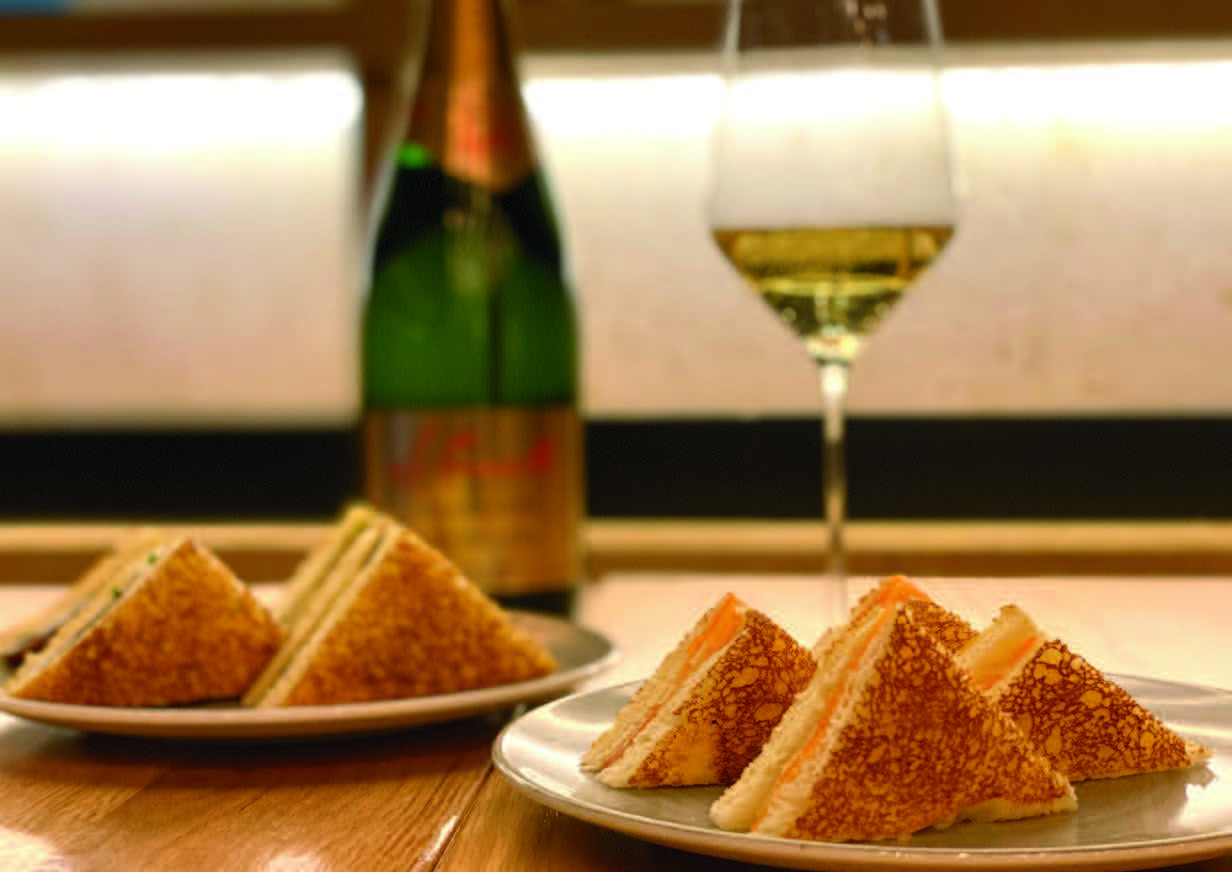
After studying wine on his own time, he began his formal sommelier education in 1998. He rose quickly through the ranks and was named the best sommelier in Austria in 2002, a title he defended the following two years and reclaimed in 2006. Amid that stretch, he sojourned to New York in 2004 with the goal of improving his English to compete in international competitions. It paid off: four years later, he won the top prize from the World Sommelier Association. But more than the accolades, Sohm had discovered a career. By then, he had joined Le Bernardin after stints at Wallsé, Café Sabarsky and Blaue Gans—all Austrian restaurants in Manhattan.
“Back then we had a very strong French sommelier community, and they controlled everything,” he says. “And it was an uproar because how come an Austrian sommelier came to one of the most French restaurants?” He proved his bona fides, and in 2013 Ripert and Maguy Le Coze, the co-owners of Le Bernardin, approached him with the idea of partnering with them in a wine bar. It was Ripert who suggested putting the connoisseur’s name on it.
Aldo Sohm Wine Bar debuted the following year, with a team that Sohm handpicked. Sarah Thomas was part of that opening crew, after meeting Sohm during a fateful dinner at Le Bernardin with her cousins. When her relatives divulged to him that she was a sommelier in Pittsburgh, he proceeded to serve a blind tasting to Thomas. “He didn’t say what I got right or wrong. He didn’t care about that,” she tells me. “He just wanted to hear me talk about wine, I guess. So I did.”
When he offered her a job at the end of the meal, she laughed. Sohm didn’t. Thomas promptly packed up and moved to New York. After she spent about nine months at the wine bar, Sohm promoted her to Le Bernardin, where she worked for another five years. When she decided to start her own business—Kalamata’s Kitchen, which aims to teach kids about other cultures through food—Sohm was one of her earliest investors. He may have found full-time teaching to be too banal, but it’s still a huge part of what he does now, identifying the next generation of stars and giving them the guidance to grow into their own—whether that takes them into the upper echelons of fine dining or beyond the white tablecloths altogether.
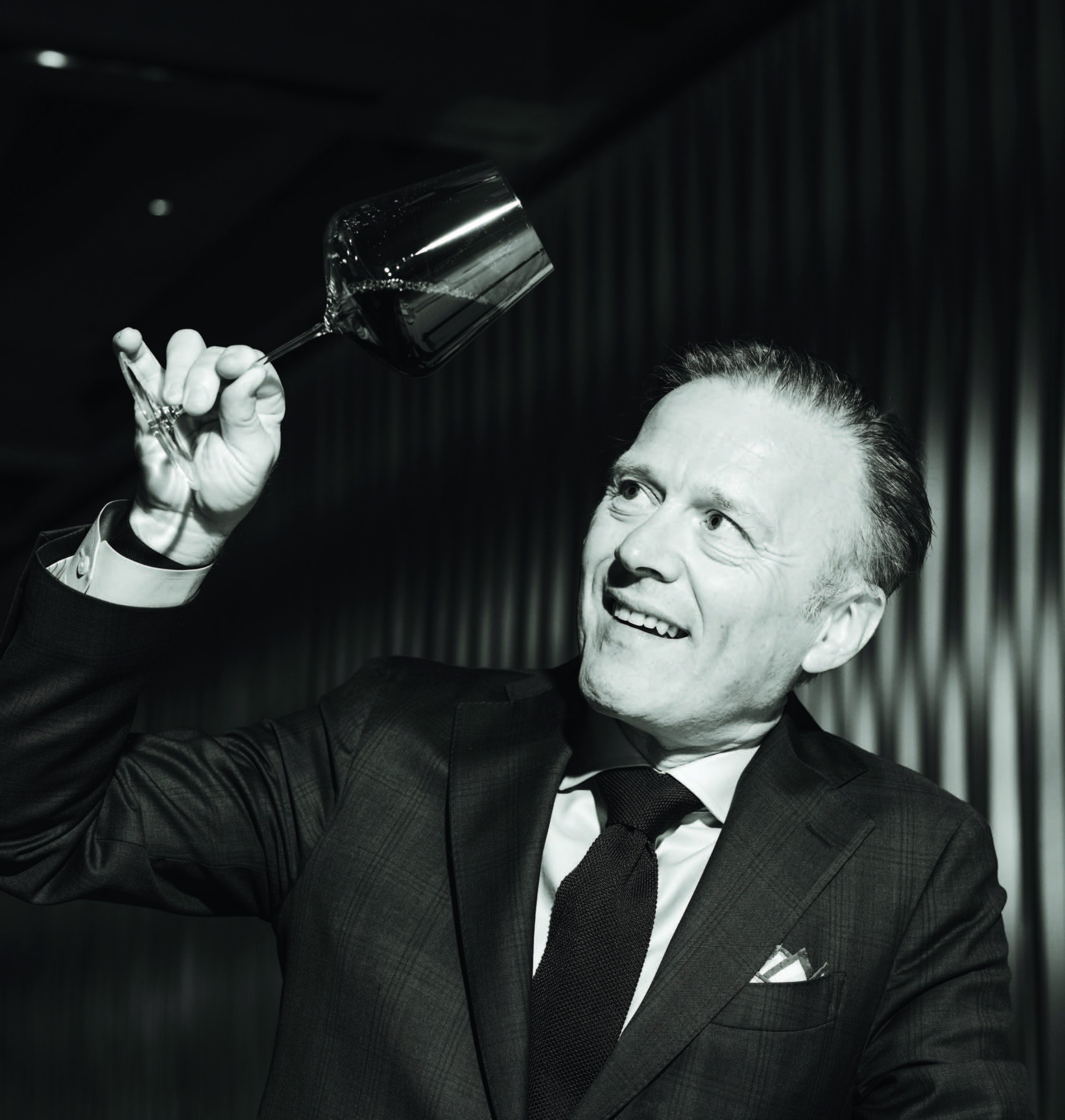
Overseeing two teams, at two very different spaces, feeds Sohm’s prodigious ambition. He’s on a mission to completely reshape the world of wine, from what’s in your glass to the glass itself to what you enjoy it with—say, Champagne with eggs. Along with his day jobs, he has partnered with the Austrian brand Zalto to create his own wineglasses. “As a sommelier, you criticise only, but you make nothing,” Sohm says. So, he also now wears the winemaker hat, producing a Grüner Veltliner under the Sohm & Kracher label, a relatively accessible quaff that’s a collaboration with his fellow countryman Gerhard Kracher. And in 2019 he added author to his résumé, releasing Wine Simple, a “totally approachable guide”, as the book’s subtitle puts it. He followed that up with Wine Simple: Perfect Pairings, to help you pick the right bottle for the right meal and the right moment.
“In wine pairings, you have three possible combinations,” Sohm says. “There’s the perfect pairing. Then sometimes you have flavours just going along… it’s like humans—they talk, they interact, but they never connect. And then there’s conflict.” It’s that first one he’s after every time.
“Sohm fell in love with wine when he was about 21. Prior to that, he was a self-proclaimed Bacardi and coke guy.”
Outside of the restaurant, the wine bar and the cellar, Sohm is an avid cyclist who owns six bikes, a number he admits is excessive—especially in New York City. Riding is what he credits with keeping him healthy, when so much of his time is spent eating and drinking—and drinking some more.
Still, despite the 18-year career at one of the world’s best restaurants, despite the top honours from his peers, despite the wine and the wineglasses and the wine books, Sohm doesn’t consider himself successful. Every day, he’s trying to figure out how he can self-correct. “I like what I do, so I go back home that night, think of things which I can improve,” he says. “I get annoyed when I make a mistake, but I improve the next day.”
His quest for perfection may never be over, but Sohm does concede that he’s happy—its own type of success. Sometimes he finds that happiness while sipping a glass of 1980 Domaine de la Romanée-Conti La Tâche, a bottle now so rare and coveted that he calls it “unattainable”. And sometimes, if to his chagrin, he finds it while drinking a mass-produced rosé on the beach.
Photography by Tori Latham
This article appears in the Autumn issue 2026 of Robb Report Australia New-Zealand. Click here to subscribe.
You may also like.
Going For Gold
Available in a range of shades and intensities, this metallic tone is still a first-place choice.
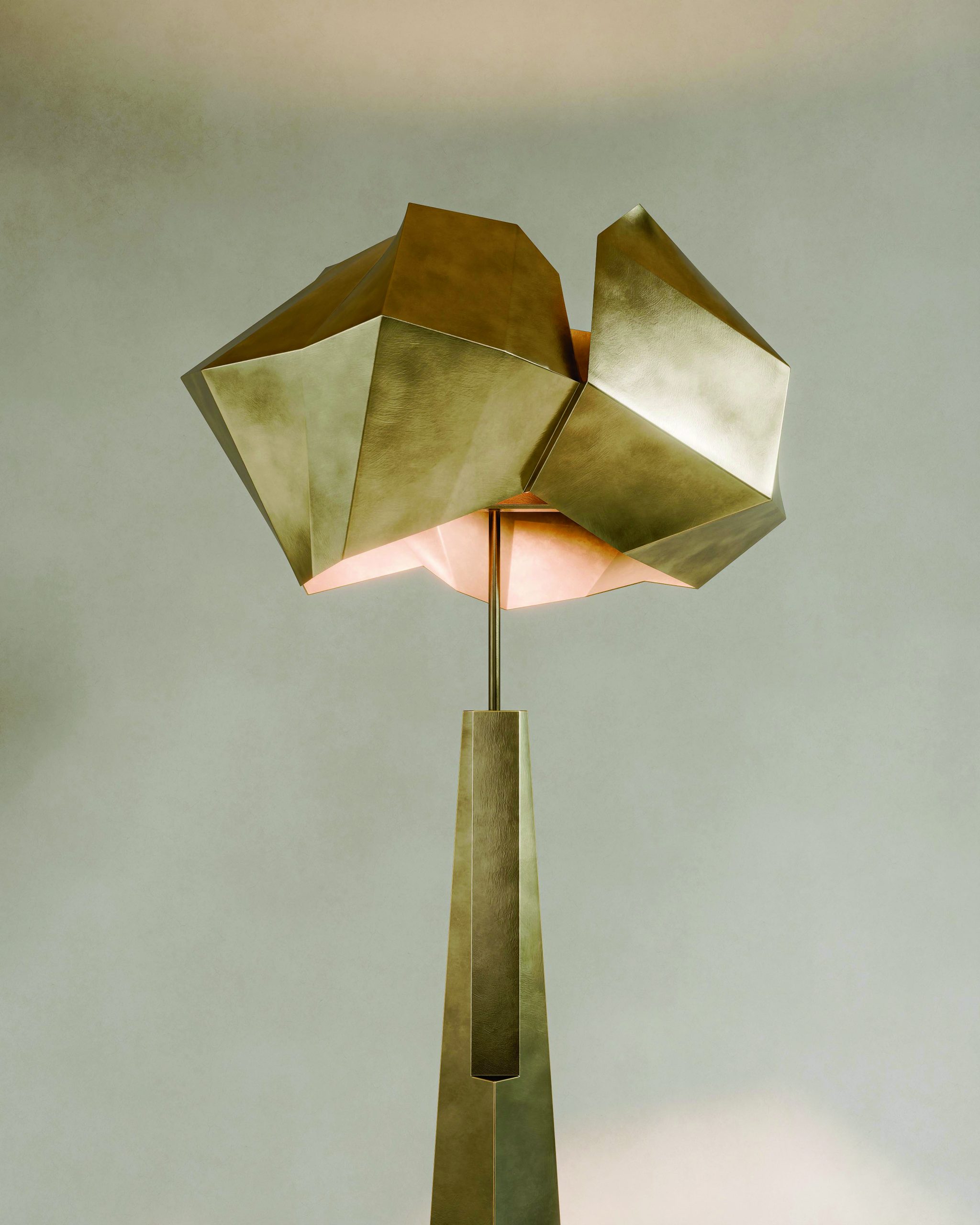
Above: Awakening 02, Sebastien Durelli Designed exclusively for StudioTwentySeven, Sebastien Durelli’s Awakening 02 floor lamp is available in a limited run of eight examples. Handcrafted in Italy from cast patinaed bronze, the striking piece takes inspiration from the naturally sculpted landscapes of Iceland, specifically the country’s glacial lagoons. The organic boulder-esque shade is rugged and elemental—like an exploded rock wrenched apart by seismic activity—while the base is sleek and symmetrical, providing visual balance in a deep bronze finish. From around $65,300
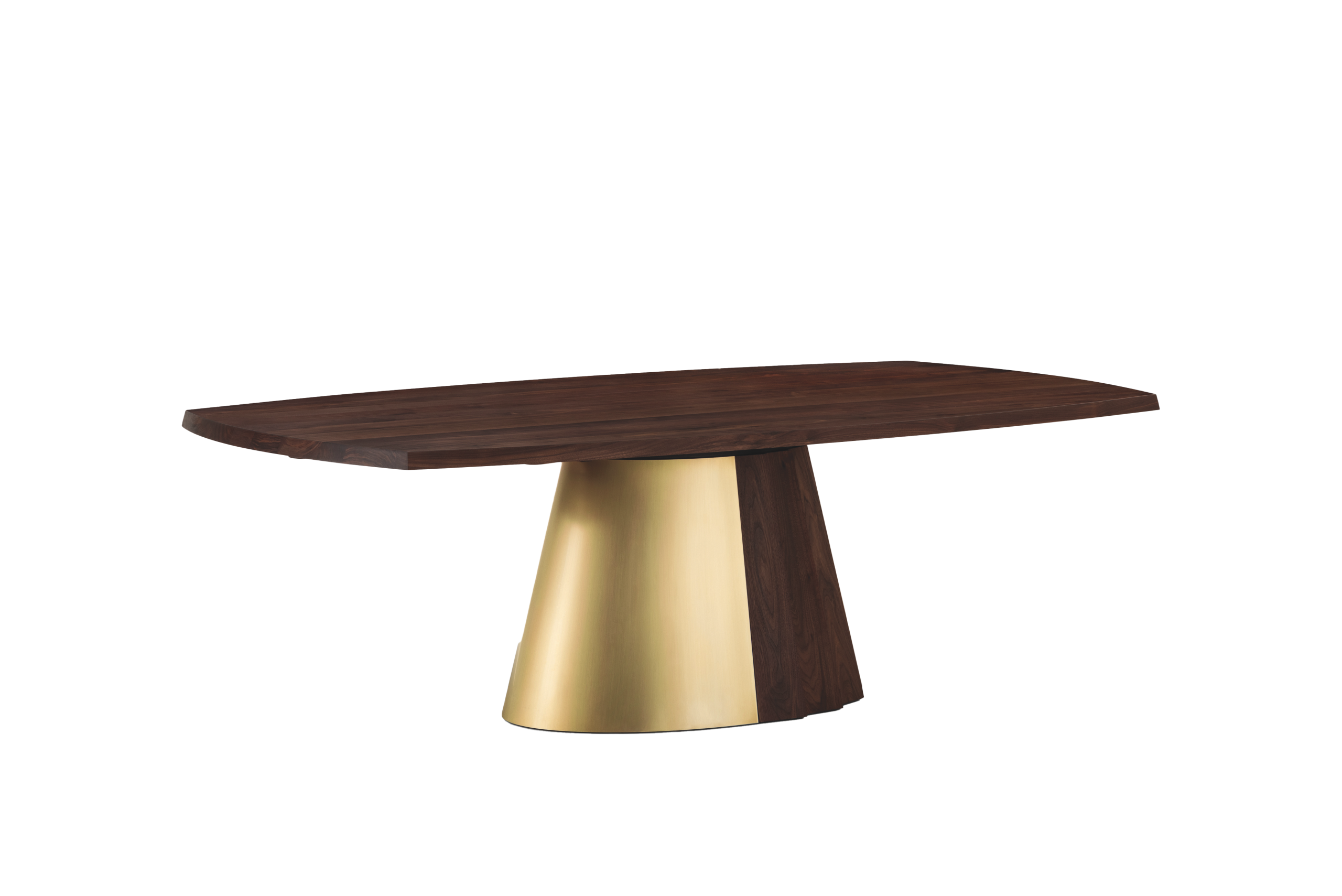
Above: Orion, De La Espada When it comes to the Orion dining table, the draw is in the details. Designed by Anthony Guerrée for De La Espada, this piece features a central base crafted from a series of overlapping wood slats—a textured moment that creates visual equilibrium with its smooth, curved-brass counterpart. A bona fide visual anchor, the Orion can be paired with thin-framed chairs for a sneak-peek view or heftier seats that provide a surprising reveal when guests sit down to dinner. From around $20,870
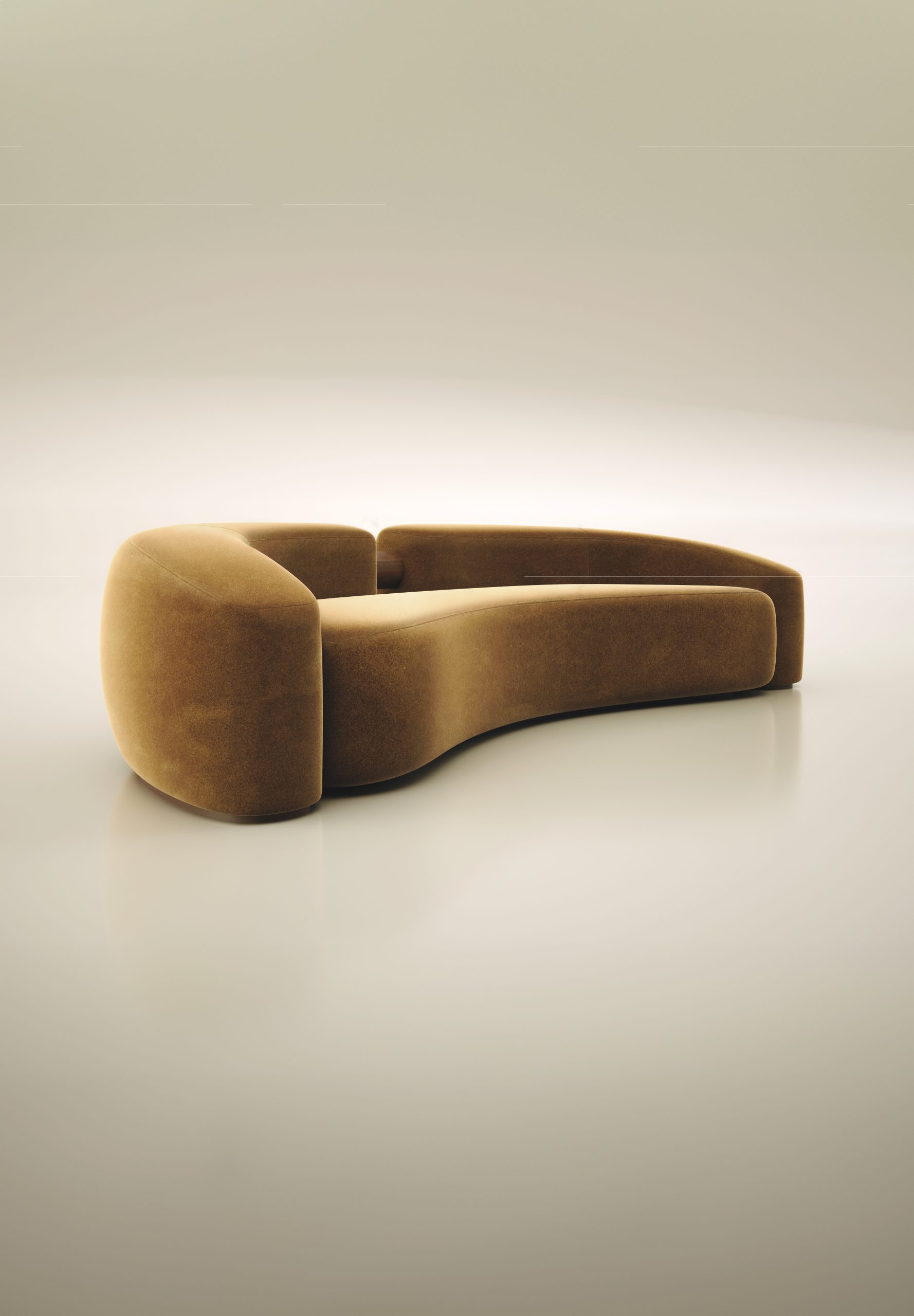
Above: LS35A, Luca Stefano This showstopper by Milan-based designer Luca Stefano is all curves. A sexy lounge sofa, seen here upholstered in Pierre Frey mohair with canaletto walnut details, the LS35A is available for customisation, but we think that this mossy-gold hue is incredibly chic, evoking the muted desert tones popular during the ’60s and ’70s. Around $66,280, as shown

Above: Jazz, Tom Bensari Part of master woodworker Tom Bensari’s Manhattan collection for StudioTwentySeven, the Jazz bookcase is an ode to the designer’s love of music. With edges that curve like brass instruments and shelves that skip like riffs, this unit is meticulously hand-built in Poland from oak and olive wood, with custom veneered interiors according to the client’s preference and a glowing finish that takes on a golden tint in just the right light. Around $29,320
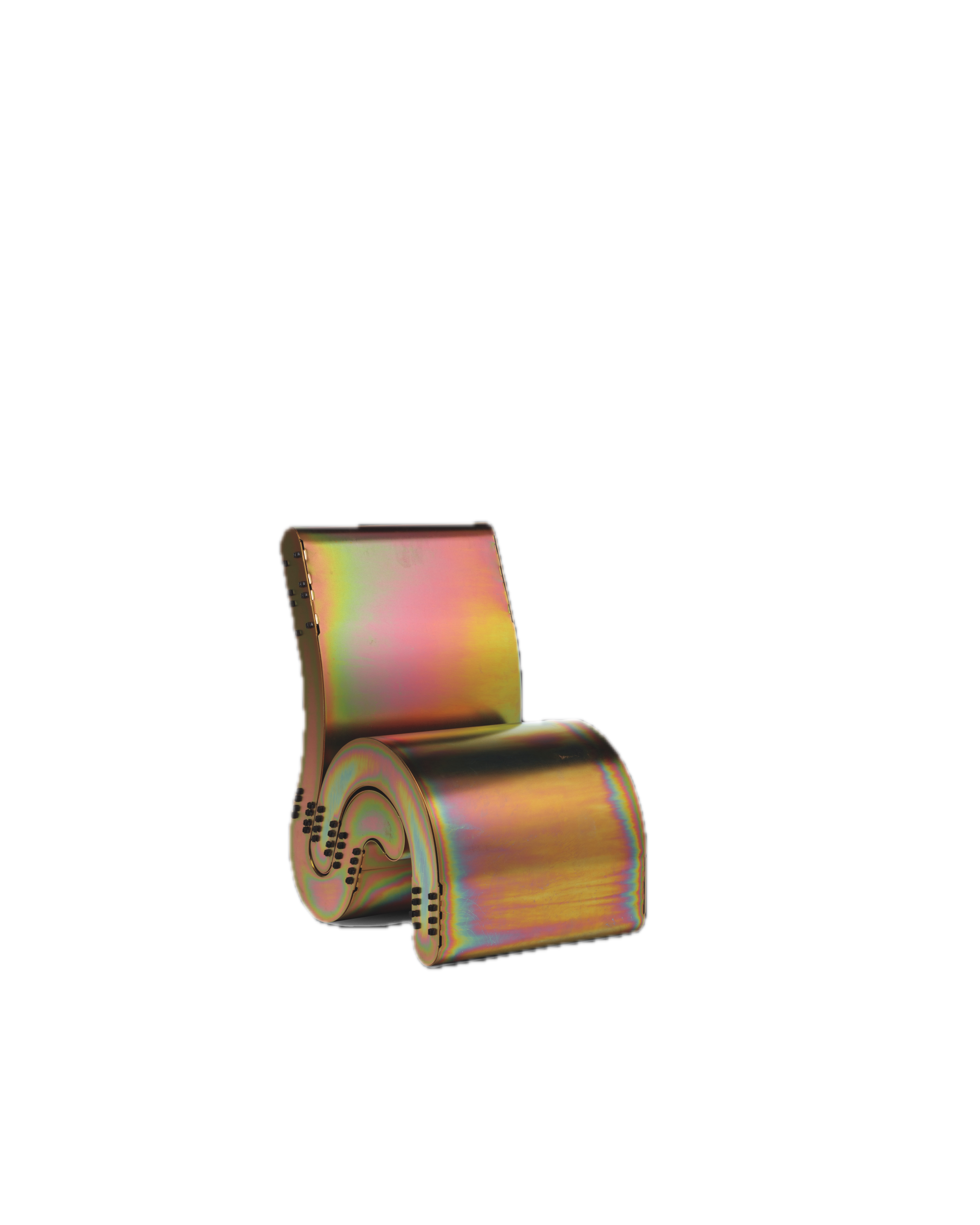
Above: Sleeper, Lucas Simões Last September at Christie’s in Los Angeles, Brazilian artist Lucas Simões unveiled his first furniture collection, Colendra. Presented in Lightness & Tension, an exhibition curated by roving gallerist Ulysses de Santi, Simões’s work is rooted in material exploration, as seen in the Sleeper chair, a curving steel form that suggests Brazilian midcentury modernism. A unique patina—which imparts the shimmery, rainbow-esque look of an oil slick—gives the piece a contemporary, artistic feel. Around $22,440
This article appears in the Autumn issue 2026 of Robb Report Australia New-Zealand. Click here to subscribe.