Wishing you well
Our writers journey to the world’s leading health retreats and wellness clinics to test the outer limits of body optimisation, from Human Regenerator machines to blood washing.
Sha Mexico
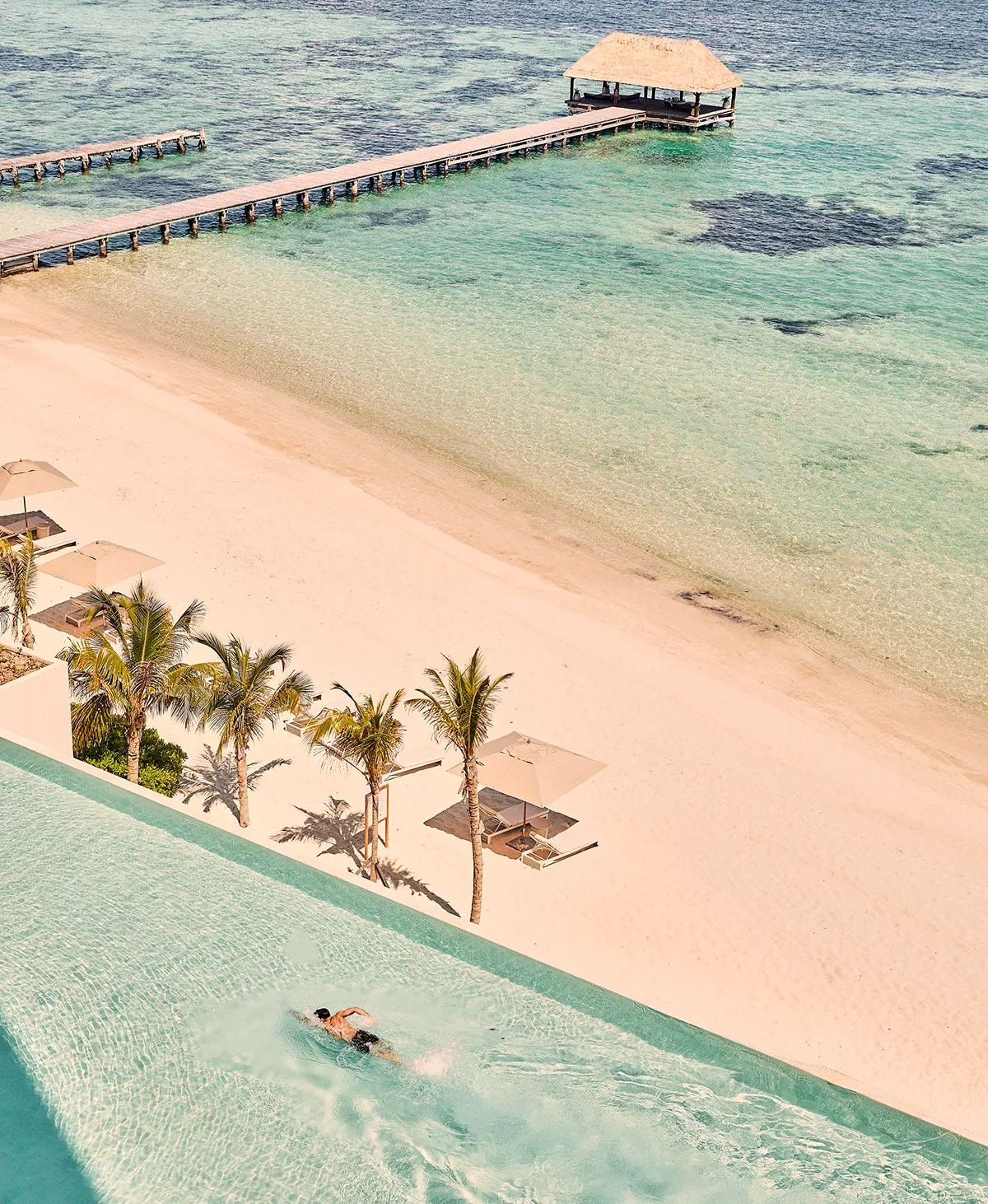
Health span and longevity are a newfound hobby of mine, so an invitation to spend just over a week at Sha Mexico, right outside Cancún, is like catnip.
The wellness clinic opened a little over two years ago as a sister to the original near Benidorm on Spain’s Costa Blanca. Arriving there feels like checking into a stylish wellness prison: a waterfront complex with tall walls and equally high standards. First-timers like me must follow a prescribed protocol, starting at four nights; I’m on the seven-night longevity track, but some stay for months. My fellow guests are largely Lycra-clad and yoga-ready or wearing the resort’s fluffy robes to wander its halls, and more than half will return for a repeat visit within 18 months, one of the staffers tells me. The rhythm of the week is reassuringly regular: breakfast, often out on the restaurant’s terrace, then a mosaic of appointments in both traditional and complementary medicines, before a quiet dinner with a book and an early night.
I’d categorise my experiences there in three ways: life-enhancing, life-prolonging, and life-limiting. The best, and unreservedly life-enhancing, include an IV ozone-therapy treatment where the friendly nurse explains simply: The saline-dissolved ozone will react with my blood in various ways to juice my energy and rejuvenate the body. I’m skeptical until a few hours later, when I hit my usual midafternoon slump—or rather, I don’t. I feel as energetic as when I first wake up, an unfamiliar perkiness that continues for days. Lying on the Human Regenerator machine for one of my several appointments feels like floating on a tingly cloud, as cold atmospheric plasma supposedly rebalances the electromagnetic impulses of my cells; it certainly zaps my stress levels, but that could just be the result of a brief but welcome daytime nap. A yoga nidra session is so soothing that my Oura ring registers it as sleep, and the Icoone lymphatic-drainage device feels like a much-needed deep-tissue massage from Doctor Octopus, albeit while I wear a skinsuit so unflattering I’m glad it is a machine, not a human, that sees me wearing it.
“A yoga nidra session is so soothing that my Oura ring registers it as sleep.”
Meals on my Biolight diet are a mixed bag. Breakfast, the best meal of the day, is always capped with a bright cup of miso soup: Clean and semi-clear, it has an irresistible umami flavor that makes me crave extra cups (though I don’t dare ask). However, I find much of the food on my program needlessly stodgy; give me a fresh Mexican avocado instead of a spelt pizza with roasted vegetables for dinner in the Yucatán, please. The hot vichyssoise? It is as strange as it is self-contradicting. At least the nutritionist coaching me on my diet is conciliatory. My appetiser at meals is a briny mix of one part apple-cider vinegar to seven parts water, intended to aid digestion. Unnerving at first, it becomes a ritual I relish.
Other elements of the week are perhaps good for me, but slightly less enjoyable. Cupping is more like bodywork from a hostile Hulk Hogan than the supposedly Zen procedure Gwyneth Paltrow promotes; at least I don’t bruise. Colonic hydrotherapy, which admittedly never promises to be glamorous, is unremarkable with a purpose that remains murky. I am intrigued to hear that stem-cell injections are available to help suppress inflammation—a 15-minute IV infusion that would supercharge my system—but I demur, still foggy on the details.
Sadly, there are several shortfalls in my short stay. Most glaring is the disparity between the top-tier clinical protocols and the logistics, which are more hapless than flawless. Take the scheduling snafu on arrival. I’d explained to my host weeks earlier that I’d be working while on-site—and indeed, I see many fellow guests glued to laptops
Lanserhof Tegernsee, Germany
As the first drops of freshly cleaned blood reenter my veins, I am tugged into a vivid out-of-body experience. It’s as if I’m floating above the room: I see myself lying on a hospital bed, an IV plugged into each arm. I’m chatting with my nurse—a modelesque former fashion publicist who saw the light and switched to a career in health care—as she adjusts my blood pressure cuff and supervises the process. Inuspheresis—colloquially known as blood washing—is the newest therapy available at Lanserhof Tegernsee, selected for its ability to filter a wide range of unwanted substances from your plasma. And I am watching myself become its latest convert. Thanks to the three minutes it has spent outside of my venous system, though, the newly washed blood feels cold. So acute is the temperature, it shocks me back into a more corporeal form of awareness—and forces me to reflect not only on this experience but on everything I’ve learned about my health over the past eight days.
I wanted to come to Lanserhof’s high-touch medical retreats because I’d heard so many fascinating things about them. In addition to the original location in Austria, opened in 1984, there are two sites in Germany and another slated to open in Marbella next year. I chose Tegernsee, about an hour’s drive from Munich, because its mountainous setting—complete with vegetable and herb gardens, grazing livestock, and a beautiful lake—is famously peaceful.
Every detail is engineered to keep your pulse low and your tranquility high. Even the views from the hotel rooms are framed to make you feel better. My suite, called the Elysium Loft, has three balconies and its own sauna.
Less comfortable but equally effective is the program’s fasting protocol, based on physician F. X. Mayr’s pioneering method developed in the early 20th century. His theory was that modern diets damage the gut and undermine the various systems connected to it. As a remedy, he prescribed his patients restrictive diets and plenty of rest. Clinicians here expanded on his work to create the Lanserhof Concept. After a detailed intake questionnaire, a meeting with a dedicated. physician, and a battery of diagnostics, your doctor will devise a bespoke roster of treatments that can incorporate everything from physical therapy to facials to sessions with a psychiatrist.
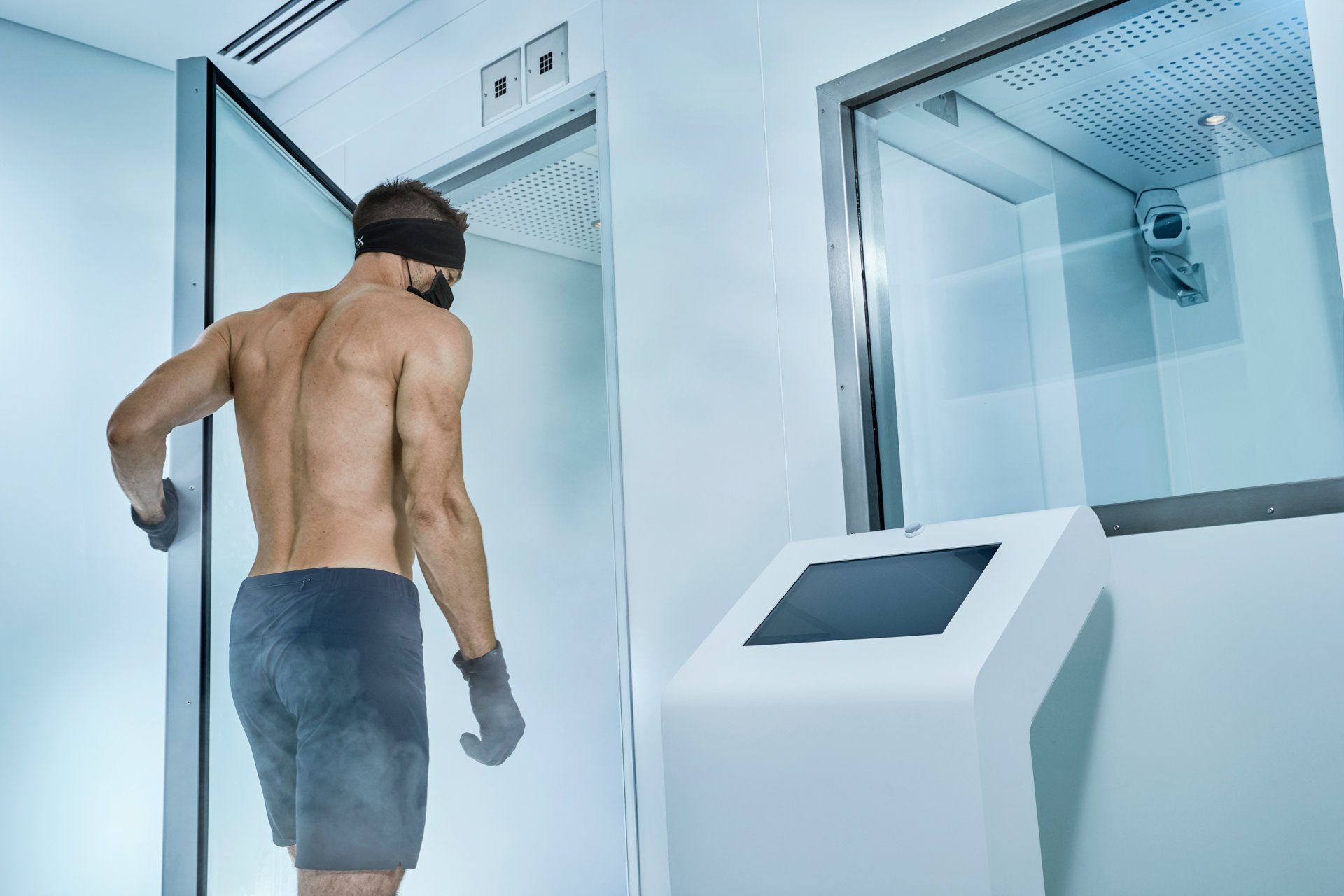
As it turns out, I’ve got a lot that needs fixing. My heart and arteries look healthy during an ultrasound exam, but other test results reveal a genetic predisposition to high cholesterol. I’m told I should avoid gluten and dairy. I wonder why my primary care physician in New York never told me any of this, and I make a note to interrogate her upon return. Over the course of the week, I sweat through four personal-training sessions; get my spine realigned by a chiropractor twice; endure three minutes of viciously frigid cryotherapy; undergo a lymphatic-drainage massage; and have my skin covered in various algae rich muds before being lowered, dim-sum style, into a steam bath. All in the name of detoxification.
The pace of this schedule might be enough to distract you from what many food lovers struggle with here: the menu. The food in the modernist dining hall is delicious, but sparse. At the lowest level, Phase 0, you get as few as 100 calories a day—mostly vegetable broth. The highest, Phase 4, is about 1,700 calories of vegetables, whole grains, and lean protein. For what it’s worth, I spend most of my time on a Phase 2 regimen—roughly 750 calories a day—and somehow never really feel hungry. Part of that is because you are encouraged to chew each mouthful of food 30 to 40 times in order to aid digestion. On day two, one of the servers tells me earnestly that a bowl of vegetable soup, consumed properly, should take about half an hour to finish.
The company also helps. Visit Lanserhof with a partner or family member, and you’ll dine together. Travel solo, and you’ll be paired with strangers. My table includes a young mother with an Ivy League law degree, a political consultant from the Carolinas, an expat Moroccan businessman, a creative from a famed Spanish fashion house, and a jewellery dealer from the American Northeast. (They tell me I missed an effervescently charming African beauty queen by just one day.)
Fortunately, if you do get your blood washed, you’re served a substantial dinner the night before and a relatively big breakfast prior to the procedure. It’s an invasive treatment, so you need the calories. Despite this, after two hours of Inuspherisis, I’m so woozy that my nurse asks the kitchen to make me a protein shake. I’m even exhausted enough to take a nap, which I never do under normal circumstances.
When I wake up and look in the mirror, I notice that my skin looks positively backlit. But the real win is the absence of mental static I experience not the next day, but the day after. After a week of rest and relaxation in the hills of southern Germany, I realise I’ve been so overstimulated for so long that being calm feels almost like being drunk. For once, the hangover never arrives. A few weeks after returning home, I get a good reason to go back. The fashionable Spaniard emails me after completing her own detox, asking about my reentry into the real world. In her sign off, she asks, “P.S. Did you pet the sheep on the farm?” I didn’t. But she was right about one thing: It was exactly what I needed.
From about $6,500 per night for the Elysium Loft suite, medical expenses not included.
Daios Cove KEPOS, Greece
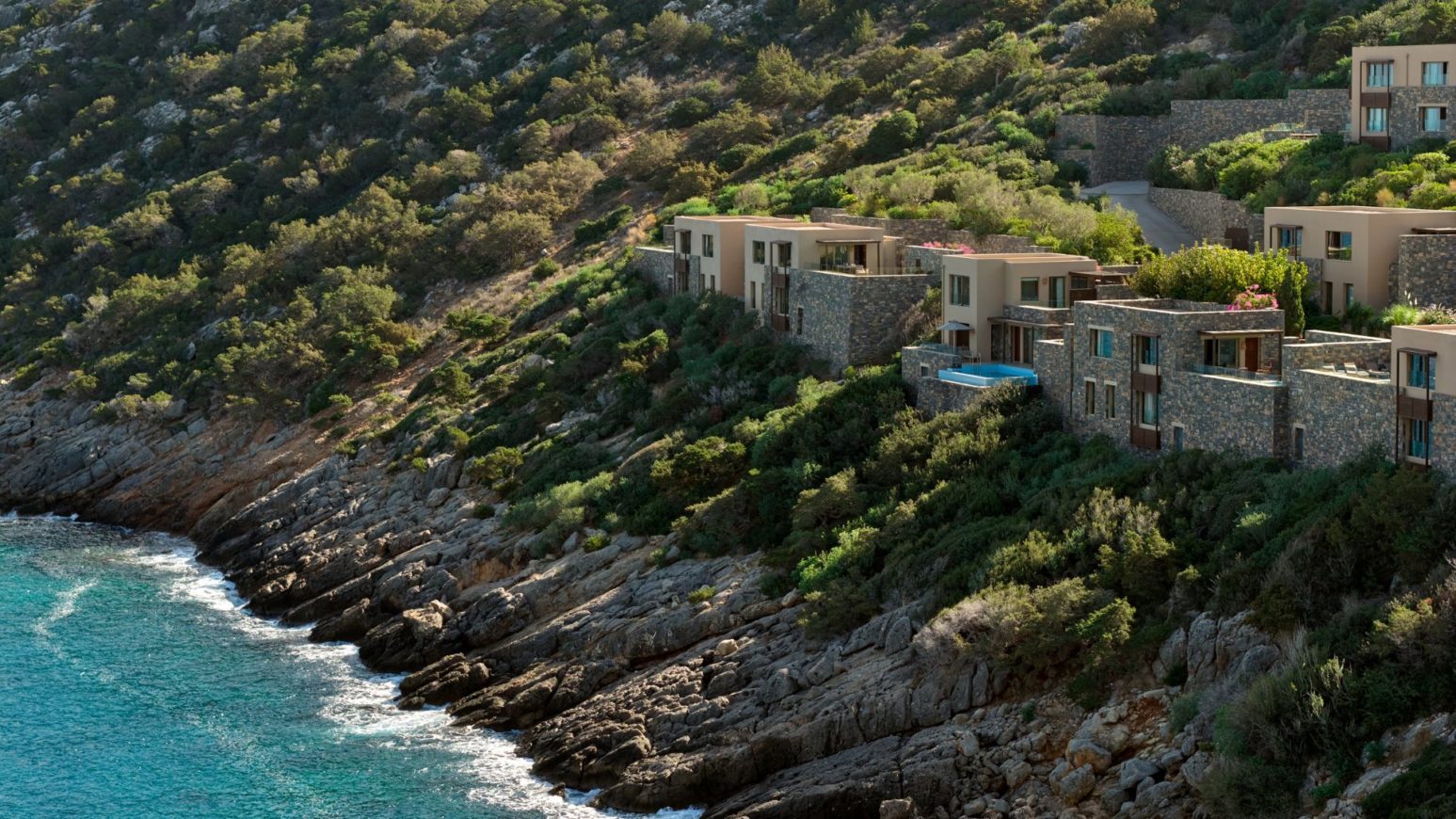
A holiday can do wonders for a tired mind. It is less likely to tell you why you are tired in the first place. Daios Cove, on Crete’s north-east coast, offers the chance to investigate, then leaves you free to return to the beach.
The resort occupies 35 hectares of hillside above a private cove at Vathi, about an hour from Heraklion. Its rooms, suites and villas descend towards the water in terraces of rust-coloured stone. There are restaurants, pools, a children’s club and a helipad. This is a substantial resort, with a serious wellness operation at its centre.
KEPOS by Goco occupies 2,500 square metres and brings together the pleasures of a spa with services more often found in a specialist clinic. Guests can move between hammam, saunas, vitality pools and treatment rooms, or book cryotherapy, red-light therapy, vitamin IV infusions and hyperbaric oxygen sessions. Pilates, aerial yoga and Gyrokinesis share the programme with more strenuous training at the BXR gym.
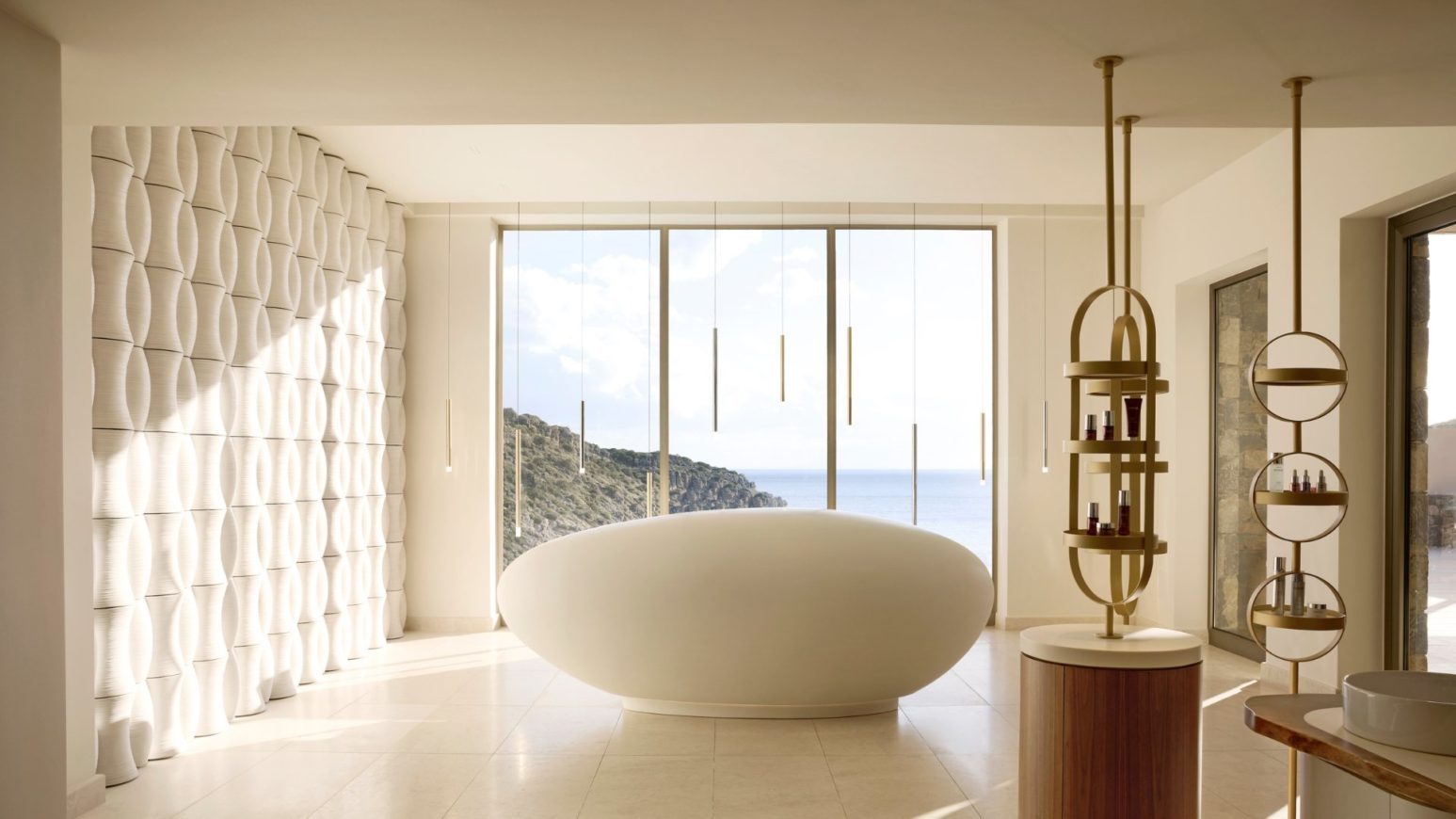
The breadth of the offering is appealing, although a long treatment menu is no substitute for knowing what you want from it. Guests seeking a more structured visit begin with a consultation. Available assessments include body-composition scanning, nutrition analysis and tests concerning biological and metabolic performance. A doctor oversees the specialised treatments, and the results can inform an individual plan.
A session with the rotating body scanner produces results within minutes. On this visit, the broader assessment also revealed elevated cholesterol and glucose levels, prompting the doctor to recommend treatments and an action plan. It is a more confronting souvenir than most people bring home from Crete, but potentially a more useful one.
The vitamin infusion feels familiar enough; the hyperbaric oxygen chamber might give a newcomer pause. Inside, music plays and you can communicate with the doctor outside. Its enclosed space feels less forbidding than it looks. What makes KEPOS a holiday proposition is how easily guests can opt in.
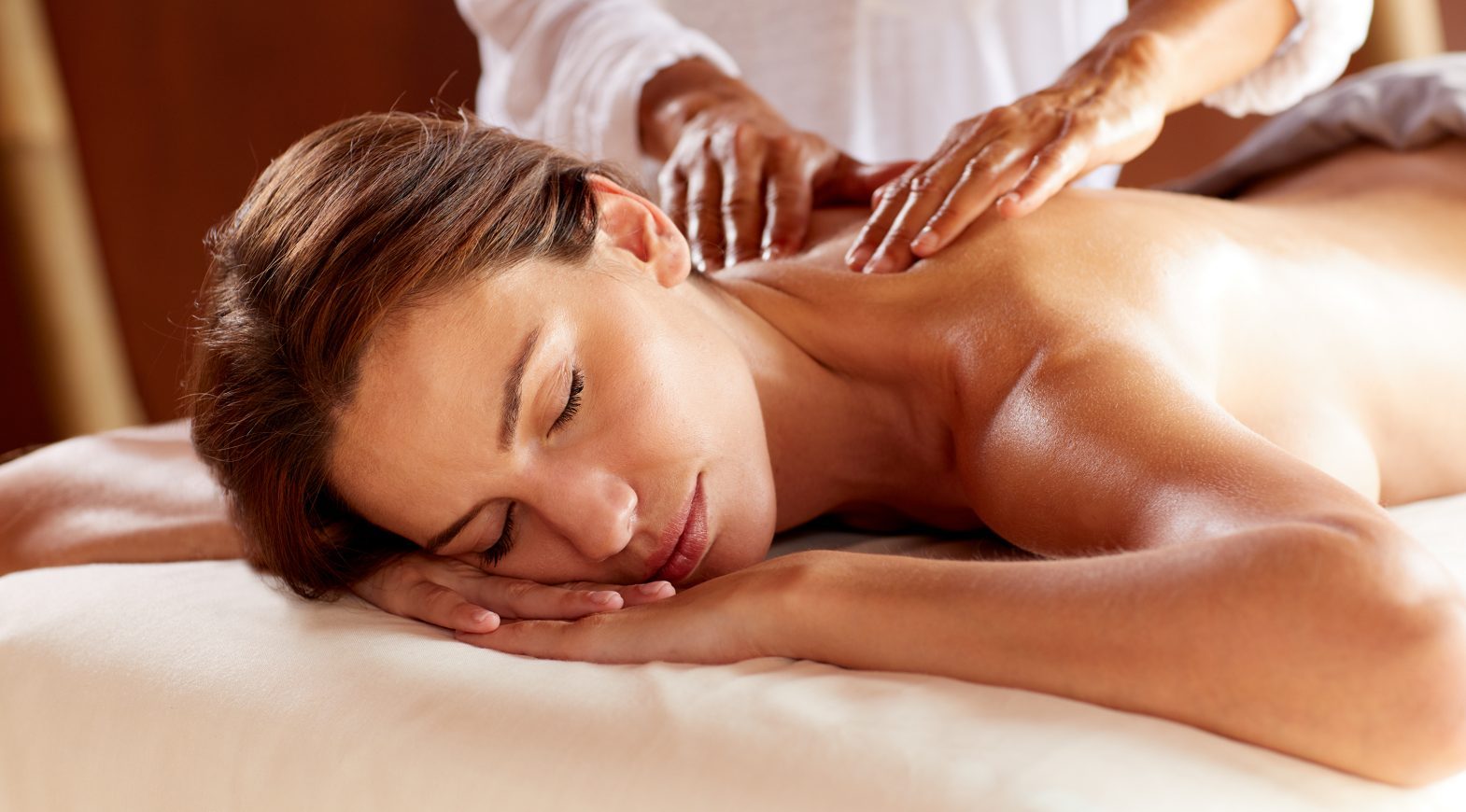
One person can pursue a health assessment while a partner books a massage or heads to the gym. Parents can use the children’s club to make time for a treatment. No one has to commit the entire party to a retreat schedule or spend the week discussing test results over dinner.
Crete supplies a useful counterweight to the machinery. The name KEPOS refers to a garden, a nod to the Greek tradition of treating pleasure and wellbeing as related ideas. There is history enough to support the reference. At the Palace of Knossos and in the Heraklion Archaeological Museum, the remains of Minoan culture include striking evidence of sophisticated water systems and bathing facilities. The island’s food traditions, built around olive oil, vegetables, herbs and seafood, are rather more immediately accessible.
So is the landscape. A guest might swim in the bay, hike, take a boat to Spinalonga or explore local food and olive oil before returning for a treatment. None of these requires a wellness consultant, which may be part of the point. Time outdoors and a good meal belong in the experience alongside the equipment.
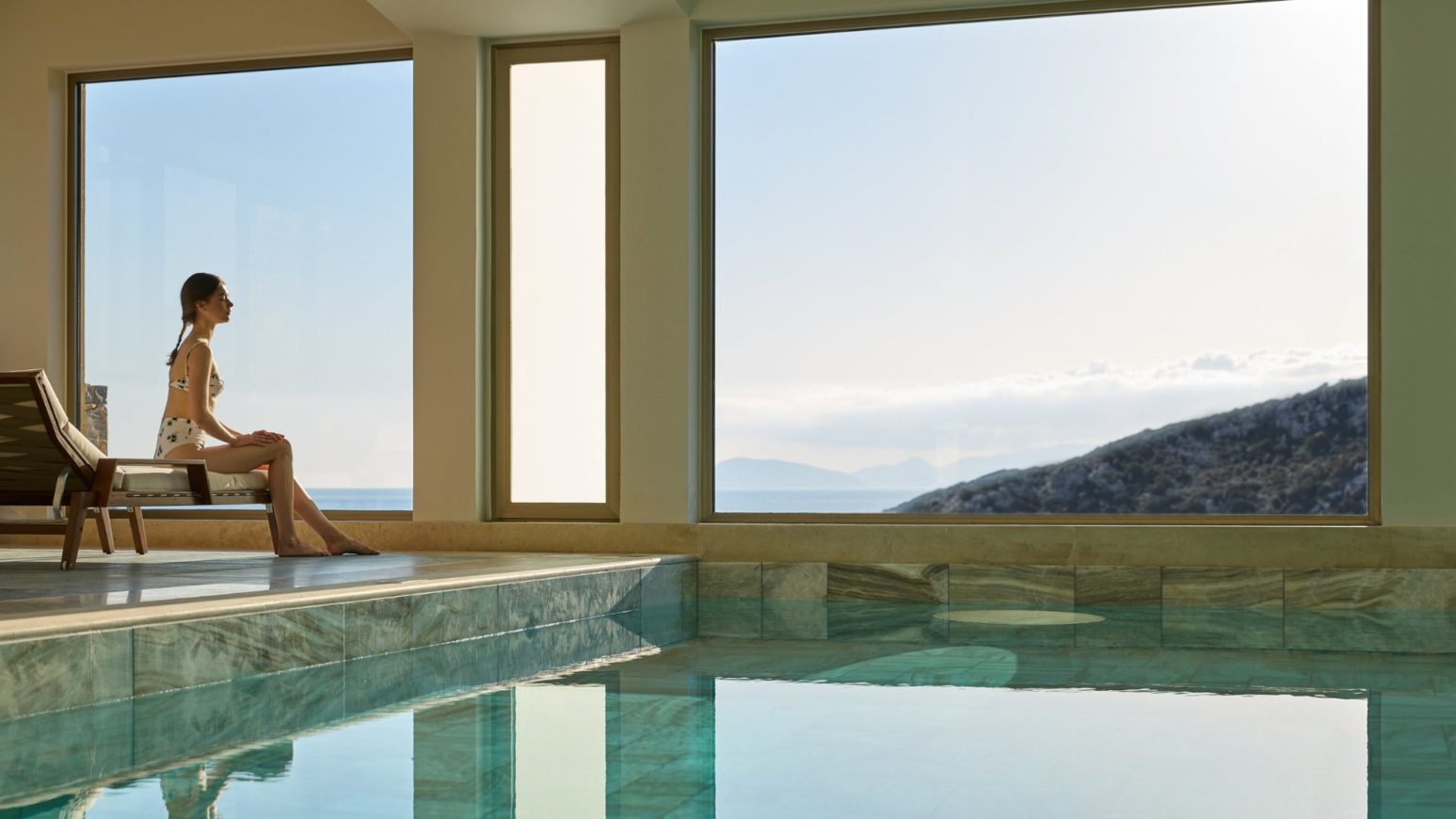
The resort’s scale takes some getting used to. With around 300 rooms, suites and villas spread across the hillside, it can take a day or two to find your bearings. Golf carts and a funicular make the steep terrain manageable; many of the accommodations have private pools. A one-bedroom sea-view suite offers its own pool and a generous terrace.
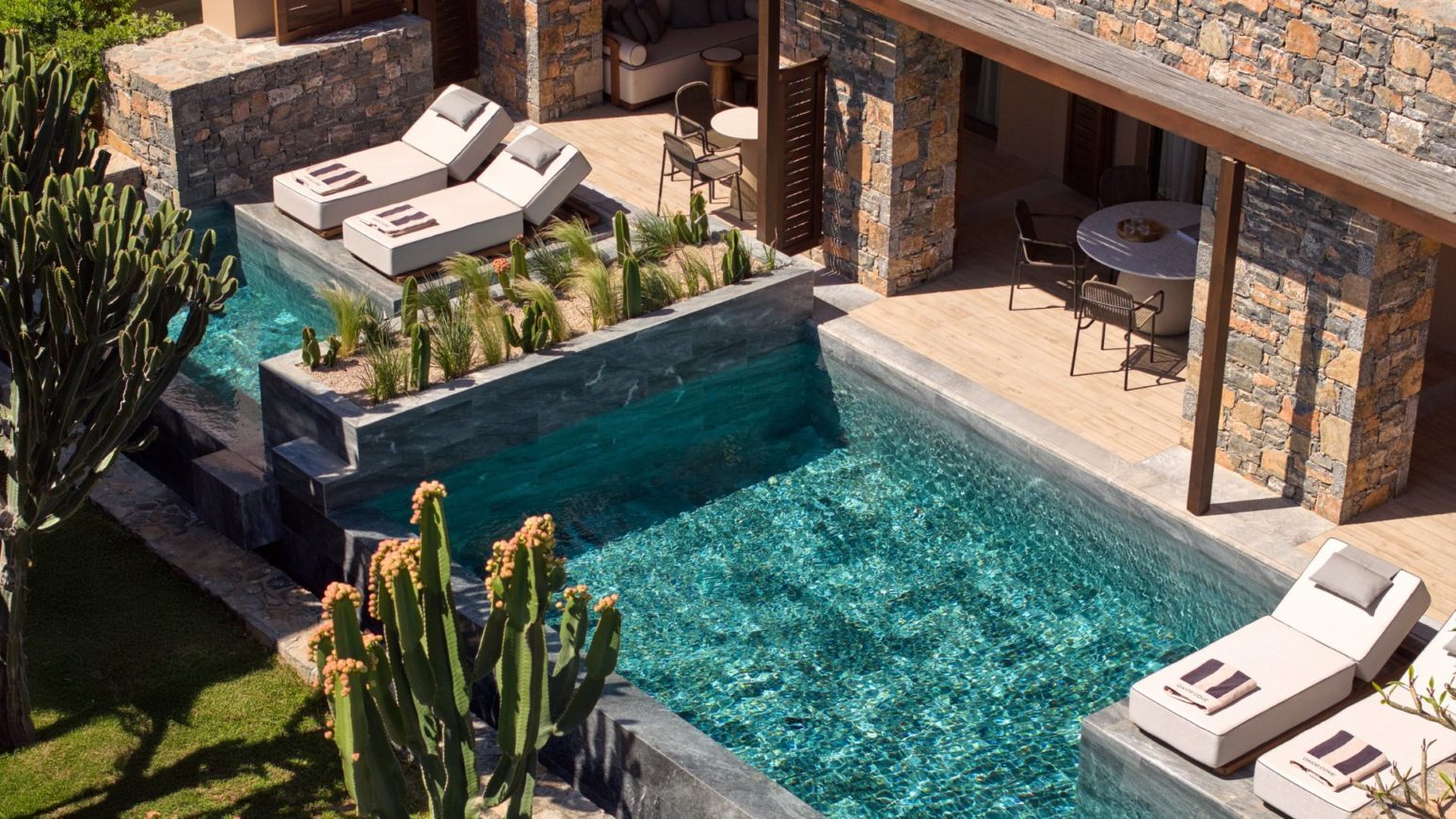
There is room for appetite, too. It is Crete, after all. Dining ranges from Greek and Mediterranean cooking to the more polished Ocean restaurant. After a morning’s training or an afternoon at KEPOS, guests can still settle in for dinner or a cocktail at Crystal Box. The programme works best when it makes space for those choices. Daios Cove’s founder, Dimitris Daios, has recently added a three-level private mansion with its own chef and butler, close to the helipad. It extends the resort’s appeal to guests who want greater privacy, while the cove, restaurants and wellness facilities remain within reach. Resort manager Kyrillos Chalkiadakis sees a stronger emphasis on health and fitness in the property’s future. For now, its appeal lies in offering both without making them compulsory.
A consultation might give you a reason to take your health more seriously. The rest of the day can still be spent swimming in the Aegean.
Six Senses London
London has plenty of hotels that promise an escape from the city. Six Senses London has chosen a more interesting address for one: the former Whiteleys department store in Bayswater, where shopping was once the principal form of therapy.
The store’s rear entrance, on a quiet side street, now leads to a 109-room hotel within the redeveloped building. The restored wrought-iron staircase and Victorian marble floor recall Whiteleys’ grander days, but the mood is considerably less formal. Soft lighting, warm-toned furniture and greenery make the large foyer feel unexpectedly intimate. Two petrified eucalyptus trees rise from the lower ground floors.
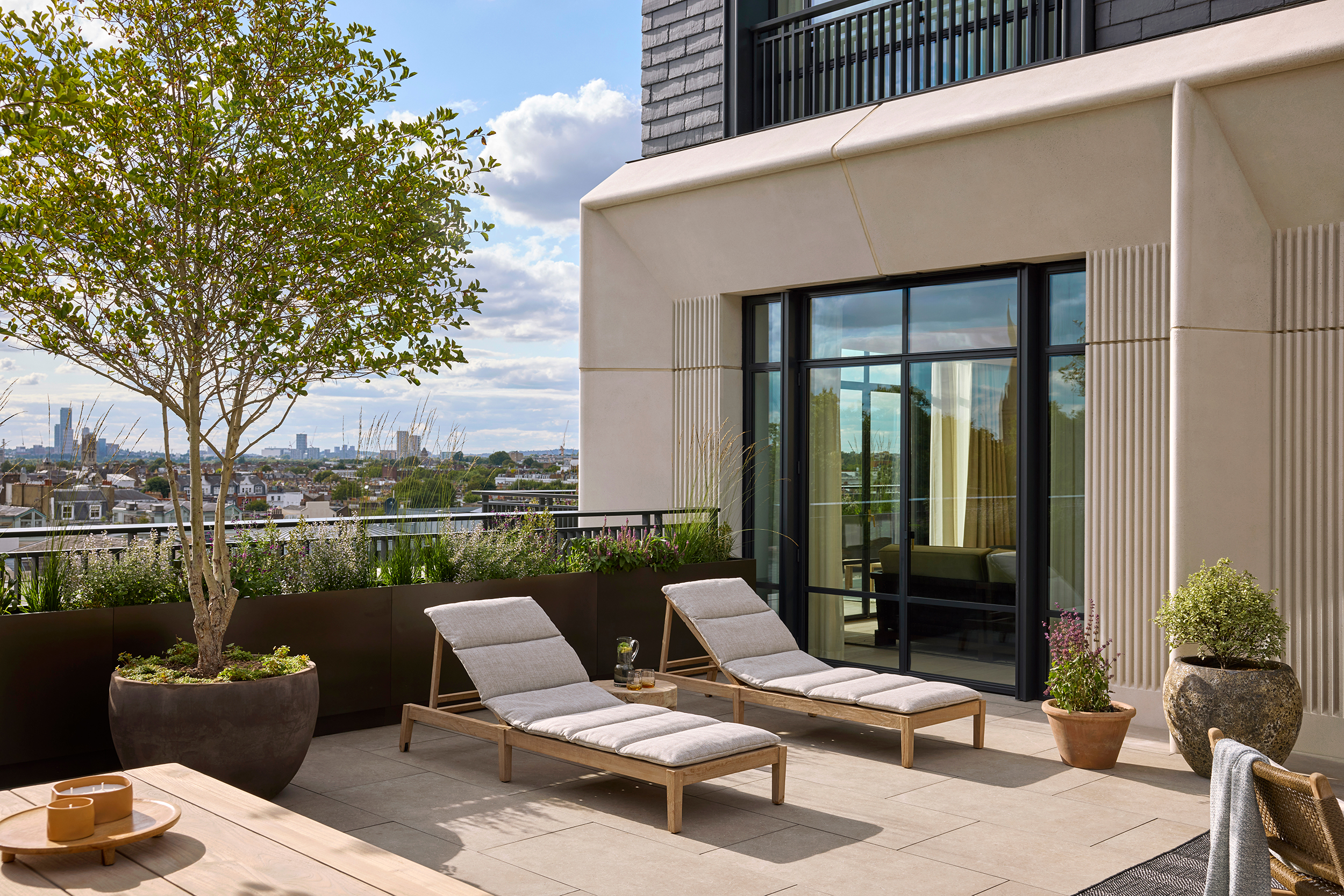
There are more eccentric touches. Jewellery cases have become planters, and a former map table holds an artwork inspired by a British butterfly, the hotel’s mascot. Six Senses says the butterfly reflects its support for green corridors and rewilding in London; some 10,000 square feet of wild planting occupies the rooftop. I’m also told that shamans and energy healers advised during construction, and that crystals have been embedded in the walls. Guests can decide for themselves what these contribute. The staircase requires no leap of faith.
At check-in, my wife and I are offered ginger kombucha made by resident fermentation specialist Jelena Belgrave. We’re invited to draw a card from the Herbal Wisdom Oracle Desk, each bearing an intention for our stay. It is an unusually earnest welcome for London, though delivered with enough good humour to make refusal seem churlish.
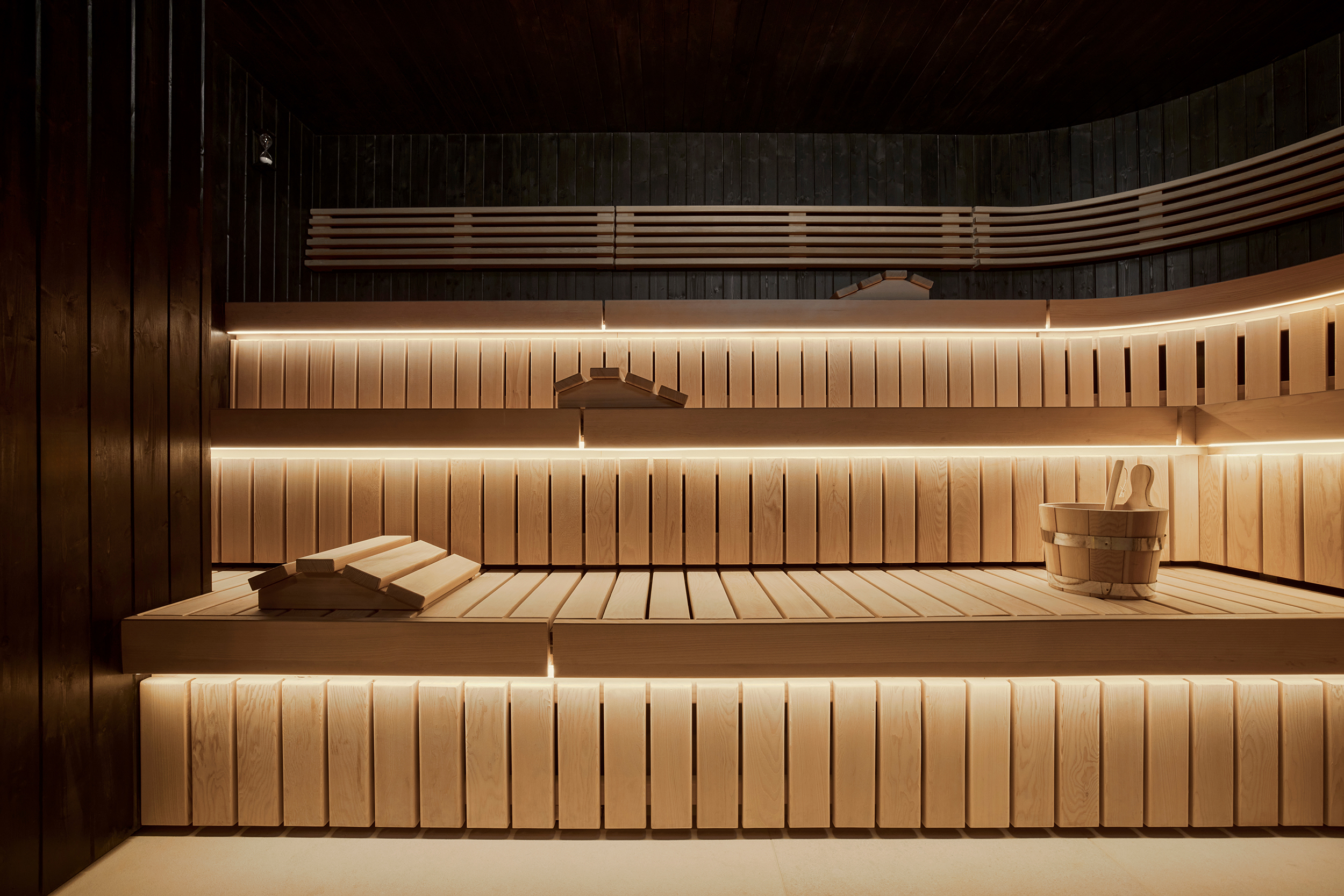
Below ground, the 2,300-square-metre spa takes a more measurable approach. A screening assesses 30 markers, including stress, cardiovascular performance, and body composition, before a staff member walks me through the recovery equipment. I score better than expected. Then comes three minutes of cryotherapy, followed by 20 minutes in a red-light bed. The first leaves me gasping; the second gives me ample time to wonder what, precisely, I’ve recovered from.
Those two treatments barely begin to cover the spa’s technology. Its Biohack Recovery Lounge offers compression boots, electro-muscle stimulation, vibration platforms and PEMF therapy, which uses pulsed electromagnetic fields. It also offers flotation treatments, alongside a hammam, a Technogym fitness centre, and a 20-metre pool that was still being completed during my visit. The range is impressive; choosing what might actually be useful is where the initial consultation earns its place.
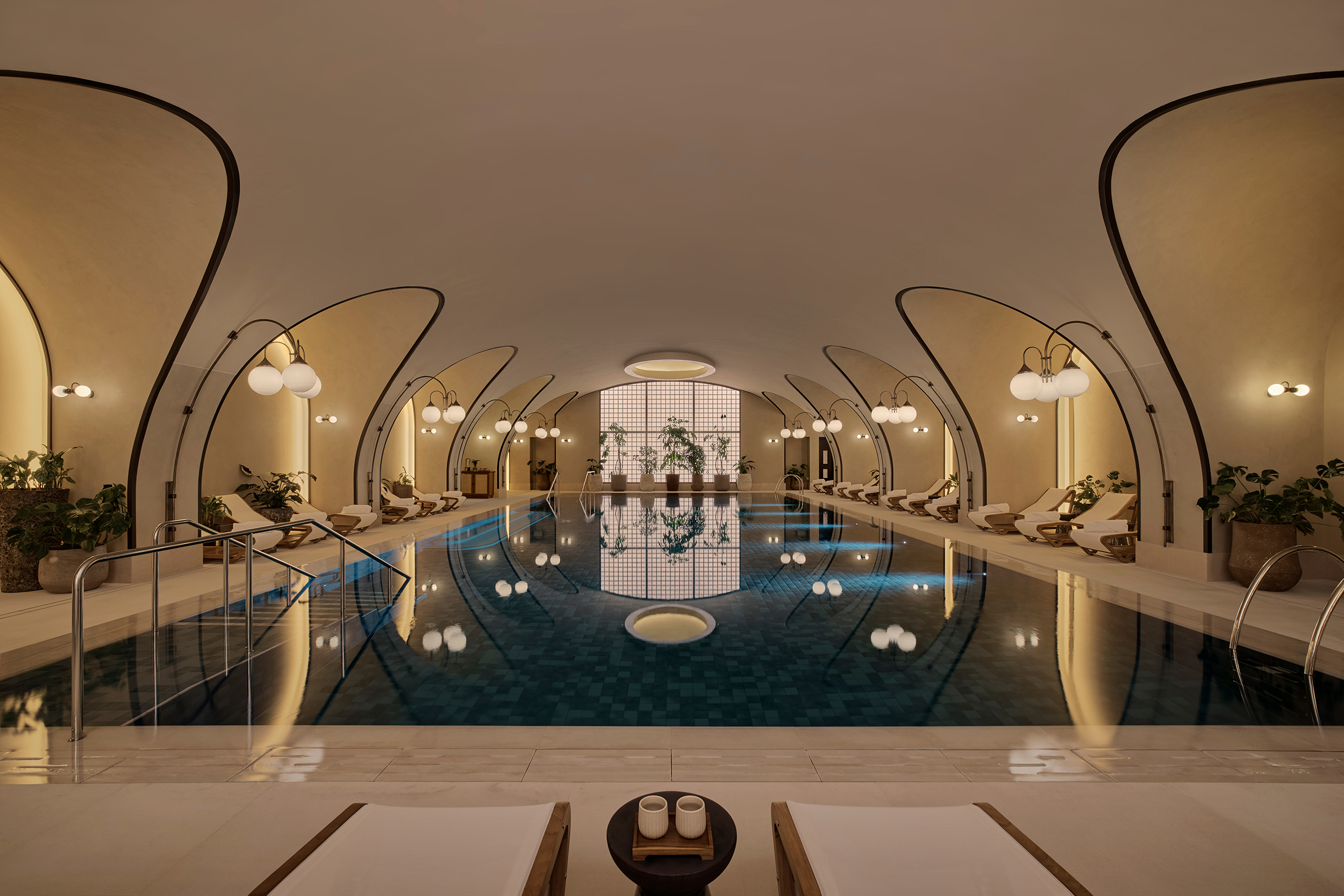
The spa can go in a less technological direction, too. My Lymphatic Body Reset is a light massage using products from London skincare brand de Mamiel. After the cold chamber, gentle hands are welcome.
A floor above, the hotel’s partnership with HUM2N brings medicine into the picture. Founded by Dr Mohammed Enayat, the longevity clinic offers blood testing, body-composition analysis and consultations that turn the results into a longer-term plan. Its services here also include IV nutrient therapy and hormone optimisation. I don’t undergo that assessment, which is quite distinct from my brief spa screening. But the clinic gives Six Senses reach beyond the hotel stay: a guest might book an afternoon treatment, while someone living nearby can return to a physician-led programme over months.
Dinner at Whiteley’s Kitchen makes a persuasive case for staying put. The hotel says more than three quarters of its ingredients come from within 100 miles, while the adjoining bar finds uses for kitchen offcuts. Belgrave works with head chef Jose Jara on the ferments, sauces and pickles that give the menu some of its character: shio koji brown butter with heritage beef from a regenerative farm, for example, or house-made miso with stone bass. The food is considered without making dinner feel like an extension of the screening.
At breakfast, kombucha shares the table with juices and health shots. Across the foyer, Whiteley’s Café serves pastries and coffee from Cornish roaster Origin. I appreciate a hotel confident enough in its principles to leave the patisserie in plain sight.
My final appointment is at the spa’s Alchemy Bar, where medical herbalist Charlotte Pulver consults guests before making a tincture to take home. I’m told she is also a druid. The title makes me wary of what might follow, but Pulver asks thoughtful questions and the session proves unexpectedly comforting. I leave with a bottle rather than a revelation.
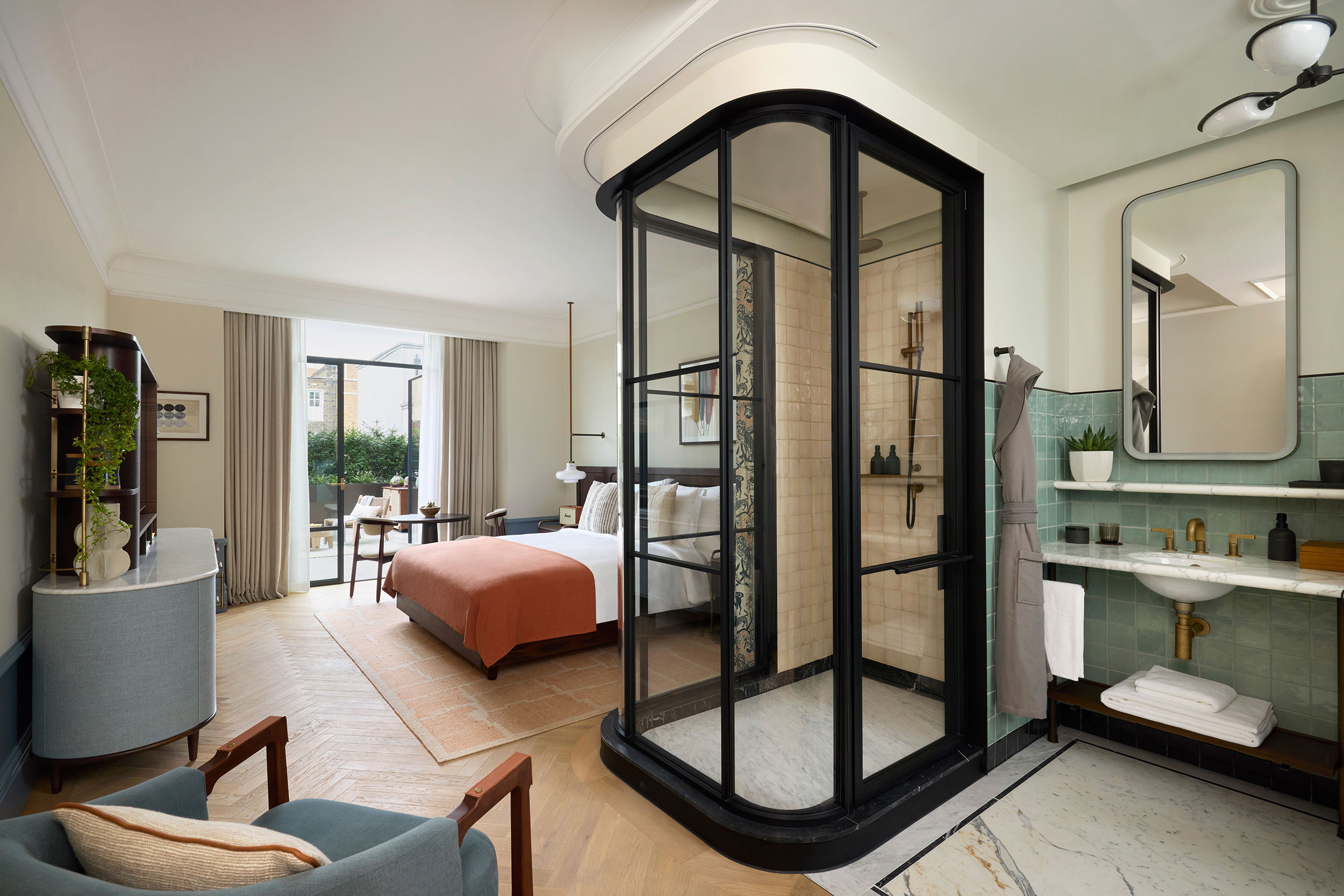
Upstairs, the rooms and suites are bright and relaxed, with natural woods and Art Deco details that acknowledge the building’s past without turning it into a period piece. The courtyard brings daylight into many of them. A pleasant room, a good dinner and a choice of how much of the wellness programme to take on: Six Senses allows for a stay that feels like a holiday, even if the clinic suggests a more sustained commitment.
Locals have another way in through Six Senses Place, its private members’ club. Along with access to the gym and spa, it offers a restaurant, a bar and a programme that runs from talks and psychotherapy groups to birdwatching walks and events around the solstices. The range is almost comically broad, though it suggests an understanding that company and curiosity belong in the conversation about feeling well.
At checkout, I’m handed a paper butterfly on which to leave a message for a collage of guests’ notes. It could have been one flourish too many. But Whiteleys spent generations drawing Londoners through its doors; Six Senses has found a gentler reason to bring people together.
Brenners Park Hotel & Spa, Germany
On my first trip to the medical centre at Brenners Park-Hotel & Spa, a front-desk agent briskly leads me through the newly renovated main hotel, past the spa, and directly to the clinic. There’s no unwinding in the serene nature and crisp German air of Baden-Baden, the historic town long associated with restorative living, and that seamless discretion is entirely the point.
The line between luxury hospitality and medical care is intentionally blurred. Guests don’t just come for the restaurants, manicured gardens, and five-star service. Many check in specifically for the property’s preventative medicine and longevity programs, spending their days rotating between diagnostics, consultations, and treatments while still enjoying the comforts of a grand European resort. The clinic operates mostly during normal business hours Monday through Friday (and when needed on weekends), which creates an interesting rhythm. My days feel intensely medical. My evenings feel like vacation.
But this isn’t the yoga pants and green juice version of wellness. Inside, white-coated staff move quickly between guests that look like they belong on an international best-dressed list. Women carry Dior bags and don Gucci sandals while men wear tailored jeans and loafers. It feels like a fashion show, but a blood test rather than a cocktail awaits at the end of this catwalk.
Guests are expecting the barrage of unsexy medical tests—in fact, many have already done their research. One guest tells me she flew in from Dubai after considering several European longevity clinics, ultimately choosing Brenners because it leaned so heavily into diagnostics and preventative care.
Most mornings begin with a consultation with Dr. Harry König—the man behind the medical operation that blends conventional Western medicine with naturopathy. He reviews whatever new information emerged from the previous day’s testing before adjusting the day’s plan accordingly. Every evening—and occasionally in the middle of the day—updated schedules appear as fresh results generate an eve revolving game plan.
Over the course of the week, I undergo ultrasounds of my thyroid, heart, abdomen, and leg veins, as well as cardiovascular-stress testing, blood work, body scans, and a rotating series of treatments split between the clinic and Haus Julius upstairs. There are also sessions of Cranio Sacral Balance, EmSella pelvic-floor activation, Exomind brain stimulation, lymphatic drainage, and physiotherapy.
It’s a setup engineered for privacy. König offhandedly notes that C.E.O.s, politicians, A-list celebrities, and members of the Bollywood elite have all checked in for biological tune-ups safely removed from public view.
My numbers reveal low iron, a vitamin-D deficiency, elevated cholesterol (likely genetic), and a sluggish thyroid that will require follow-up testing back home. Within days, supplements arrive from a local pharmacy and are delivered directly to my room. IV drips are also on the schedule.
Several 20-something staff members react with genuine surprise when they learn I’m 32, insisting they assumed I was much younger. Whether that’s due to the flattering lighting or the longevity program itself remains unclear.
The compliments go far, but it’s not a selling tactic. One of the most reassuring aspects of the experience is how often König tells me I don’t need things. Brenners is one of only two clinics in Germany legally permitted to perform pluripotent stem-cell treatments, yet because of my age, aggressive longevity interventions never seriously enter the conversation.
When I mention my endometriosis, he doesn’t immediately start proposing procedures. If anything, he says hormone therapy may be worth discussing someday.
For now, his recommendation is simpler: Address the fundamentals first, and come back in a year.
Predictably, my body scan confirms what I already suspected. I should probably work out more. König suggests strength training and reformer Pilates before casually adjusting my slightly uneven hips with chiropractic confidence.
Not every appointment feels overtly medical. During a mental-coaching session, Tibetan sound bowls vibrate softly across my abdomen. Later, a hypnosis exercise has me counting backward from 100 while imagining myself descending a staircase into deeper relaxation.
On the traditional-spa side, a JetPeel facial using Augustinus Bader products essentially pressure washes my skin with nutrient-rich serums. Afterward, a Lomi Lomi massage utilizing different oils—including my choice, which comes infused with local Black Forest herbs and pine- and fir-tree extracts—nearly puts me to sleep. Even dentistry is folded into the wellness equation, with routine cleanings offered at the on-site clinic.
Crucially, Brenners isn’t some communal-dining deprivation retreat. Nobody is encouraging you to share your feelings over bowls of lentil broth with a table of strangers. Breakfast is at Fritz & Felix, lunch is squeezed into the Wintergarten conservatory, and dinner is either ordered to my room or eaten dressed up in the restaurants. The menus are engineered around your lab work and individual program. For me, that means a calorie-conscious, gluten- and lactose-free plan with hyper-specific protein targets. Mercifully, the food tastes like hotel dining rather than dietary penance. No one explicitly bans caffeine or alcohol, but after days of obsessing over my biomarkers, both begin to seem entirely irrelevant.
The choreography isn’t without its hitches. On my first night with the new nutritional protocol, the restaurant has no record of my restrictions. By the following day, the issue has been sorted out. Appointments also have a habit of running 15 to 30 minutes behind schedule. Rather than actual service failures, those logistical wrinkles serve as reminders that beneath the polished five-star veneer sits a functioning medical practice attempting to reconcile luxury hospitality with individualised medicine.
“Longevity is a strategy,” König tells me while comparing certain wellness trends to drinking rosé in the south of France. It tastes incredible sitting by the sea in perfect weather; less so once you get home. Feeling great inside a perfectly controlled environment is one thing. Creating results that hold up in everyday life is another.
On my flight home, a man my exact age mistakes me for a college student travelling with her parents. I decide not to correct him and happily take the win. From about $84,000 per person, excluding accommodations, for the 10-night-minimum ReLife Longevity Protocol.
My only disappointment: During restorative yoga I can’t just drape myself over a bolster, swaddled in blankets. One guest laments the lack of a bathing suit spinner. Others wish they could purchase the towel warmer that heats our post-massage bathrobes. Several tell me they crave even more scheduled activity—water aerobics, TRX, or Pilates—rather than having to select add-ons.
Another part of the equation is the social aspect: Lively conversations occur during hikes, and meals are group occasions, too. Topics include politics, Belle Burden, workout pants, Blue Zones, or psychedelics, depending on who I’m with. Repeat guests coordinate their calendars with friends they met on last year’s trip. Connection is an integral part of what the Ranch inspires.
Dining, naturally, is central to the experience. Chef Julius is a nutritionist and wants us fueled and supported by the food we eat. He chooses ingredients not only for taste but because they serve a specific purpose. Dishes are “plant-forward,” meaning mostly vegan with the occasional animal protein. This cuisine is not for everyone, but nobody leaves the table hungry.
It soon becomes clear to me that the Ranch attracts those seeking the fundamentals—exercise, clean food, quality sleep—just elevated. It’s a simple recipe with no fads, no gimmicks, and definitely no blood work. This is the place to start a longevity journey without any diagnostics.
After our final dinner, new friends are already making plans to return together for more Type 2 Fun. Nearly the entire group lingers in the living room—playing chess, swapping stories, exchanging photos. For many of us, relationships like those formed here may just be the simplest key to longevity.
From about $14,500 for a single guest for four nights during the fall season.
This story appears in the Spring 2026 issue of Robb Report Australia & New Zealand. Click here to subscribe.
Subscribe to the Newsletter
Recommended for you
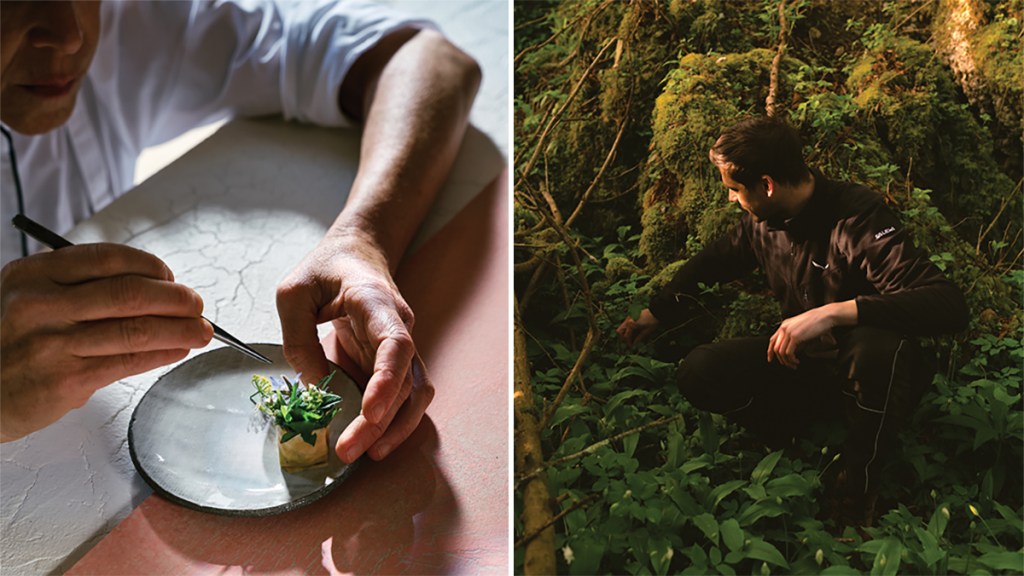
Slavic Success
Slovenia now has just as many Michelin stars as Greece. The secret can be found deep in its lush forests.
November 5, 2026
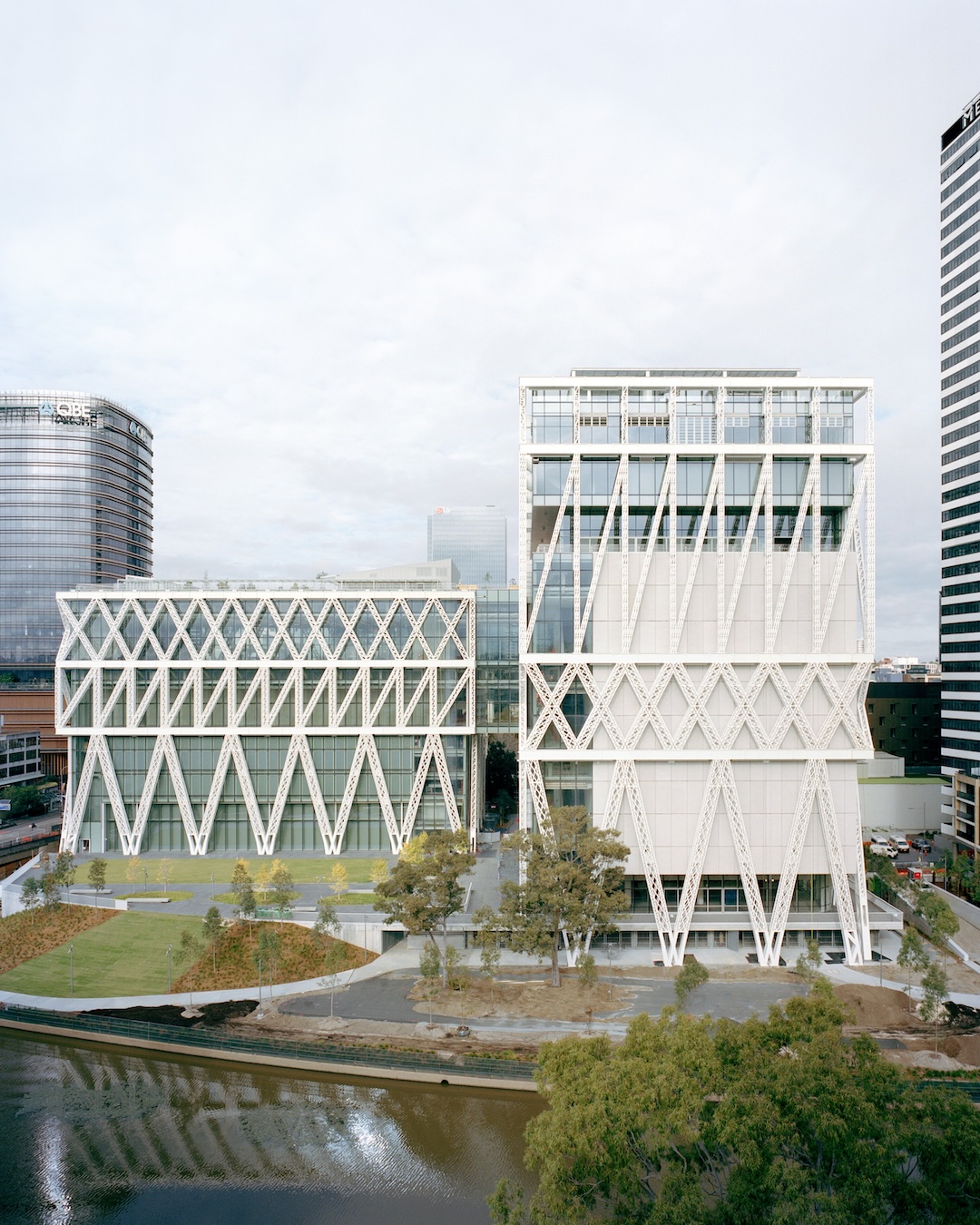
Meet Me at the Mall
Powerhouse Parramatta opens in Western Sydney this November with an OMA-designed exhibition that treats the shopping centre not as a retail relic, but as a defining architecture of modern life.
November 4, 2026
You may also like.
You may also like.
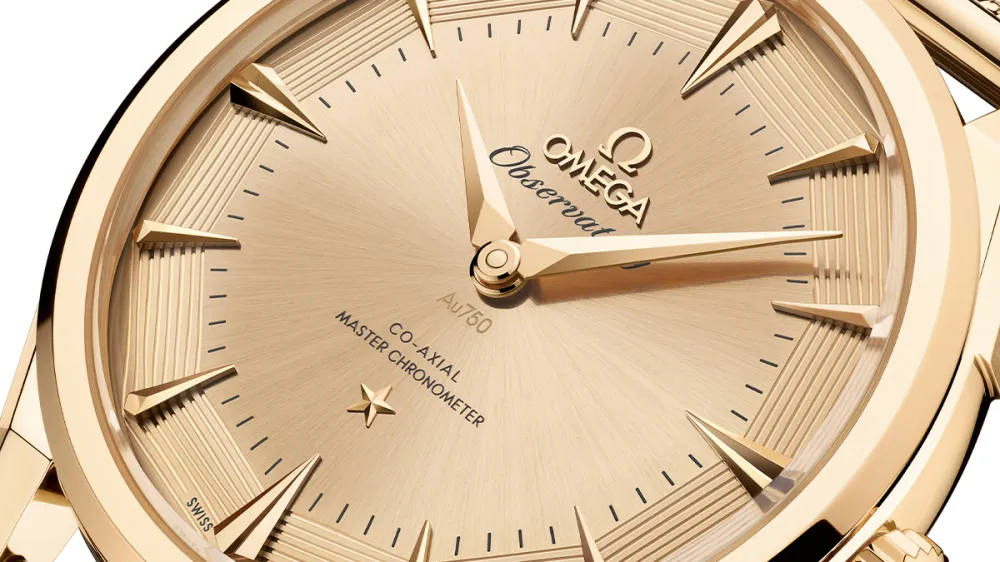
Omega Just Unveiled 9 Watches in Its New Constellation Observatory Collection
The line-up shows up a bevy of metals and colours, too, as well as two new calibres.
Omega’s latest watch is in a universe of its own.
The Swiss watchmaker just unveiled its new Constellation Observatory Collection today, the next step in its Constellation lineage and the first two-hand hour and minute timepieces to ever earn Master Chronometer certification. And if you were paying attention to any of the dazzling watches spotted at the Oscars this year, you would’ve caught a glimpse of the new line already: Sinners star Delroy Lindo rocked one of the models on the Academy Awards red carpet, giving us a pre-release preview of the collection.
Developed at Omega’s new Laboratoire de Précision (its chronometer testing lab open to all brands), the collection houses a set of nine 39.4 mm watches. The watches underwent 25 days of scrutiny there, analysed via a new acoustic testing method that recorded every sound emitted from the timepiece to track irregularities, temperature sensitivities, and more in the name of all things precision. (Details such as water resistance and power reserve are also thoroughly examined.) This meticulous process is all in the name of snagging that Master Chronometer label, meaning that the timepiece is highly accurate and surpasses the threshold for ultra-high performance. The Constellation Observatory Collection has now changed the game, though, thanks to its lack of a seconds hand.

“Until now, precision certification has required a seconds hand,” Raynald Aeschlimann, president and CEO of OMEGA, said in a press statement. “The development of a new acoustic testing methodology has made that requirement obsolete. It is this breakthrough that has enabled us to present the Constellation Observatory, the first two-hand watch to achieve Master Chronometer certification.”
In addition to notching its place in history, the collection also debuted a new pair of movements: the Calibre 8915 and the Calibre 8914, each perched on a skeletonised rotor base. The former’s Grand Luxe iteration will appear on the 950 Platinum-Gold model in the collection, which offers up that base in 18-karat Sedna Gold alongside a Constellation medallion in 18-karat white gold with an Observatory dome done in white opal enamel surrounded by stars. The second Calibre 8915, the Luxe, will find its home on the other precious-metal models in the line, either made with the brand’s 18-karat Sedna, Moonshine, or Canopus gold seen across the case, the hand-guilloché dial, and, of course, the movement itself. (Lindo chose to rock the Moonshine Gold on Moonshine Gold iteration, priced at approximately $86,000, for Sinners‘s big night at the Oscars.) As for the Calibre 8914, it can be found in the collection’s four steel models.

Each model is a callback to myriad design features on past Omega models. That two-hand dial, for one, comes from the 1948 Centenary (the brand’s first chronometer-certified automatic wristwatch), while the pie-pan dial (seen in various blue, green, and golden hues throughout the line) and that Constellation medallion caseback both appear on watches from 1952. The star adorning the space above 6 o’clock also harks back to 1950s timepieces from Omega. And to finish off the look, you can opt for alligator straps in a variety of colours, or perhaps a gold iteration to match the precious-metal models; the brick-like pattern on the 18-karat Moonshine bracelet was also inspired by Omega watches from the ’50s.
We’ll have to keep our eyes peeled for any other Constellation Observatory timepieces (or any other unreleased models from the brand) at the rest of the star-studded events headed our way this year—perhaps the Met Gala?

You may also like.

In Search of White Gold
Colorado’s barely known San Juan Mountains do a fine line in bespoke skiing experiences, luring alpine-sports cognoscenti and billionaire thrill-seekers alike.
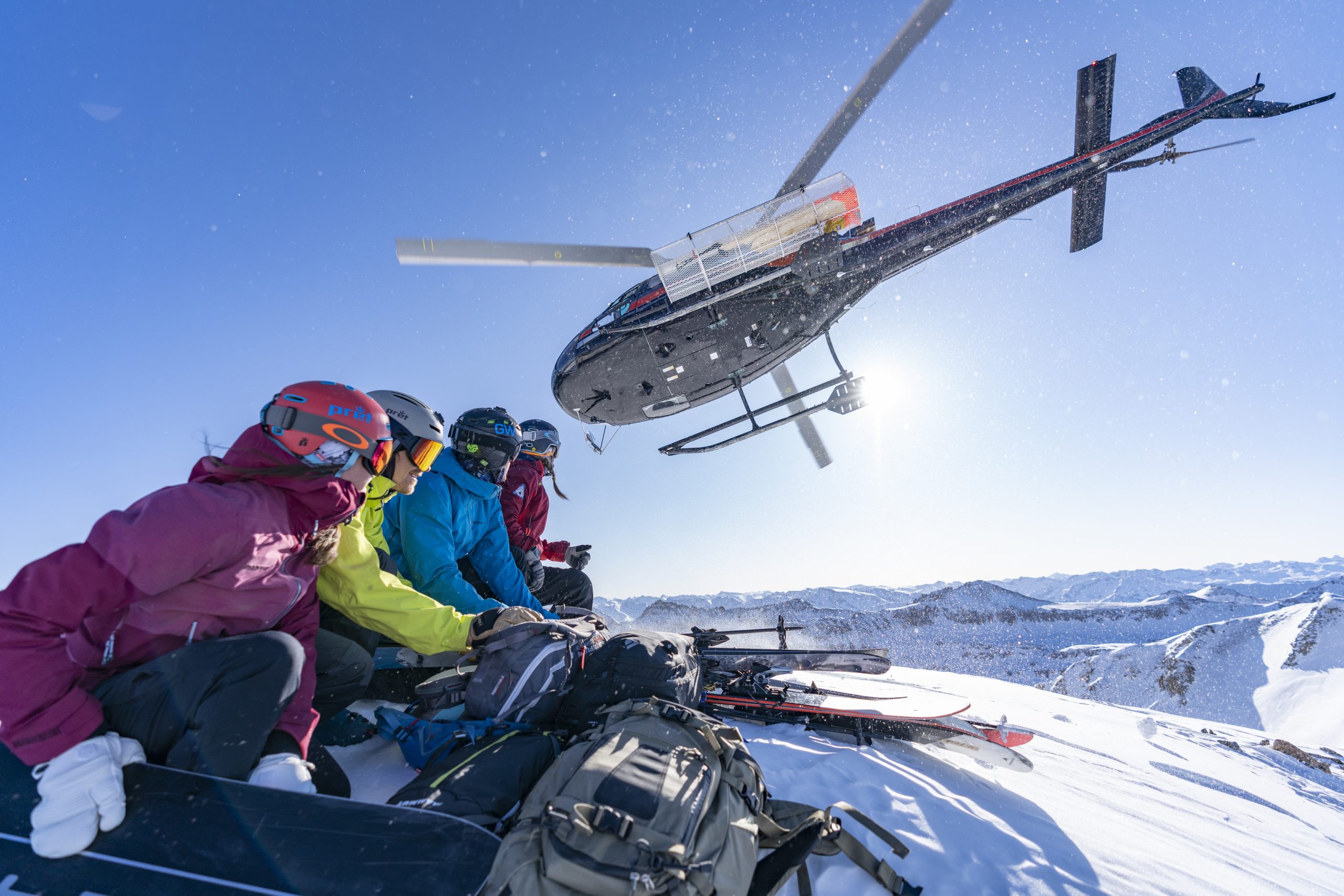
“Though no one currently on staff is at liberty to say, billionaire actor Tom Cruise is a very average heli-snowboarder. But although no one currently on staff is at liberty to say, Amazon CEO Jeff Bezos—the world’s second richest human—makes up for Cruise’s inability with his off-piste prowess. The pair have been clients of Telluride Helitrax, a heli-skiing outfit operating in the backcountry behind Telluride Mountain Resort, in remote south-west Colorado, since 1982. My source, a former guide who prefers to remain anonymous, admits he’s entertained a host of household-name One Percenters over the years.”
“Power billionaires aren’t going to the popular resorts any more,” he reveals over a happy-hour drink at a Telluride bar. “Luxury skiing these days, it’s all about exclusivity. No one with any clout shares snow, and at every resort, no matter how fancy, you have to share the slopes. But nowhere is more exclusive than the backcountry. That’s your billionaire’s playground. And no backcountry is more exclusive than San Juan backcountry.”
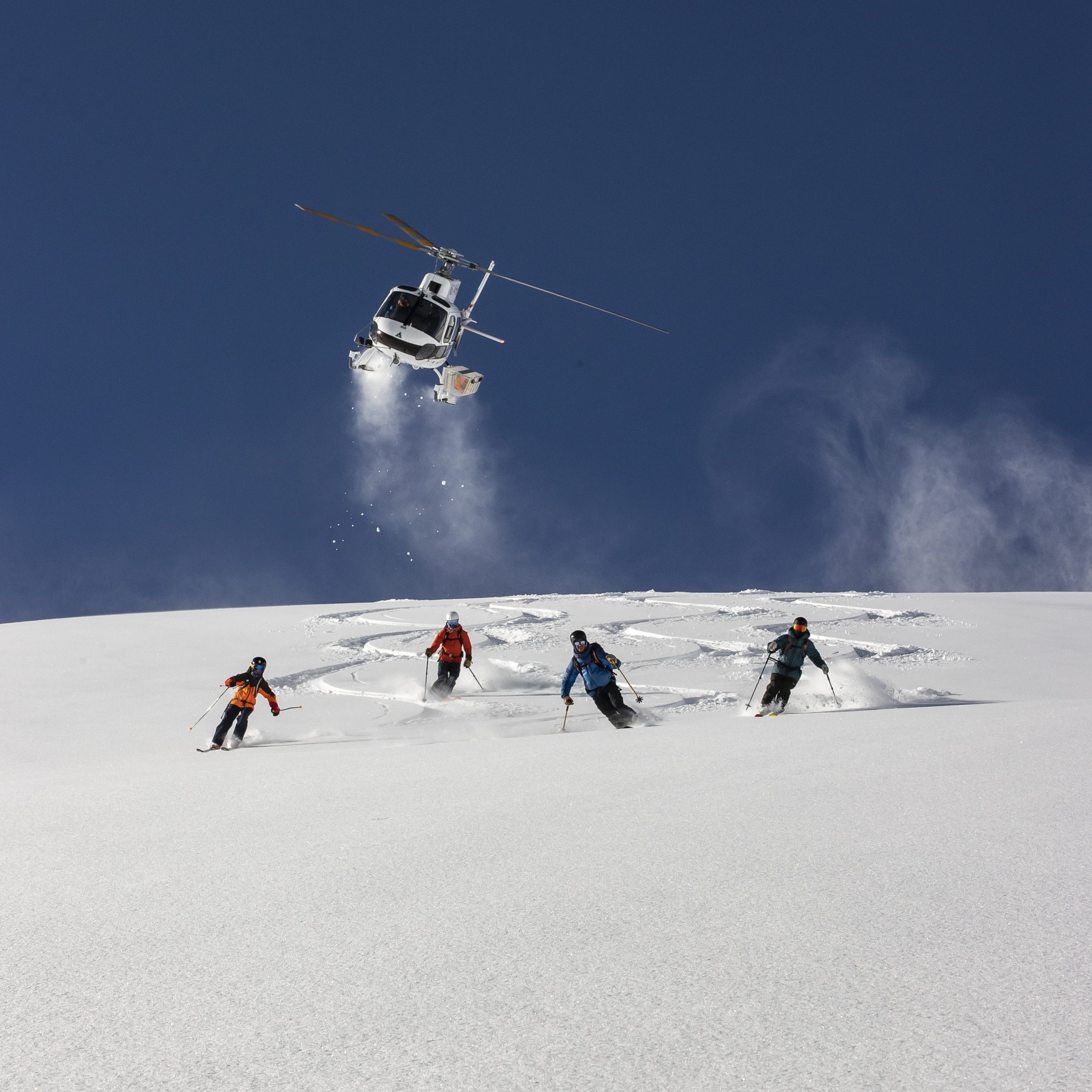
Which is precisely why I am here. Australia’s considerable brigade of free-spending, snow-crazed executives may jet off to Vail and Aspen each northern winter for thrills, but it turns out some of the world’s most choicest ski experiences have been right under their noses—only a short helicopter ride, car journey or private jet flight from said resorts.
Packed into the ultra-rugged southern end of the Rocky Mountains, the San Juans are a little chunk of the Swiss Alps in the US—young, ridiculously spectacular formations known for their steep slopes, deep powder snow and Disney-esque triangular peaks, all bathed in 300-plus days of sunshine a year. And the region is augmented by unique, and select, backcountry options that rival anything currently in the upscale ski orbit.
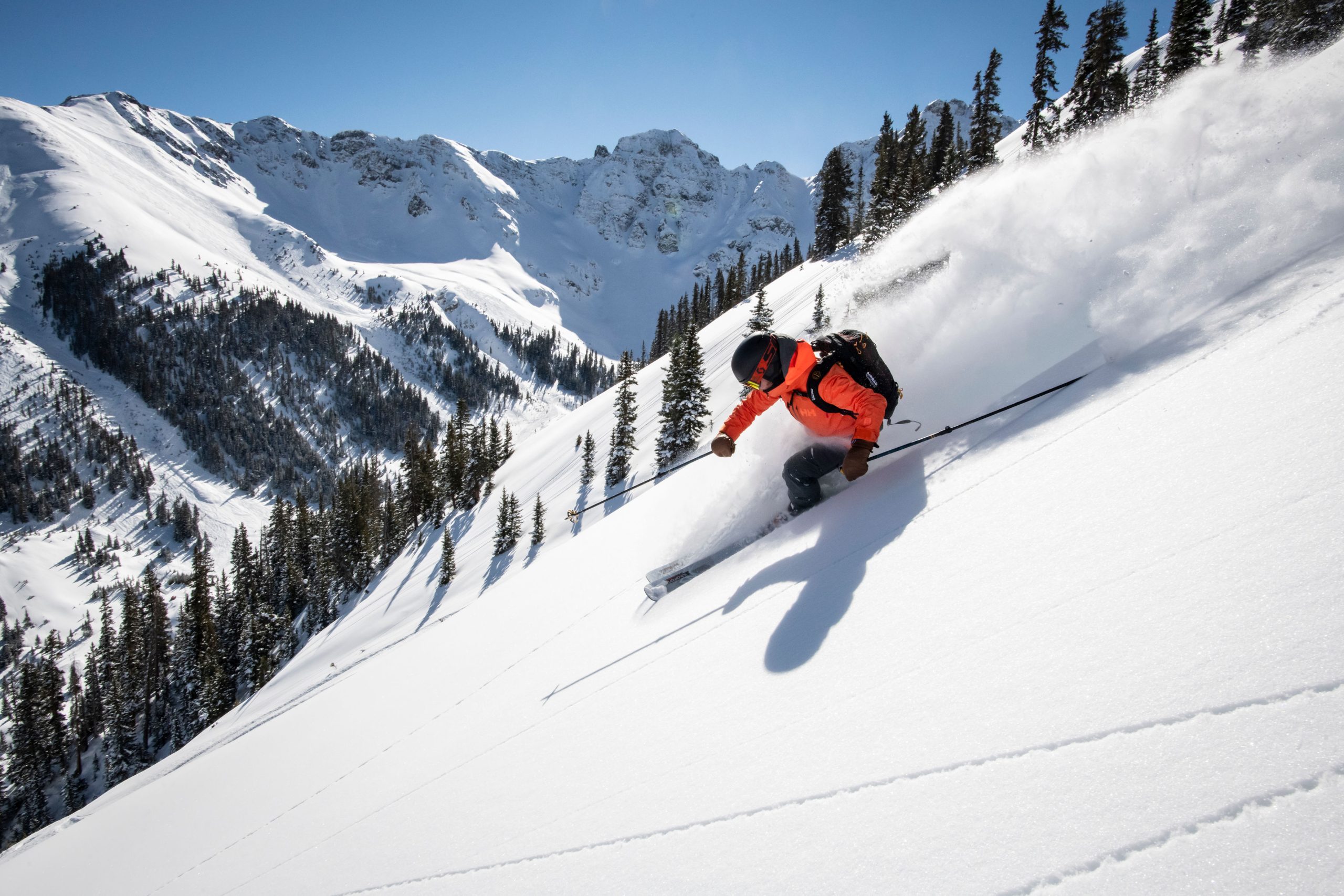
Case in point: North America’s highest skiing setting, Silverton Mountain. Located in the heart of the San Juans, outside the tiny town of Silverton, the 4,111 m peak boasts 736 hectares of chair-accessible terrain set among what is reputedly the deepest, steepest snow in the nation. It also offers a further 10,000 hectares of private terrain, serviced by heli-ski operation Heli Adventures. This is the Shangri-La of skiing: every slope connoisseur has heard of it, though most wonder if it actually exists.
We arrive via the treacherous Million Dollar Highway, where a disturbing lack of guard rails sometimes causes travellers to plummet into the valley floor (the death toll, grimly, averages eight people per year). Silverton Mountain was bought in 2023 by Heli Adventures’ young co-founders Andy Culp and Brock Strasbourger. While private punters can book the hill in its entirety, starting from around $14,000 per day, plus extra for single heli-skiing runs, the destination is also open to the public from Thursdays to Saturdays through winter.
“Silverton is a bastion for the pure ski experience,” Culp says. “All that corporate consolidation that happened when ski resorts all over the world developed condos and real estate and got super-busy… well, it never happened here. You’re able to access Alaska-like terrain from an old rickety chairlift, but you’re an hour’s drive from a pretty major airport [Montrose]. And you can access snow that’s even better than most heli-skiing straight off your lift.”
There’s no radio-frequency lift passes when I arrive. In fact, I don’t get a lift pass at all. A discarded school bus doubles as the “second chairlift”; it picks me up and returns me to a yurt which serves as a restaurant and bar. “There’s a time and a place to hang out at The Little Nell [Aspen’s legendary après-ski bar] and the world doesn’t need more of that,” Culp says. “This is the new luxury. We also run a heli-ski business out of Aspen [Aspen Heli-Skiing] but this is where we come. You can’t put a price tag on what we have here.”
I drive away from the mountain, back along the perilous Million Dollar Highway, park my car and disappear into the San Juan National Forest with guide Kaylee Walden. This white-coated outback between Silverton and Ouray, dubbed “the Switzerland of America”, offers swathes of primo backcountry skiing terrain. The ski touring here is often likened to Europe’s iconic Haute Route—an emblematic trail between Mont Blanc and the Matterhorn.
The operator Mountain Trip offers a Colorado version of that feted circuit, on a multi-day traverse between secluded huts. All in all, there’s nearly 8,000 km² of national forest and 2,500 hectares of wilderness to explore, frequented only by the occasional intrepid enthusiast.
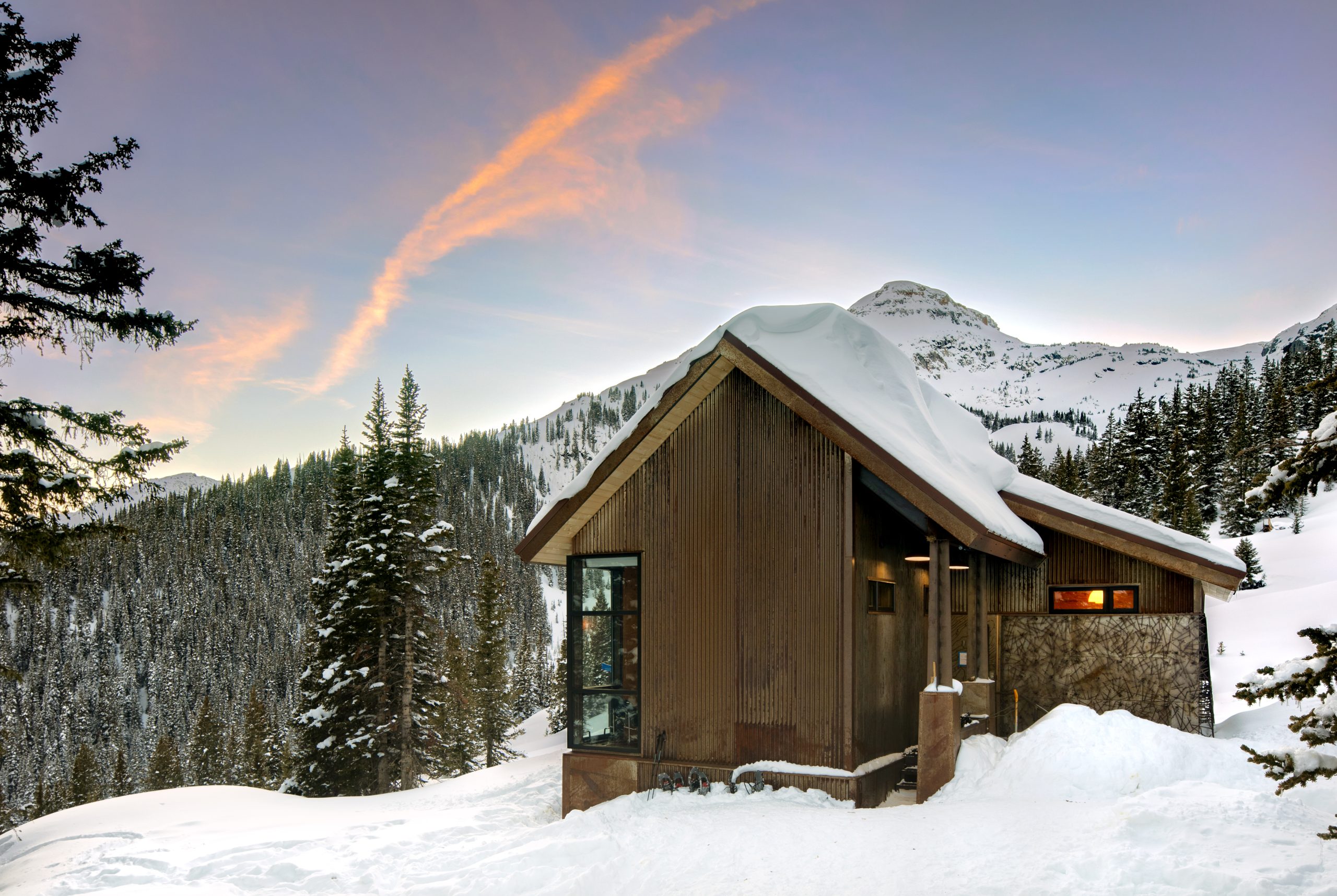
A wood-burning sauna is being prepared as I arrive at Thelma Hut, 4,500 m above sea level. Traditionally, US Forest Service huts were humble affairs, with rudimentary bunks, self-service kitchens, and food supplies brought in by skiers. This evening, however, a chef is preparing local bison across from an open fireplace as the sun sets through a floor-to-ceiling window against a horizon of white mountains. As he works, I walk out into the snow to study the twilight sky; beaming planets shine down on me, necklaces of tiny stars sparkle.
Back down to earth, upon my return to “civilisation”, we take a two-hour car ride to Telluride, probing through the San Juans. The small town is picture-postcard pretty, wedged at the end of a box canyon surrounded by Colorado’s tallest waterfalls, and hosts the highest concentration of 4,000-m-plus peaks in the state. Most of its buildings are on the National Register of Historic Places, including a bank that was robbed in 1889 by the outlaw Butch Cassidy.
While the locale offers everything from luxurious on-mountain dining options to 7-km-long runs, it’s the heli-ski enterprise that’s lured me. Telluride Helitrax holds sole rights to over 500 km² of completely deserted ski terrain, a few minutes’ flying time from town. The company runs a range of Eurocopters which guests can charter into Colorado’s best alpine basins, cirques and couloirs. “The range mightn’t be as expansive as Alaska,” says Telluride Helitrax program director Joseph Shults. “But the views, the terrain, the snow depth and quality is as good.”
I’m staying in a privately owned three-bedroom penthouse apartment, where a helicopter takes off each morning for convenience (when I’m done carving clouds, I move a kilometre up the mountain to the seven-bedroom, three-storey mountain retreat Hood Park Haven, valued at around $42 million). Telluride Helitrax uses an abundance of drop-off locations, all above the tree line, meaning everyone from intermediates to experts can be catered for.
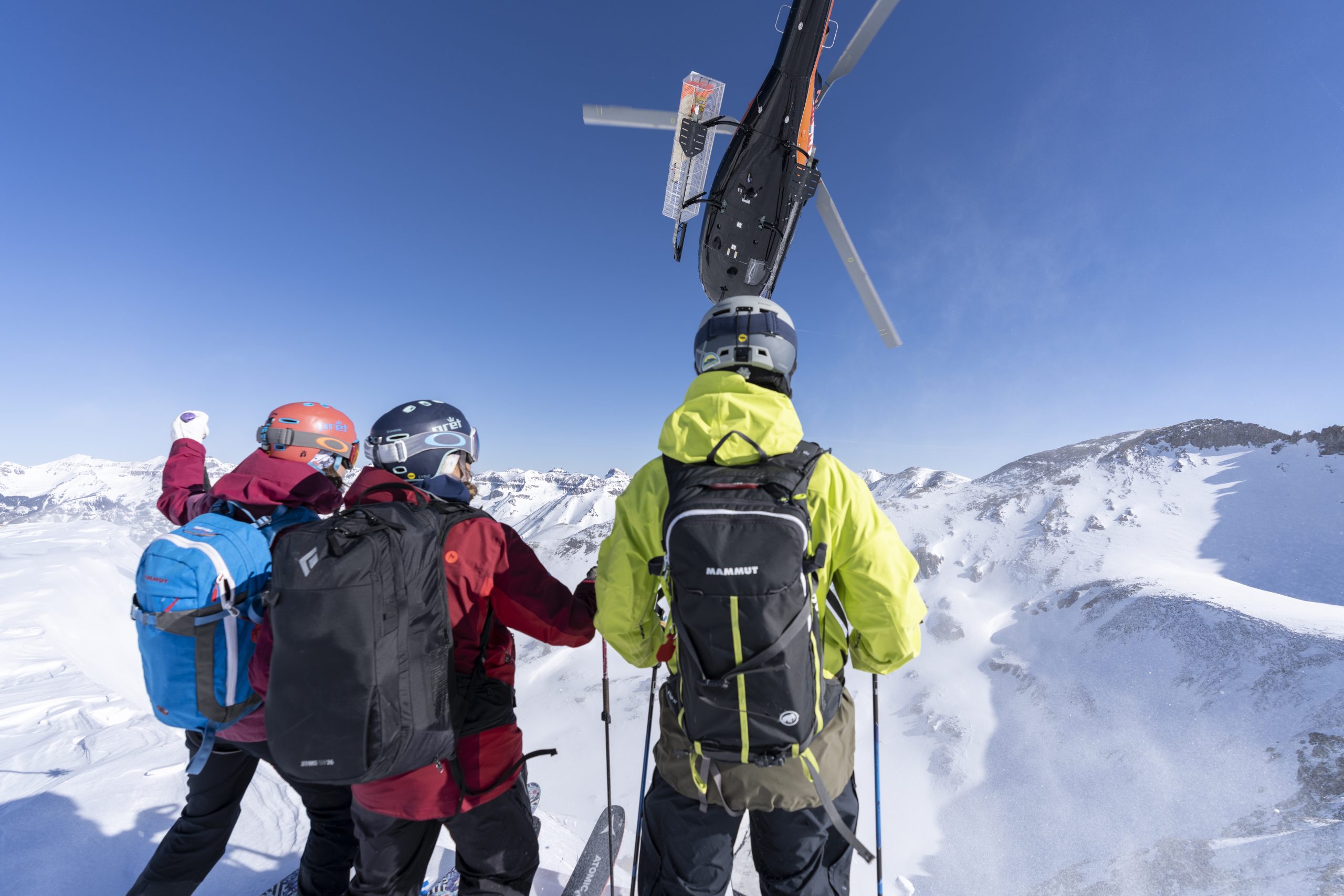
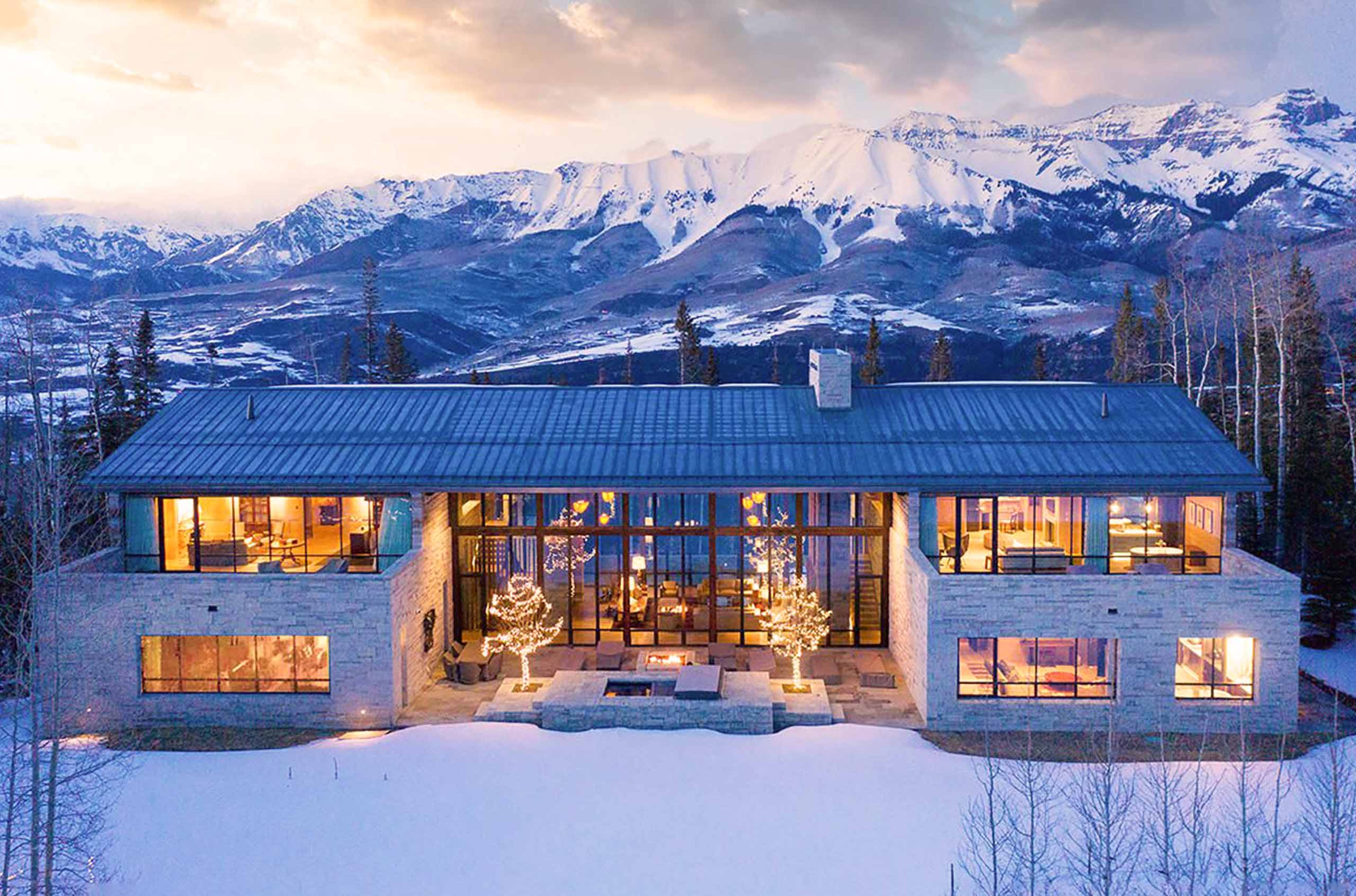
During my three-day odyssey, I don’t cross a single other ski track, but it’s the peace that is most startling. In this pocket of montane paradise, there is, literally, not a single sound—a stark contrast to the whirling fury of the chopper that transports me. My experienced guide Bill Allen won’t reveal who’s come before Robb Report. “You’d know their names,” he says, grinning.
And so the San Juans remain a secret to all but a fortunate few. Of all the luxuries the ultra-wealthy enjoy in the skiing ecosphere, the promise of untouched snow is by far the most enviable. Here in Colorado is where the white gold truly lies.
Photography: Kane Scheidegger (heli-skiing); Patrick Coulie (hut); Courtesy of Colorado Tourism Office (Hood Park Haven).
This article appears in the Autumn issue 2026 of Robb Report Australia New-Zealand. Click here to subscribe.
You may also like.


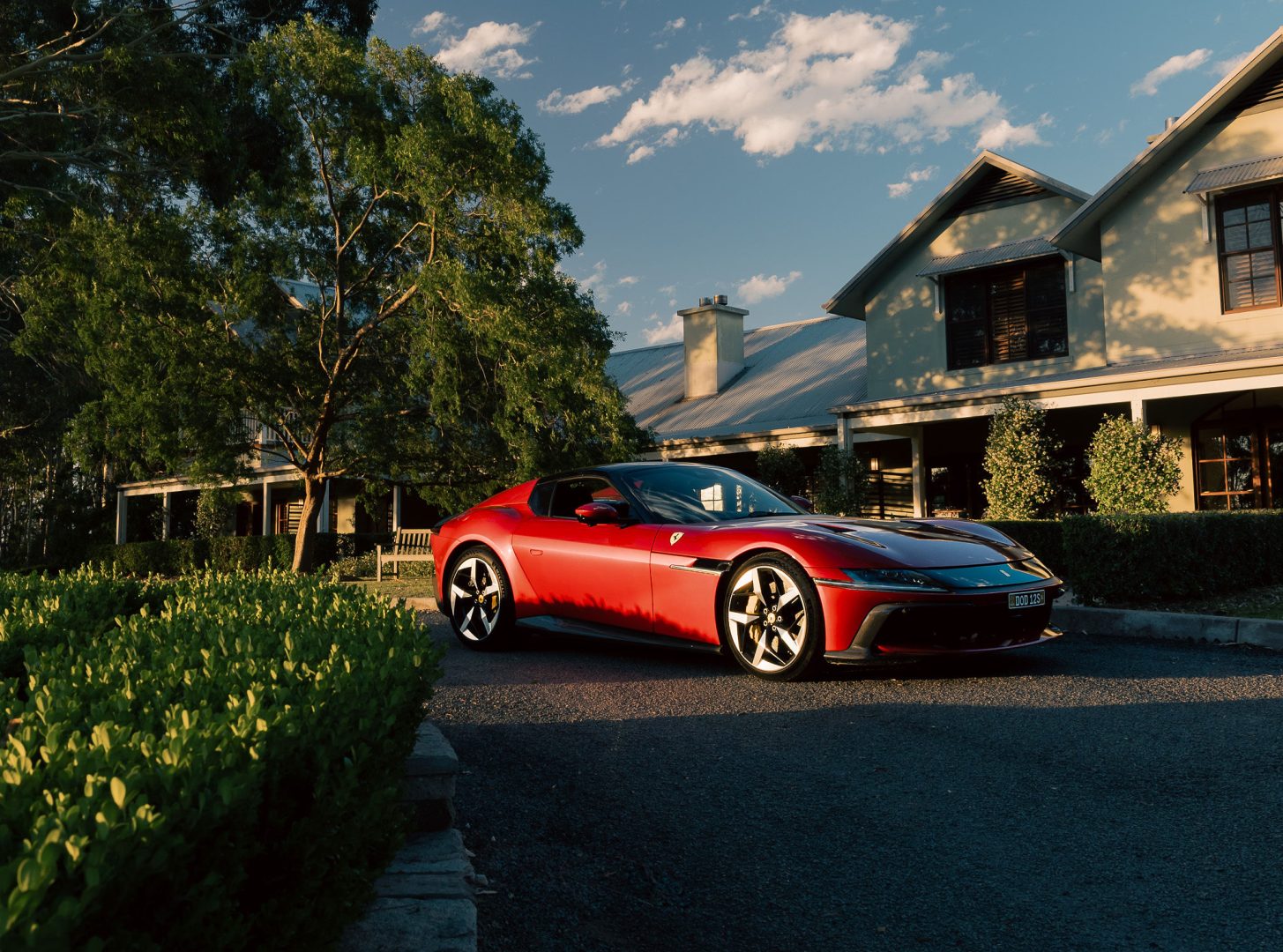
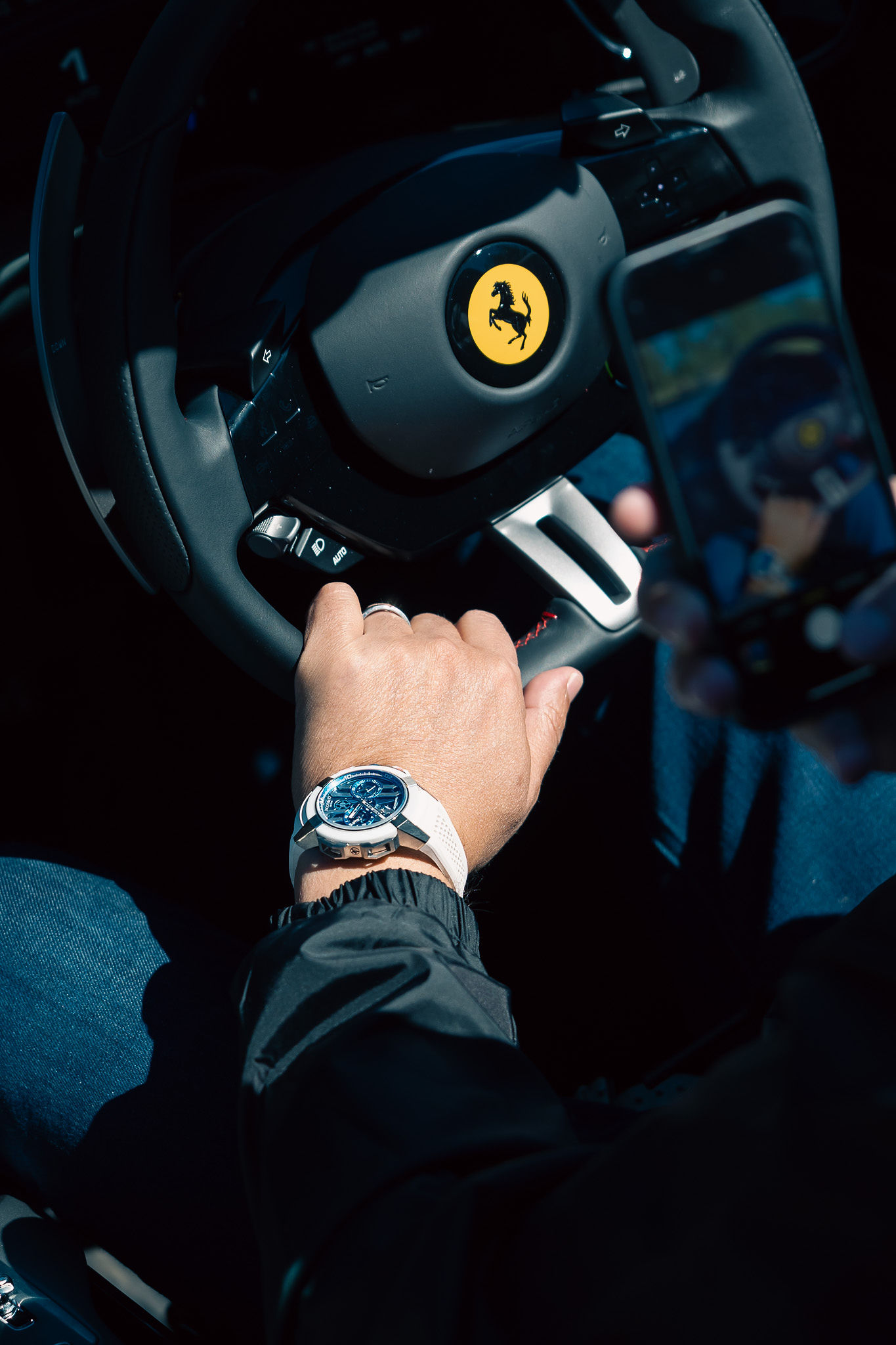
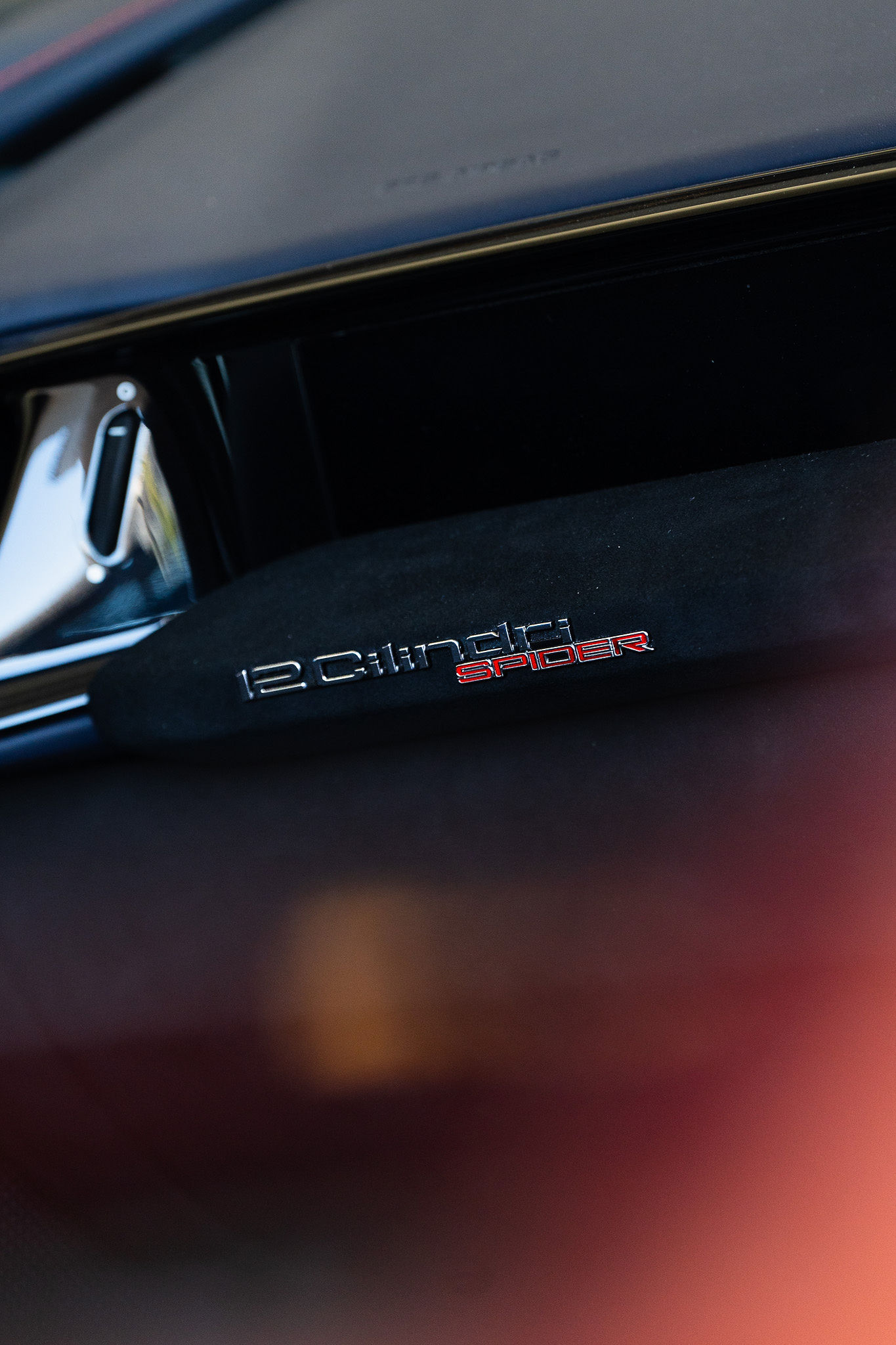
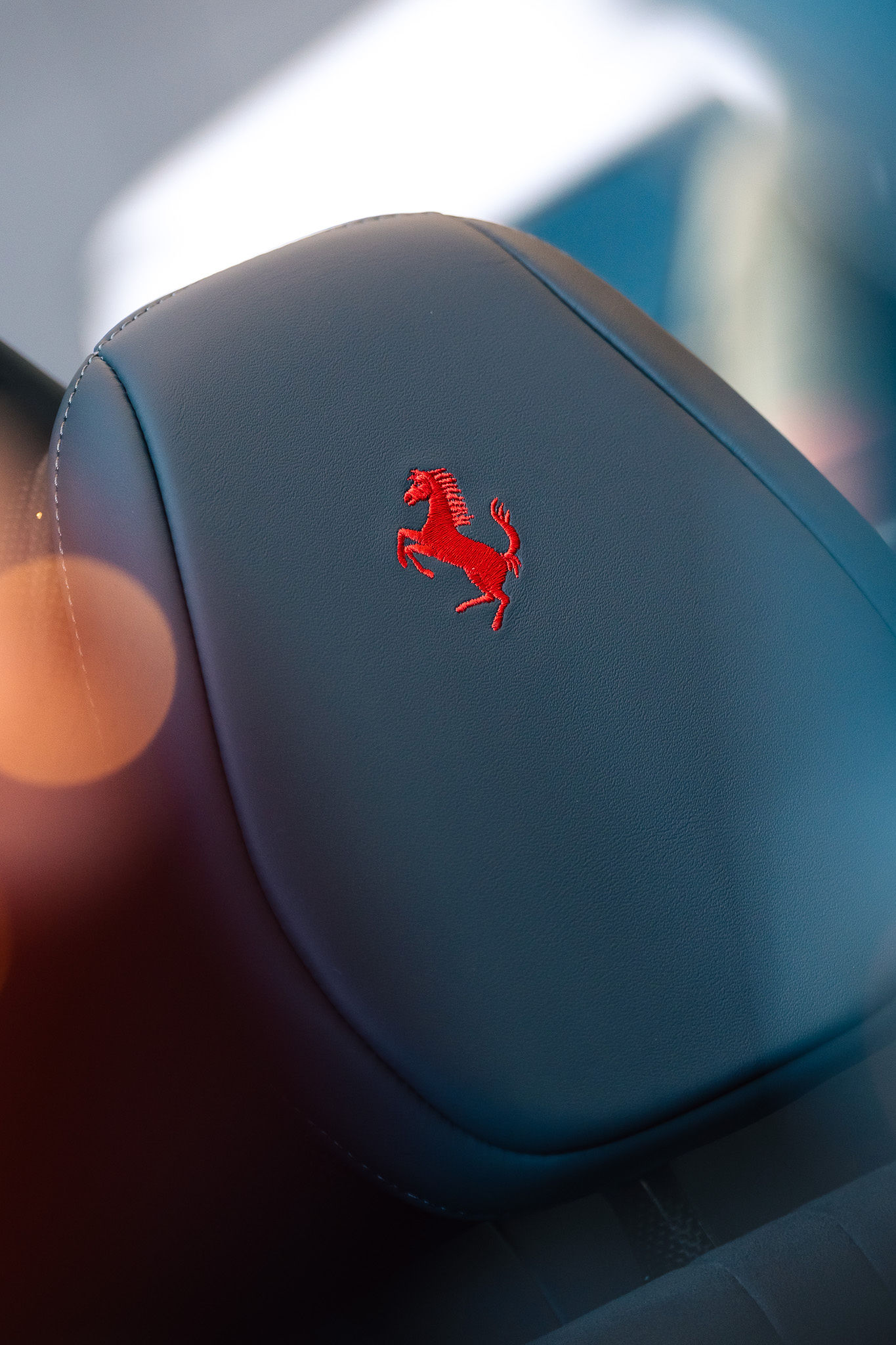
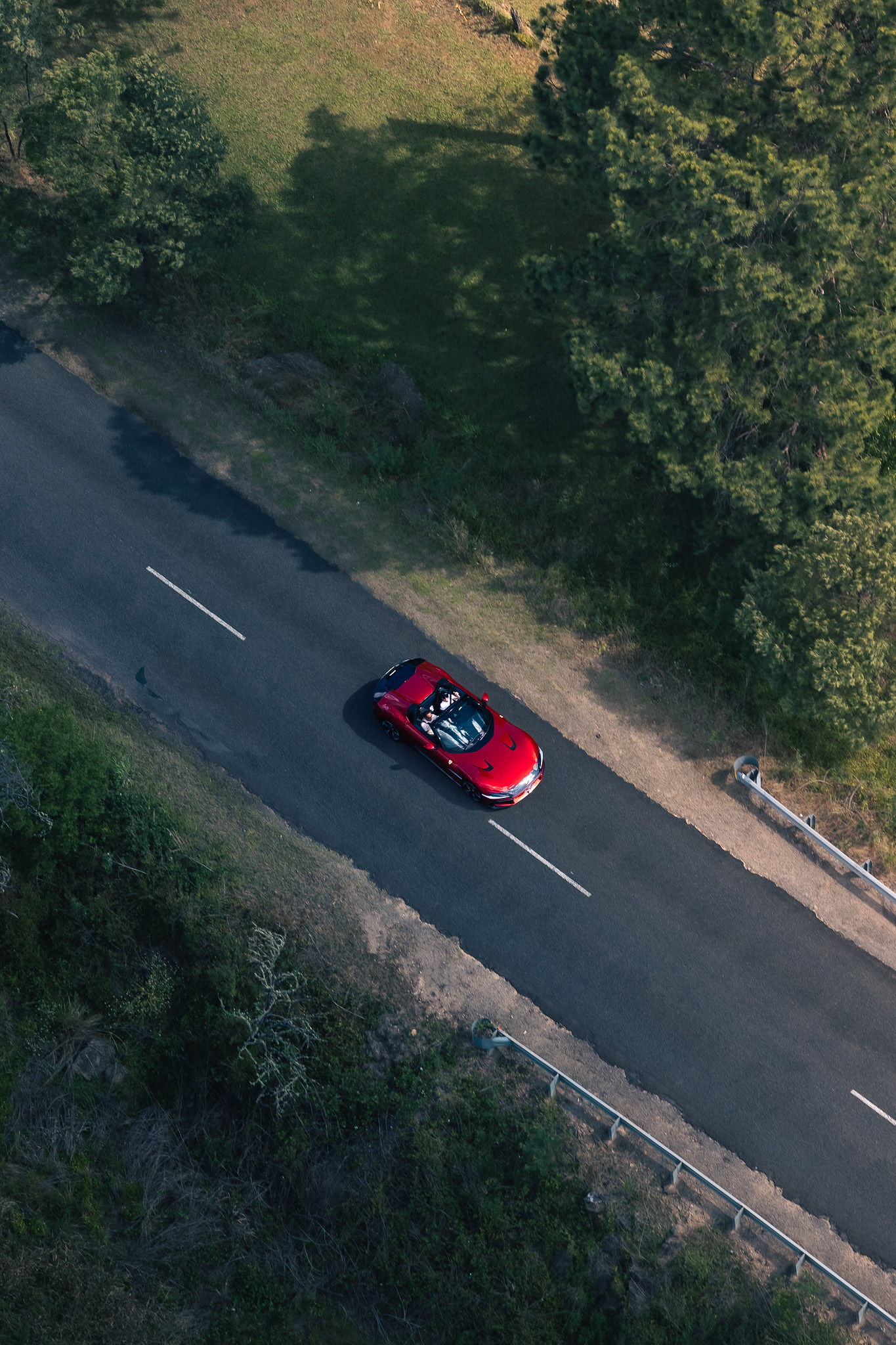
Best Combustion Supercar: Ferrari 12Cilindri Spider
A modern classic in the making, combining naturally aspirated power with elegant restraint to deliver performance that feels as refined as it is visceral.
In a year when carmakers of all persuasions sheepishly extended hyperbolic electric targets, it’s fitting that the monastic puritans of Maranello—who, lest we forget, won’t finally yield to the sin of battery power until October with the Elettrica—opted to make combustion their major power play.
As an uncertain future of AI omnipresence barrels towards us, the 12Cilindri—an analogue, open-topped tribute to Ferrari’s late-’60s/early-’70s grand tourer, the Daytona—represents a defiant fade into the past, a pause for breath, a fleeting return to The Good Times when nascent technology provoked excitement rather than existential dread.
Guiding this automotive nostalgia trip is, as the nomenclature suggests, a naturally aspirated 6.5-litre V12 engine, generating an unceasing wave of power as it sears towards the 9,500 rpm redline with relative nonchalance. That’s because the 12Cilindri is not a mouth-foaming attack-dog. It scales performance heights with the refinement of the finest Italian works of art; its “Bumpy Road” mode facilitates comfy al fresco GT cruising, and even the imperious powerplant is mannerly at most speeds.
For all the yesteryear romance, progressive technologies and engineering, such as a world-class 8-speed transmission, advanced electronic aids and independent four-wheel steering, are baked into the deal. The 12Cilindri’s clean, stark design somehow toggles between retro and modern; and while vaguely polarising, one can’t ignore its magnetic road presence.
In terms of aesthetics, Ferrari describes the 12Cilindri as being “ready for space”; in many ways, a fantasy vehicle that transports users to another dimension is probably what the world needs right now.
The Numbers
Engine: 6.5-litre V12
Power: 610kW
Torque: 678 Nm
Transmission: 8-speed dual-clutch auto
0-100 km/h: 2.95 seconds
Top speed: 340 km/h
Price: From $886,800
You may also like.


High and Low
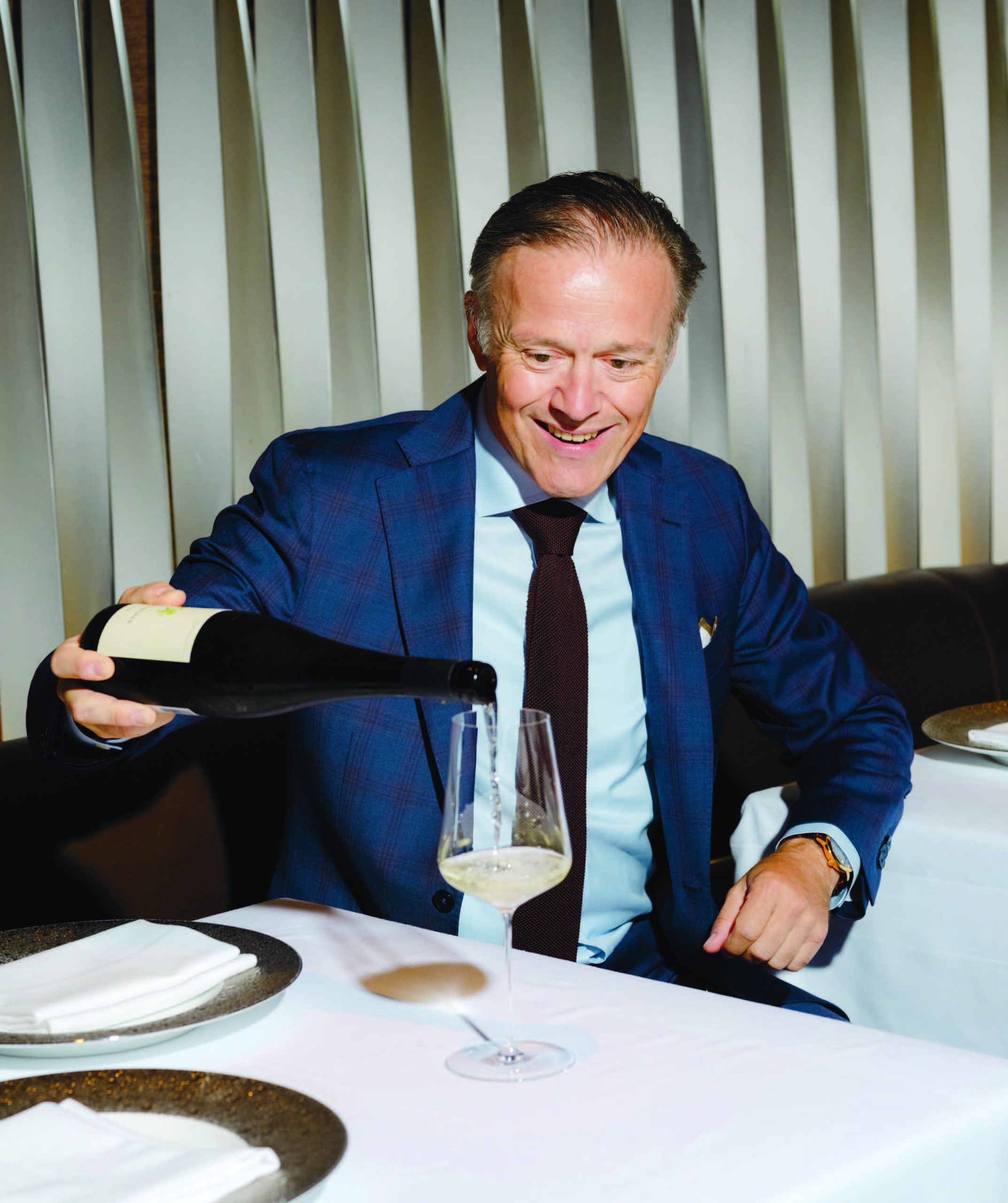
At Le Bernardin, Aldo Sohm oversees one of the most formidable cellars in fine dining. But on the beach, he’ll happily drink a cheap rosé. The world-class sommelier explains why taste—and humility—matter more than price.
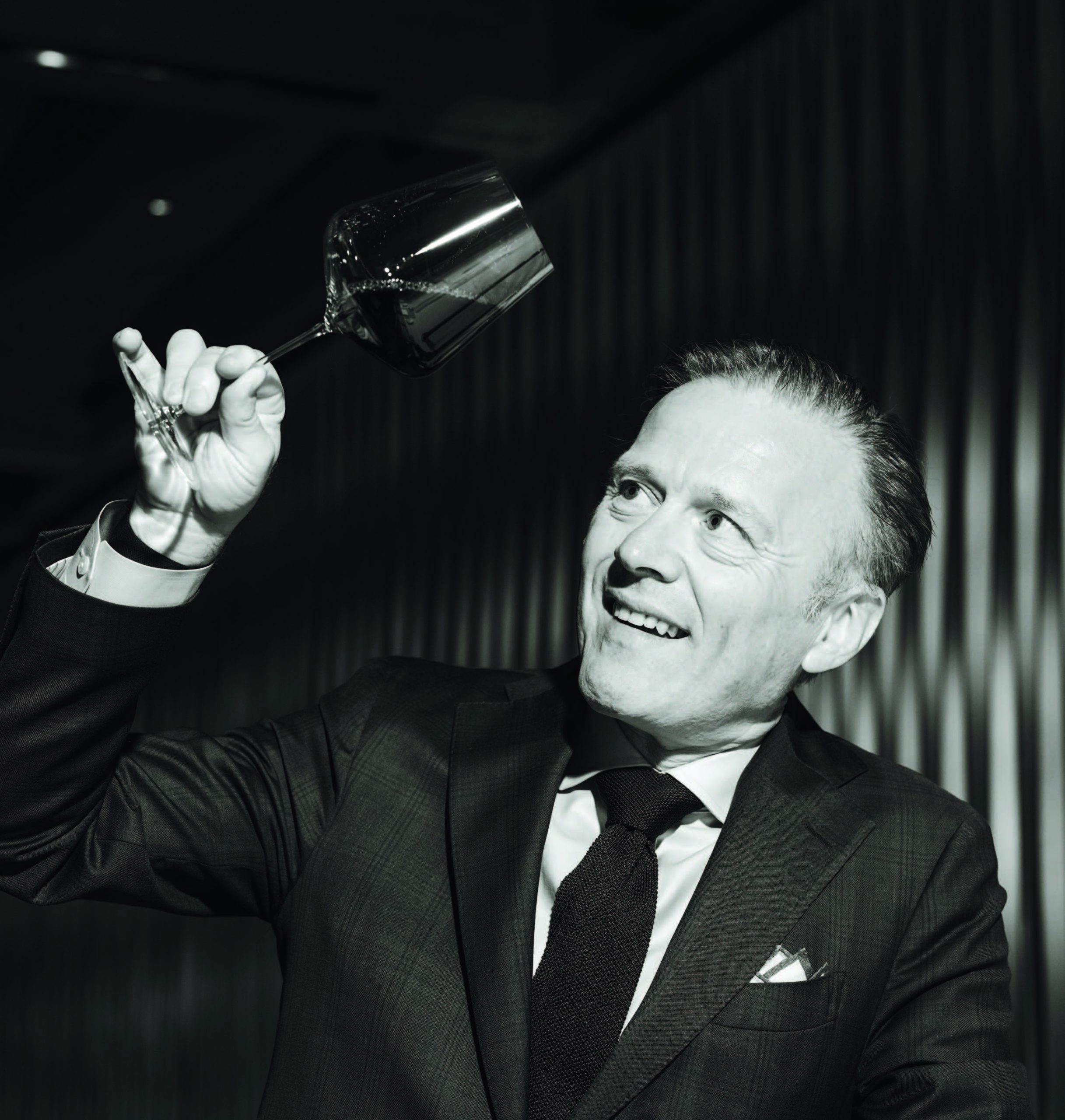
Aldo Sohm is one of the most accomplished sommeliers in the world. The 54-year-old Austrian heads up an oenophile’s empire on New York City’s West 51st Street, where he both serves as wine director at Michelin three-star Le Bernardin and leads his namesake wine bar, just across the road from the fine-dining institution. (He spends his time literally running back and forth between the two.) So it may come as a surprise that this man, who sips prized varietals all day, admits to the joys of a glass of Whispering Angel, a ubiquitous rosé that retails at stateside Target stores for US$22.99 (around $30) a bottle.
The context here is important; the aptly named Sohm is quick to clarify that he’s not about to start serving Whispering Angel as one of the pairings with chef Eric Ripert’s US$530 (around $750) eight-course tasting menu. But during a trip to the Caribbean for the Cayman Cookout food festival, Sohm’s wife requested a glass of rosé on the beach. When he went to fetch it, she specified that she wanted a cheap drop, not the fancy stuff that he likely would have grabbed. “I felt kind of gobsmacked, right?”
Sohm says as we’re sitting in the tasting room at Aldo Sohm Wine Bar. “Now, rather than just criticising, I have to admit: I got out of the water, and I tried Whispering Angel, too. It was delicious.”
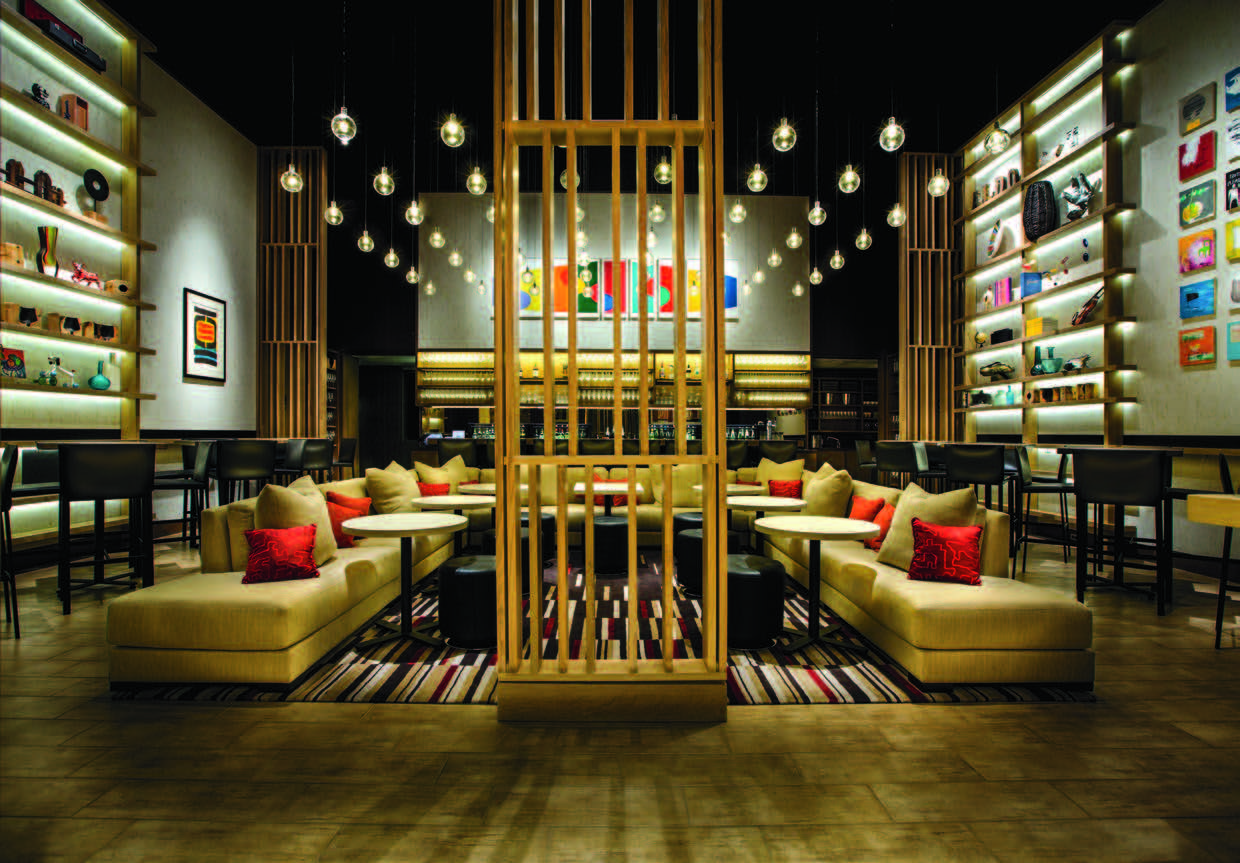
Unlikely as it may be, this humility is perhaps the key to Sohm’s success. His lack of self-seriousness makes him an anomaly in the oftentimes highfalutin world of fine wine. Rather than shaming you for your preferences, Sohm will indulge your desires. Maybe, as in the case of his wife, you’re going to be right. More likely than not, you’re going to be wrong. He won’t simply tell you that, though; he’ll use his encyclopedic knowledge of wine to subtly steer you in the right direction, allowing you to come to that conclusion on your own. “You just wake up from your dream—and mistake—and realise that, ‘Oh yeah, he’s right,’” says Ripert, who has worked with Sohm for almost two decades.
Sohm intended to move to New York for only 18 months. Growing up in Innsbruck, in the Austrian Alps, he wanted to be a helicopter pilot. Like many childhood fantasies, that didn’t come to fruition, and he settled on something more practical, becoming a teacher at a hospitality school. Having overcorrected—“That was way too boring for me,” he admits—he switched to the more public-facing side of the industry, getting a job as a restaurant server. It was then, when he was about 21, that Sohm fell in love with wine. (Prior to that, he was a self-proclaimed Bacardi and coke guy.)
After studying wine on his own time, he began his formal sommelier education in 1998. He rose quickly through the ranks and was named the best sommelier in Austria in 2002, a title he defended the following two years and reclaimed in 2006. Amid that stretch, he sojourned to New York in 2004 with the goal of improving his English to compete in international competitions. It paid off: four years later, he won the top prize from the World Sommelier Association. But more than the accolades, Sohm had discovered a career. By then, he had joined Le Bernardin after stints at Wallsé, Café Sabarsky and Blaue Gans—all Austrian restaurants in Manhattan.
“Back then we had a very strong French sommelier community, and they controlled everything,” he says. “And it was an uproar because how come an Austrian sommelier came to one of the most French restaurants?” He proved his bona fides, and in 2013 Ripert and Maguy Le Coze, the co-owners of Le Bernardin, approached him with the idea of partnering with them in a wine bar. It was Ripert who suggested putting the connoisseur’s name on it.
Aldo Sohm Wine Bar debuted the following year, with a team that Sohm handpicked. Sarah Thomas was part of that opening crew, after meeting Sohm during a fateful dinner at Le Bernardin with her cousins. When her relatives divulged to him that she was a sommelier in Pittsburgh, he proceeded to serve a blind tasting to Thomas. “He didn’t say what I got right or wrong. He didn’t care about that,” she tells me. “He just wanted to hear me talk about wine, I guess. So I did.”
When he offered her a job at the end of the meal, she laughed. Sohm didn’t. Thomas promptly packed up and moved to New York. After she spent about nine months at the wine bar, Sohm promoted her to Le Bernardin, where she worked for another five years. When she decided to start her own business—Kalamata’s Kitchen, which aims to teach kids about other cultures through food—Sohm was one of her earliest investors. He may have found full-time teaching to be too banal, but it’s still a huge part of what he does now, identifying the next generation of stars and giving them the guidance to grow into their own—whether that takes them into the upper echelons of fine dining or beyond the white tablecloths altogether.
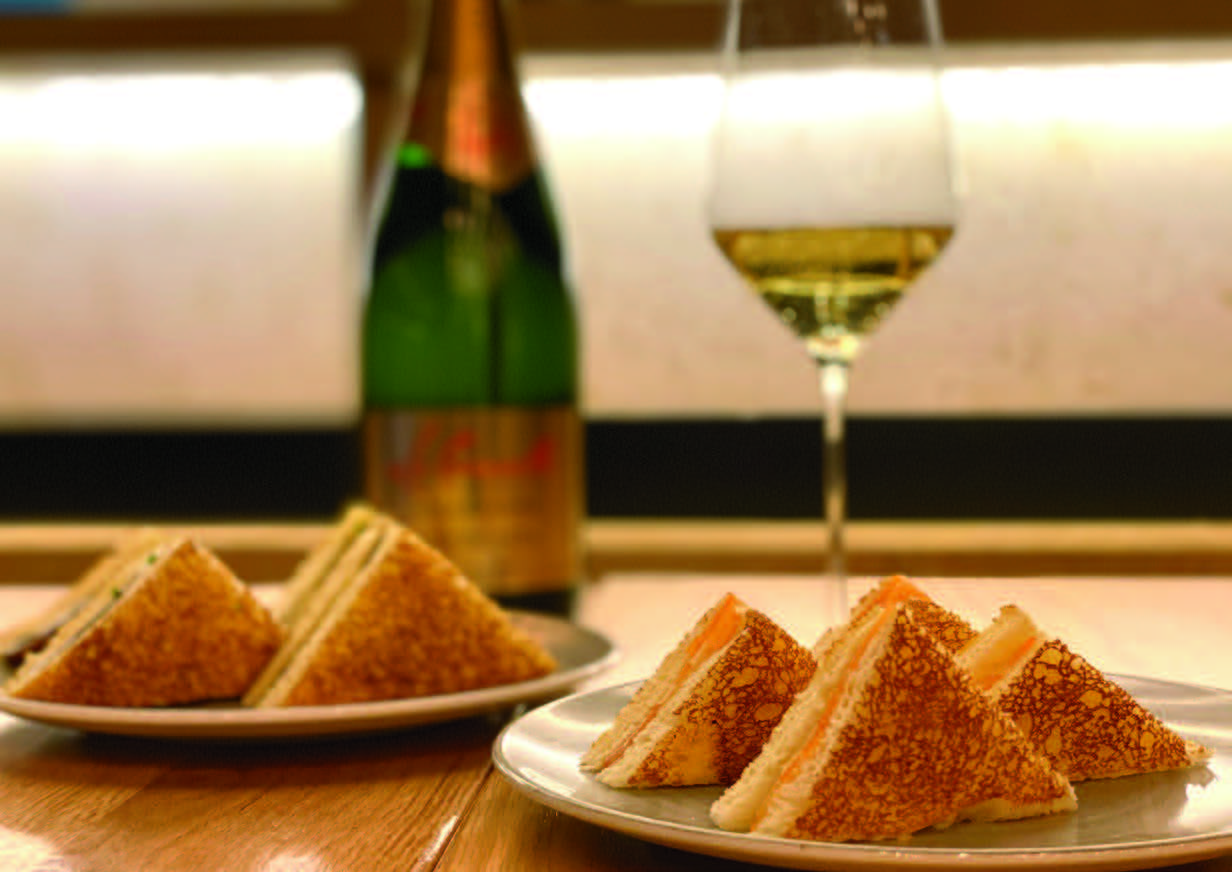
Overseeing two teams, at two very different spaces, feeds Sohm’s prodigious ambition. He’s on a mission to completely reshape the world of wine, from what’s in your glass to the glass itself to what you enjoy it with—say, Champagne with eggs. Along with his day jobs, he has partnered with the Austrian brand Zalto to create his own wineglasses. “As a sommelier, you criticise only, but you make nothing,” Sohm says. So, he also now wears the winemaker hat, producing a Grüner Veltliner under the Sohm & Kracher label, a relatively accessible quaff that’s a collaboration with his fellow countryman Gerhard Kracher. And in 2019 he added author to his résumé, releasing Wine Simple, a “totally approachable guide”, as the book’s subtitle puts it. He followed that up with Wine Simple: Perfect Pairings, to help you pick the right bottle for the right meal and the right moment.
“In wine pairings, you have three possible combinations,” Sohm says. “There’s the perfect pairing. Then sometimes you have flavours just going along… it’s like humans—they talk, they interact, but they never connect. And then there’s conflict.” It’s that first one he’s after every time.
“Sohm fell in love with wine when he was about 21. Prior to that, he was a self-proclaimed Bacardi and coke guy.”
Outside of the restaurant, the wine bar and the cellar, Sohm is an avid cyclist who owns six bikes, a number he admits is excessive—especially in New York City. Riding is what he credits with keeping him healthy, when so much of his time is spent eating and drinking—and drinking some more.
Still, despite the 18-year career at one of the world’s best restaurants, despite the top honours from his peers, despite the wine and the wineglasses and the wine books, Sohm doesn’t consider himself successful. Every day, he’s trying to figure out how he can self-correct. “I like what I do, so I go back home that night, think of things which I can improve,” he says. “I get annoyed when I make a mistake, but I improve the next day.”
His quest for perfection may never be over, but Sohm does concede that he’s happy—its own type of success. Sometimes he finds that happiness while sipping a glass of 1980 Domaine de la Romanée-Conti La Tâche, a bottle now so rare and coveted that he calls it “unattainable”. And sometimes, if to his chagrin, he finds it while drinking a mass-produced rosé on the beach.
Photography by Tori Latham
This article appears in the Autumn issue 2026 of Robb Report Australia New-Zealand. Click here to subscribe.
You may also like.


By Partner Post
23/10/2026
Going For Gold
Available in a range of shades and intensities, this metallic tone is still a first-place choice.
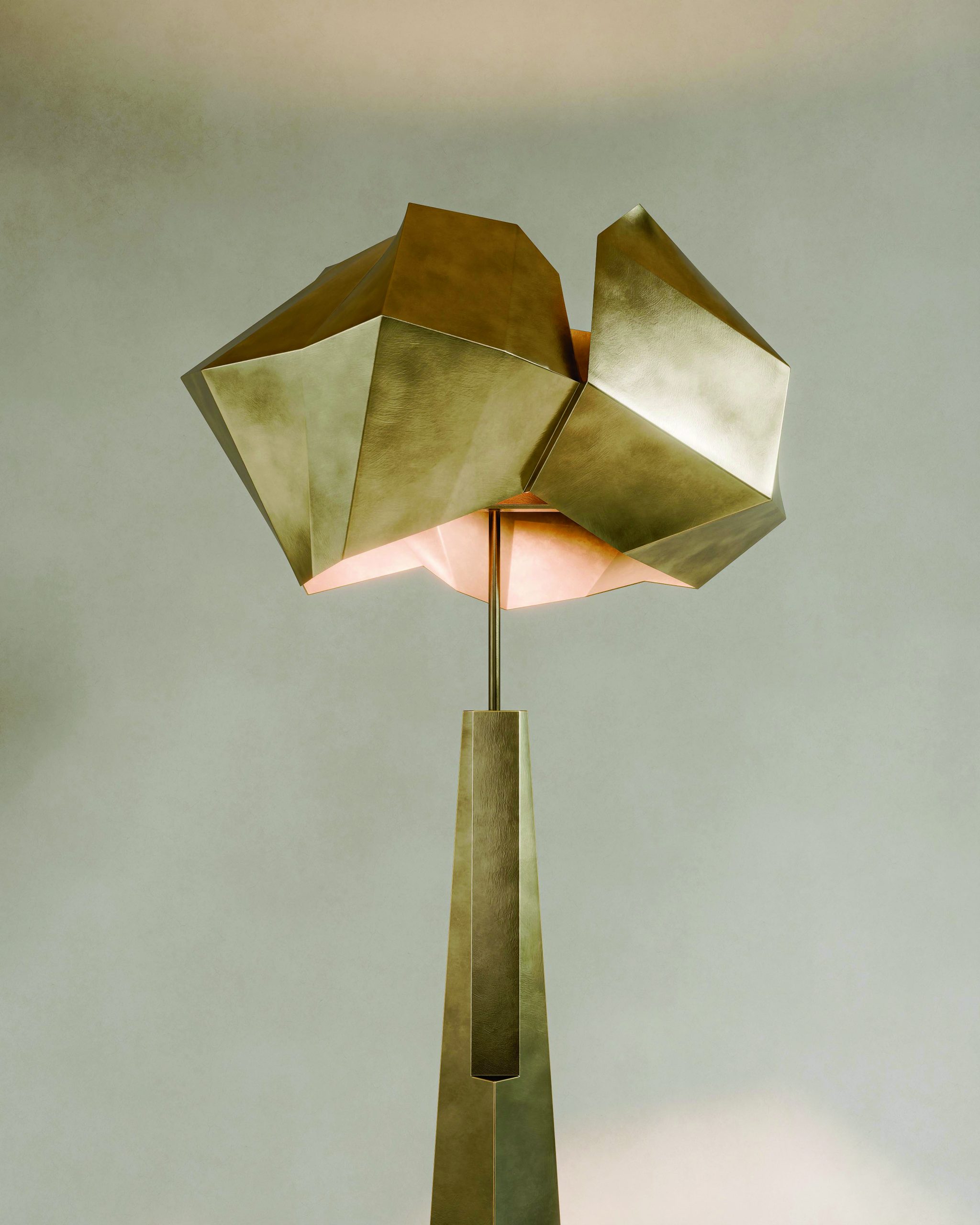
Above: Awakening 02, Sebastien Durelli Designed exclusively for StudioTwentySeven, Sebastien Durelli’s Awakening 02 floor lamp is available in a limited run of eight examples. Handcrafted in Italy from cast patinaed bronze, the striking piece takes inspiration from the naturally sculpted landscapes of Iceland, specifically the country’s glacial lagoons. The organic boulder-esque shade is rugged and elemental—like an exploded rock wrenched apart by seismic activity—while the base is sleek and symmetrical, providing visual balance in a deep bronze finish. From around $65,300
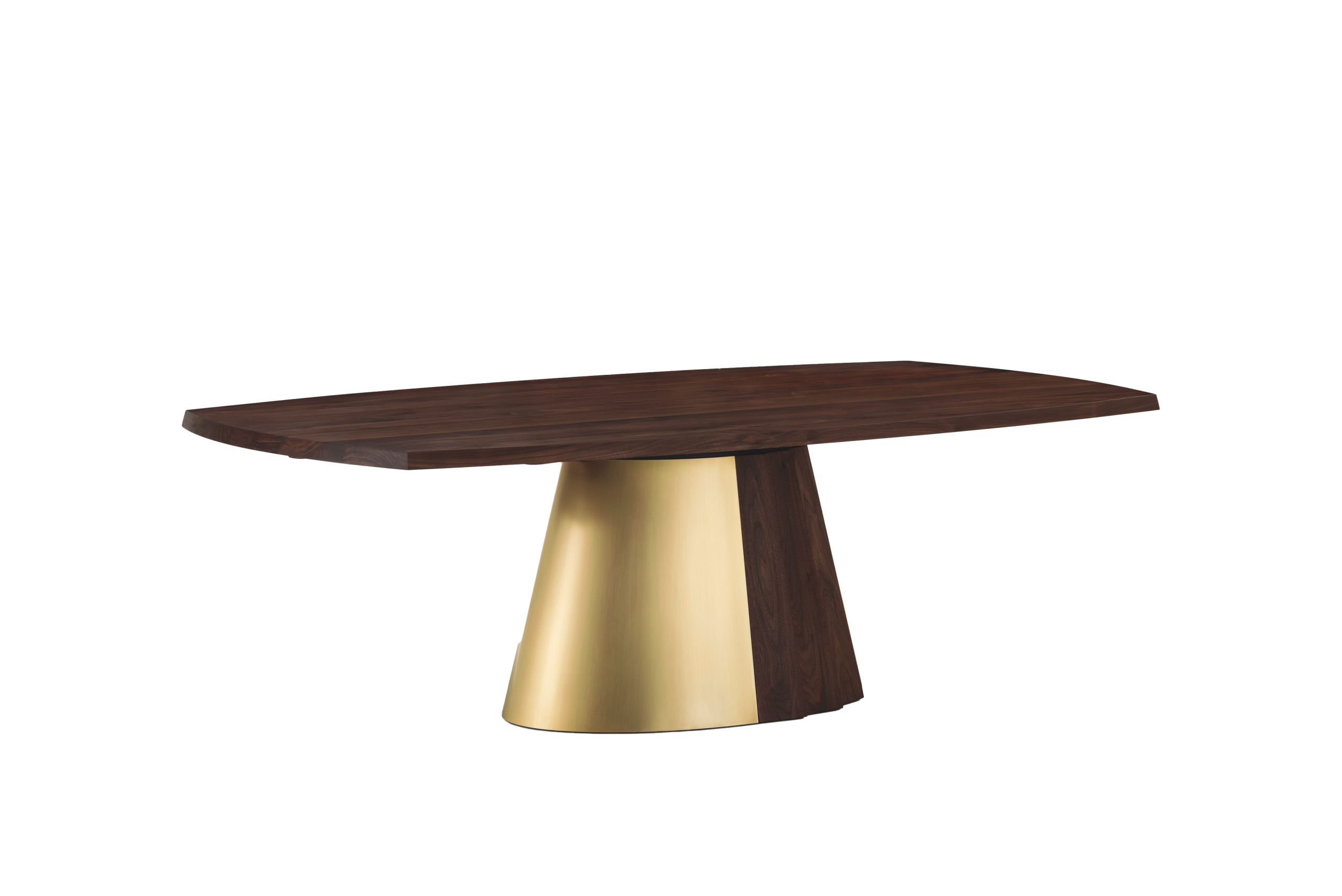
Above: Orion, De La Espada When it comes to the Orion dining table, the draw is in the details. Designed by Anthony Guerrée for De La Espada, this piece features a central base crafted from a series of overlapping wood slats—a textured moment that creates visual equilibrium with its smooth, curved-brass counterpart. A bona fide visual anchor, the Orion can be paired with thin-framed chairs for a sneak-peek view or heftier seats that provide a surprising reveal when guests sit down to dinner. From around $20,870
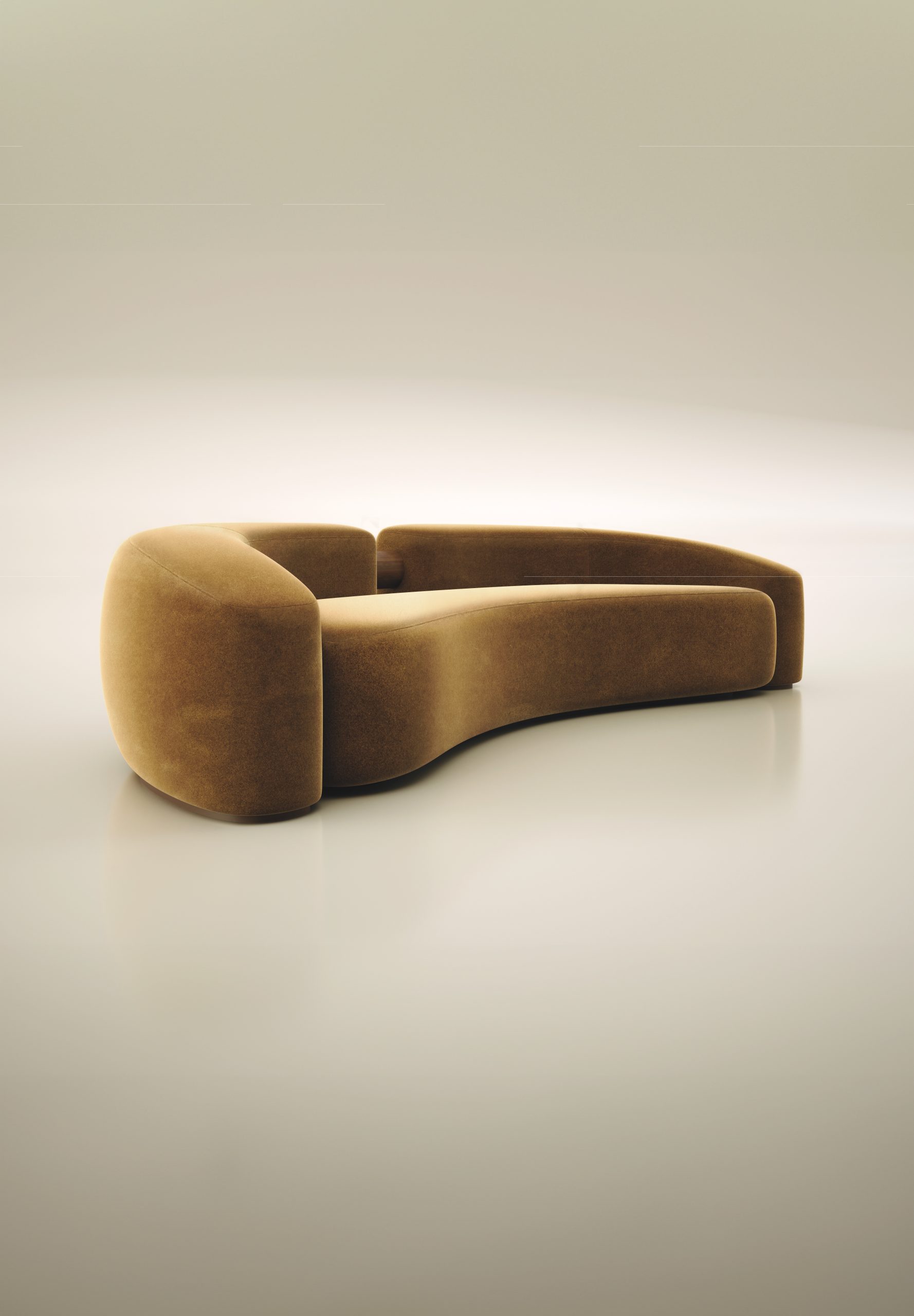
Above: LS35A, Luca Stefano This showstopper by Milan-based designer Luca Stefano is all curves. A sexy lounge sofa, seen here upholstered in Pierre Frey mohair with canaletto walnut details, the LS35A is available for customisation, but we think that this mossy-gold hue is incredibly chic, evoking the muted desert tones popular during the ’60s and ’70s. Around $66,280, as shown

Above: Jazz, Tom Bensari Part of master woodworker Tom Bensari’s Manhattan collection for StudioTwentySeven, the Jazz bookcase is an ode to the designer’s love of music. With edges that curve like brass instruments and shelves that skip like riffs, this unit is meticulously hand-built in Poland from oak and olive wood, with custom veneered interiors according to the client’s preference and a glowing finish that takes on a golden tint in just the right light. Around $29,320
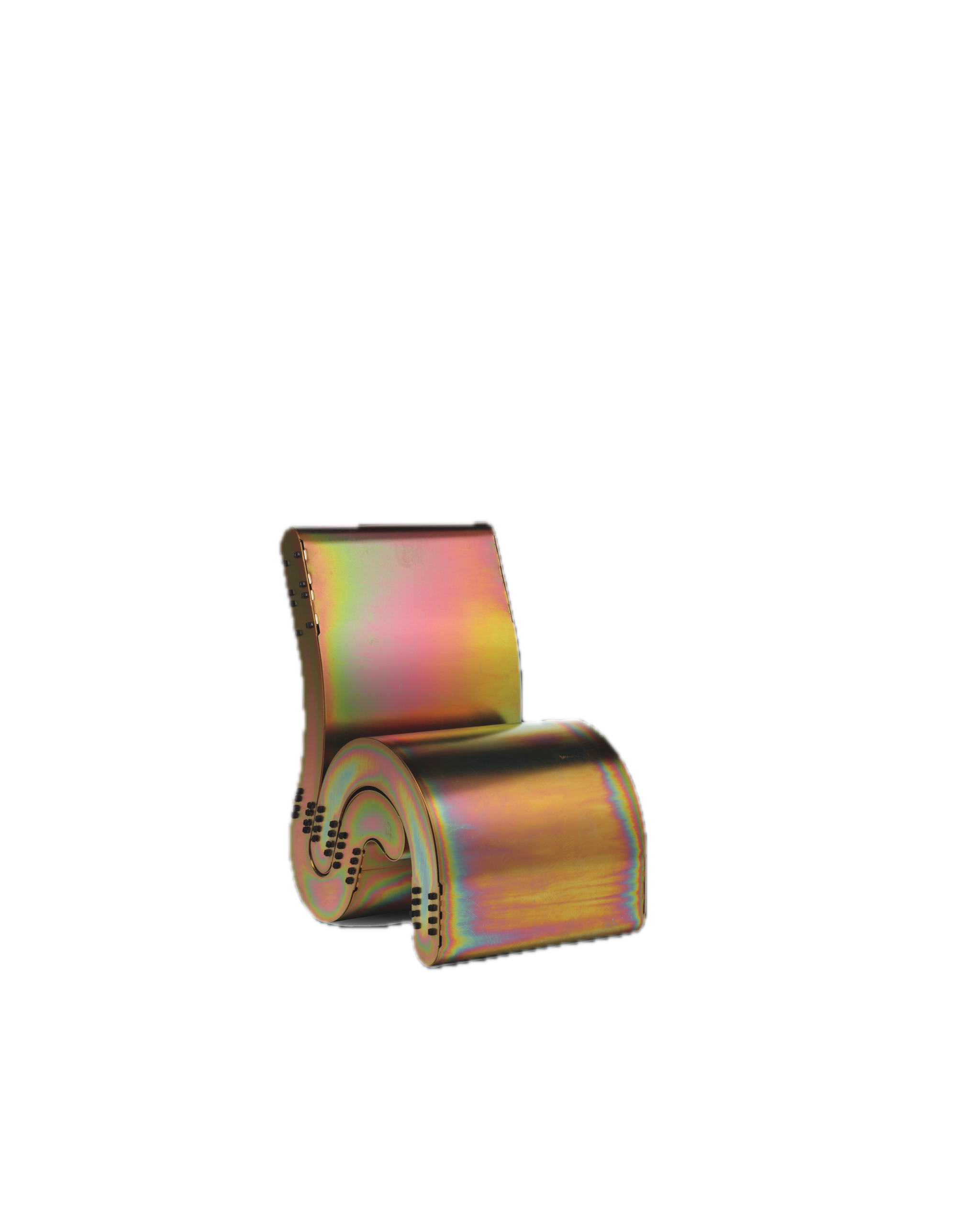
Above: Sleeper, Lucas Simões Last September at Christie’s in Los Angeles, Brazilian artist Lucas Simões unveiled his first furniture collection, Colendra. Presented in Lightness & Tension, an exhibition curated by roving gallerist Ulysses de Santi, Simões’s work is rooted in material exploration, as seen in the Sleeper chair, a curving steel form that suggests Brazilian midcentury modernism. A unique patina—which imparts the shimmery, rainbow-esque look of an oil slick—gives the piece a contemporary, artistic feel. Around $22,440
This article appears in the Autumn issue 2026 of Robb Report Australia New-Zealand. Click here to subscribe.