The Best Wellness Treatments in Japan’s Kansai Trio, From Private Onsens to Cutting-Edge Facials
Two hours outside Tokyo, the triangle between Kyoto, Osaka, and Nara offers plenty of hotel spas where you can enjoy some of the best restorative treatments the country has to offer.
Japanese hospitality is in a category all its own, and its 5-star properties set a global standard. Combine their care and innovation with the nation’s onsen surplus, and you’ve got every excuse to book a spa-centric luxury hotel on your next visit.
Hopefully, that visit includes a visit to the “Kansai Trio” of Kyoto, Nara, and Osaka. They’re all just two hours by train from Tokyo, in the same western direction—and each leg of the triangle is under 45 minutes by train.
Nara and Kyoto provide windows into Japan’s traditions, while Osaka is cut from Tokyo’s commercially modern cloth. And in terms of your best spa-centric hotel stays, each is a parallel to its respective city.
Here’s a look at the very best hotel spas and onsens you can experience between Kyoto, Nara, and Osaka, along with some advice on how to budget your days.
The Best Wellness Retreats in Kyoto
Photo : Six Senses Kyoto
In Kyoto, Japan’s living history breathes through cobblestone alleys and temple gardens. The photos you’ve seen are accurate: Imagine morning mist over bamboo groves and geisha shuffling through the alleys of Gion. While an actual street-view itinerary of Kyoto can be accomplished in a few days, I think it merits the longest stay of this trip because its hotels are an attraction of their own, and deserve the same dedicated time.
Soak Your Strains Away: Hotel The Mitsui Kyoto
Miyuki Kaneko/Nacasa & Partners
About the Hotel: Built on a centuries-old aristocratic estate, Hotel The Mitsui embodies Kyoto’s cultural duality of tradition and luxury. You could pass by it without realising it was there, if not for the 300-year-old, perfectly restored Kajiimiya Gate that greets visitors. This contrast of being tucked away while also showcasing such stately detail is what makes Hotel The Mitsui such a draw.
About the Spa and Wellness Program: I could talk solely about Hotel The Mitsui’s sprawling thermal spring basement, a massive onsen whose source is over 900 metres beneath the property. It’s a public space that is still easy to experience in solitude, though you can also book a 90 square metre private onsen room with Japanese garden views if you want total reprieve. As for their spa menu, HTM’s treatments include ancient Japanese Anma massage techniques and innovative facials, all centered around achieving balance through the Five Elements philosophy (metal, wood, water, fire, and earth). Or, in simple terms: I had one of the best scrub-massages of my life here.
Luxury, Refined and Redefined: Park Hyatt Kyoto
Park Hyatt Kyoto
About the Hotel: First things first: I’m willing to say that this hotel stay ranks in the top three all time for me. Perched in a corner of the historic Higashiyama neighborhood, the 70-key Park Hyatt Kyoto functions as a sanctuary from the crowds. The hillside retreat feels like a luxury guesthouse, its sophisticated and sprawling design is a case study in curating calm (never mind that it will take you four to five minutes to get from room to lounge because of the sprawl—you earn that remoteness in touristic Kyoto). Don’t pass the chance to stroll through the property’s jaw-dropping gardens, either; their designer also did the renowned Kodai-ji and Kennin-ji temple gardens.
About the Spa and Wellness Program: If I could crown any Japanese property with the best wellness experience menu, it would be Park Hyatt Kyoto. Its spa is humble in scope, especially considering the hotel’s sprawl, but the level of snore-inducing slumber I got from an A+ massage left a lasting impression. Still, I need to cite its bigger picture program: The guest services team curates bespoke experiences, with high-level access that you couldn’t otherwise dream up. For example, a tour of the private Sennyu-ji Temple, led by a Shingon monk, who also leads an Ajikan meditation session inside the temple. Guests also have the exclusive opportunity to partake in a private tea ceremony at the adjacent Michelin-starred restaurant Kyoyamato, a ritual so centering that the only appropriate follow-up is a zenful soak in the spa’s bathhouse.
An Urban Wellness Retreat: Six Senses Kyoto
Six Senses Kyoto
About the Hotel: This is Six Senses second urban retreat, following its property in Rome. Six Senses Kyoto offers the brand’s signature expansive wellness menu, modified to Kyoto’s tranquil nature. From meditative traditions, to deep connections with nature, to folklore design detail, Six Senses serves both serenity and levity to its guests.
About the Spa and Wellness Program: Start your program with a full-body wellness and bio-indicator exam; they’ll tally any of your ailments to arrive at a prescriptive treatment plan. I learned about my proneness to dehydration based on various factors, and we established ways that I can incorporate better circulation and balance into my daily regimen. You can opt for private water therapies, step into their gendered wet areas—but please, from their dozens-of-options menu, order the Omakase, which has them customise a massage program that suits your needs and preferences. Mine goes down as the most sustained stay of calm I’ve ever felt, and a level of full-body circulation comparable to a cold plunge. That all says nothing of Six Senses’s integration across their guest experience at every property, with centering and sensory services spanning these six staples: sleep, eat, spa, move, mindfulness, and grow. (That last one is for their menu of stimulating activities for the kids.)
The Best Wellness Retreat in Nara
RR-Japan-Kansai-Trio-Spas-Shisui-Inset
Photo : Marriott
Come for the now-famous bowing deer, stay for the UNESCO-listed temples. Japan’s first capital is home to a bronze Buddha inside Todai-ji’s wooden temple (humble Nara won’t brag, but it’s the country’s largest temple). Nara is often sidelined for overnight stays by the other corners of the Kansai trio, and this quietude is all the more reason to park yourself here for a couple of nights. In short, don’t sleep on Nara—sleep in Nara.
Tradition Meets Modern: Shisui, A Luxury Collection Hotel
Ralf Tooten
About the Hotel:Shisui is nestled next to Nara Park (yes, the famous “bowing deer” park) and is surrounded by World Heritage temples and shrines. It’s a humble hotel, with a restraint that reflects Nara’s serenity. Its main building was, for a century, the residence of Nara’s governor (and one room is roped off, museum-like, since it is the site where Emperor Showa signed the ratification documents for the Japan-U.S. Security Treaty in 1951). Renowned Japanese architect Kengo Kuma led a recent renovation of the residence ahead of the hotel’s 2023 opening. He preserved the property’s Taisho-era architecture and built out its new guest wings.
About the Spa and Wellness Program: There’s a quaint two-room treatment hut outside the guest wing of Shisui, where staff will audit your ailments with traditional Oriental methods that triangulate between blood flow, water levels, and xi (like chi). The numbers reconfirmed that circulation was my main concern, so my treatment was decided upon: A sound bath to harmonise circulation, lymphatic drainage for a reset, and a deep tissue massage to work out the kinks. It was all preceded by a private onsen bath—a feature that also exists inside many of their guest rooms, for what it’s worth. Yes, we took multiple onsen baths a day, without even having to leave the privacy of our abode. And when we did step out, we were at the gates of Todai-ji temple and Nara Park’s verdant, stress-lifting sprawl, bowing deer and all.
The Best Wellness Retreat in Osaka
RR-Japan-Kansai-Trio-Spas-Intercontinental-Osaka
Photo : Intercontinental Osaka
Osaka complements Kyoto and Nara’s more traditional aspects with raw urban energy: think ambitious architecture, impossibly large malls, and a world-class culinary scene. And, compared to the dazzling Tokyo, Osaka has this raw authenticity and a merchant spirit (perhaps more similar to Seoul), which makes it Japan’s street food capital. Still, despite its size, most tourists should feel satisfied by a short hotel stay here; perhaps budget two to three nights before heading to the other corners of this itinerary.
Award-Winning Hospitality: The InterContinental Osaka
About the Hotel:The InterContinental captures Osaka’s dynamic energy and culinary prowess. With sweeping skyline views and Michelin-starred menus, it’s the perfect base to explore this commercial capital.
About the Spa and Wellness Program: World-class is an understatement; the Meguri Spa at InterContinental Osaka is one of the most decorated and lauded spas in Japan, having won multiple World Luxury Spa Awards. And on first impression, you’ll understand why: The entire facility is built with beautiful, warming aesthetics that underscore how at ease the staff wants you to feel. Try the Five Elements treatment, crafted to balance our chi.
Is there anything more sumptuous than a Parisian hotel? Here are 10 of the best luxury stays in the city, with plenty of views of the Eiffel Tower to go around.
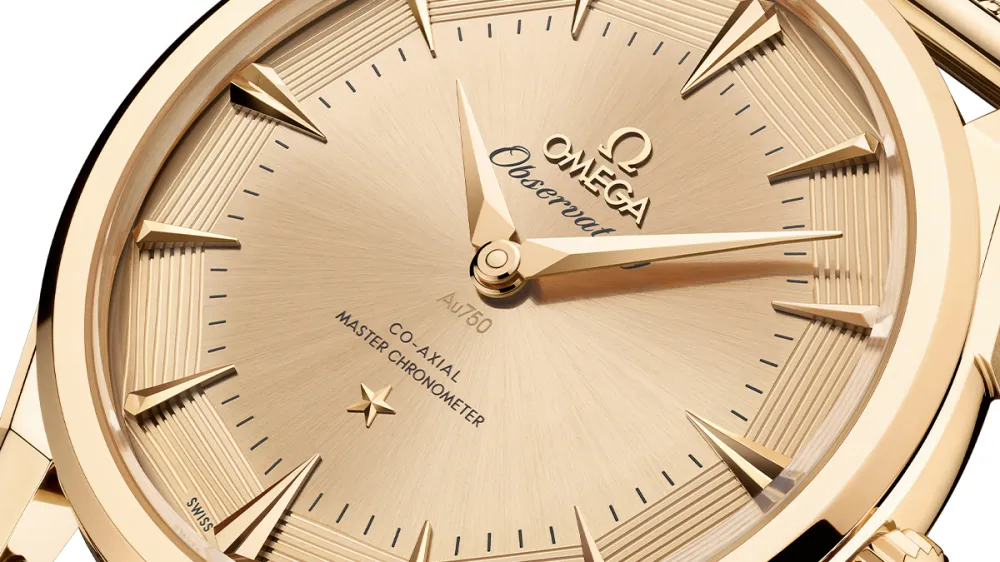
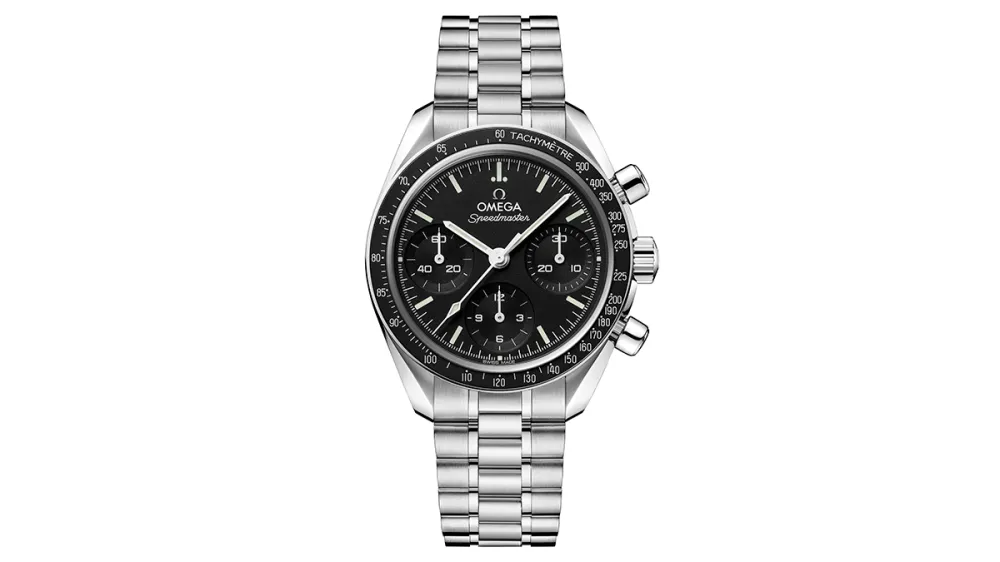
The Swiss watchmaker just unveiled its new Constellation Observatory Collection today, the next step in its Constellation lineage and the first two-hand hour and minute timepieces to ever earn Master Chronometer certification. And if you were paying attention to any of the dazzling watches spotted at the Oscars this year, you would’ve caught a glimpse of the new line already: Sinners star Delroy Lindo rocked one of the models on the Academy Awards red carpet, giving us a pre-release preview of the collection.
Developed at Omega’s new Laboratoire de Précision (its chronometer testing lab open to all brands), the collection houses a set of nine 39.4 mm watches. The watches underwent 25 days of scrutiny there, analysed via a new acoustic testing method that recorded every sound emitted from the timepiece to track irregularities, temperature sensitivities, and more in the name of all things precision. (Details such as water resistance and power reserve are also thoroughly examined.) This meticulous process is all in the name of snagging that Master Chronometer label, meaning that the timepiece is highly accurate and surpasses the threshold for ultra-high performance. The Constellation Observatory Collection has now changed the game, though, thanks to its lack of a seconds hand.
A watch from the Constellation Observatory Collection, with the Observatory dome on display. Omega
“Until now, precision certification has required a seconds hand,” Raynald Aeschlimann, president and CEO of OMEGA, said in a press statement. “The development of a new acoustic testing methodology has made that requirement obsolete. It is this breakthrough that has enabled us to present the Constellation Observatory, the first two-hand watch to achieve Master Chronometer certification.”
In addition to notching its place in history, the collection also debuted a new pair of movements: the Calibre 8915 and the Calibre 8914, each perched on a skeletonised rotor base. The former’s Grand Luxe iteration will appear on the 950 Platinum-Gold model in the collection, which offers up that base in 18-karat Sedna Gold alongside a Constellation medallion in 18-karat white gold with an Observatory dome done in white opal enamel surrounded by stars. The second Calibre 8915, the Luxe, will find its home on the other precious-metal models in the line, either made with the brand’s 18-karat Sedna, Moonshine, or Canopus gold seen across the case, the hand-guilloché dial, and, of course, the movement itself. (Lindo chose to rock the Moonshine Gold on Moonshine Gold iteration, priced at approximately $86,000, for Sinners‘s big night at the Oscars.) As for the Calibre 8914, it can be found in the collection’s four steel models.

A look at a gold case-back from the collection. Omega
Each model is a callback to myriad design features on past Omega models. That two-hand dial, for one, comes from the 1948 Centenary (the brand’s first chronometer-certified automatic wristwatch), while the pie-pan dial (seen in various blue, green, and golden hues throughout the line) and that Constellation medallion caseback both appear on watches from 1952. The star adorning the space above 6 o’clock also harks back to 1950s timepieces from Omega. And to finish off the look, you can opt for alligator straps in a variety of colours, or perhaps a gold iteration to match the precious-metal models; the brick-like pattern on the 18-karat Moonshine bracelet was also inspired by Omega watches from the ’50s.
We’ll have to keep our eyes peeled for any other Constellation Observatory timepieces (or any other unreleased models from the brand) at the rest of the star-studded events headed our way this year—perhaps the Met Gala?
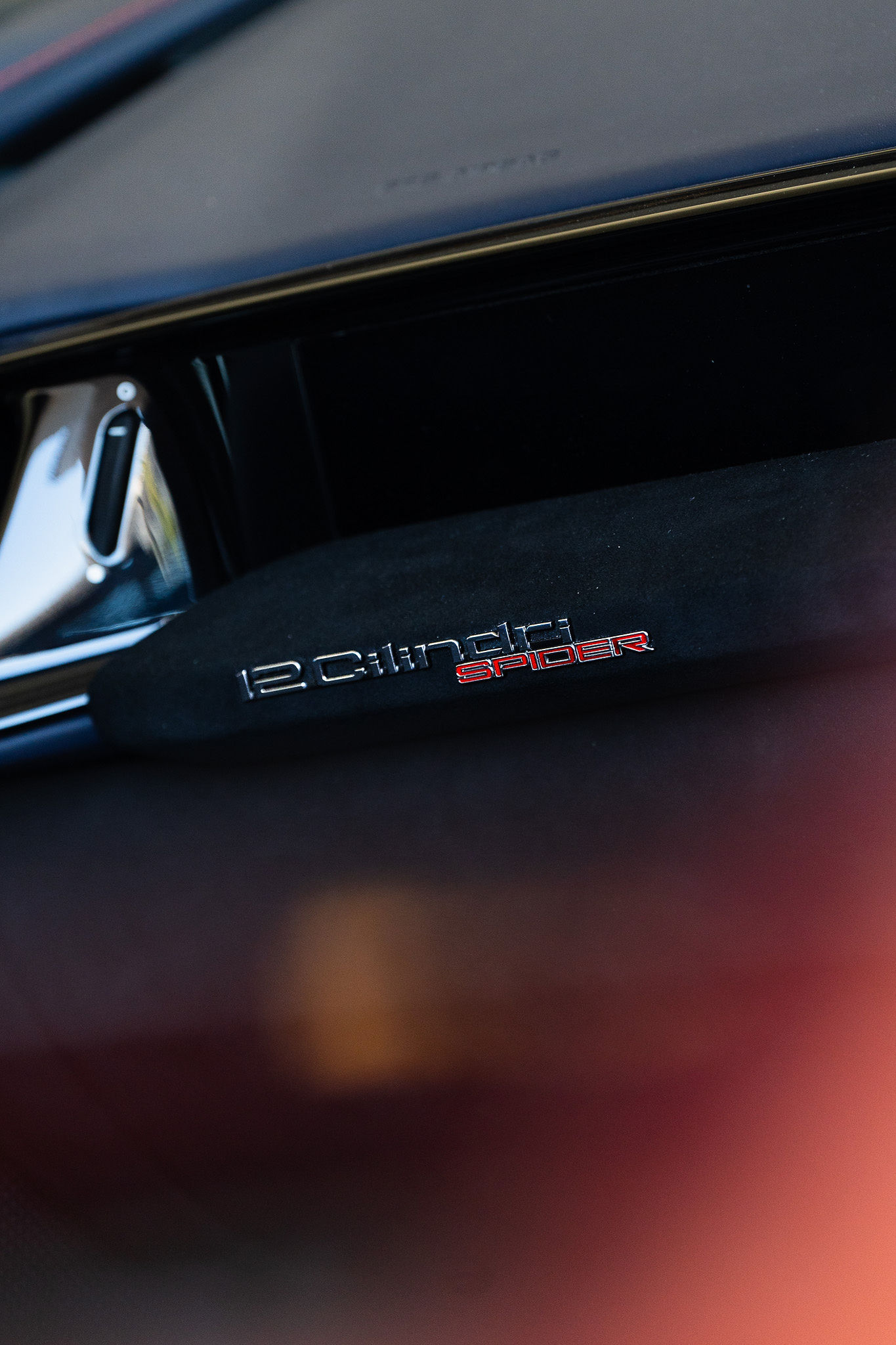
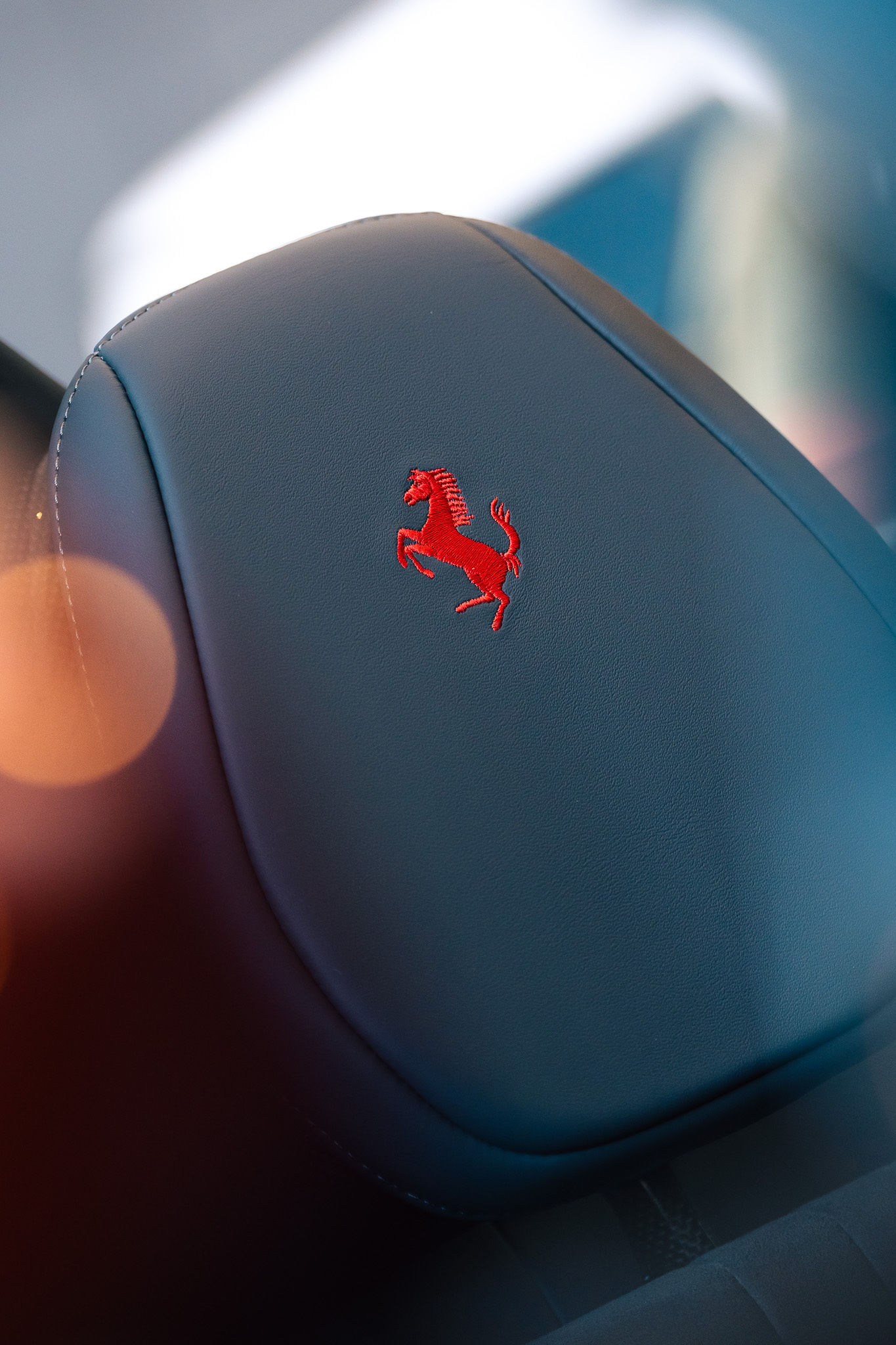
A modern classic in the making, combining naturally aspirated power with elegant restraint to deliver performance that feels as refined as it is visceral.
In a year when carmakers of all persuasions sheepishly extended hyperbolic electric targets, it’s fitting that the monastic puritans of Maranello—who, lest we forget, won’t finally yield to the sin of battery power until October with the Elettrica—opted to make combustion their major power play.
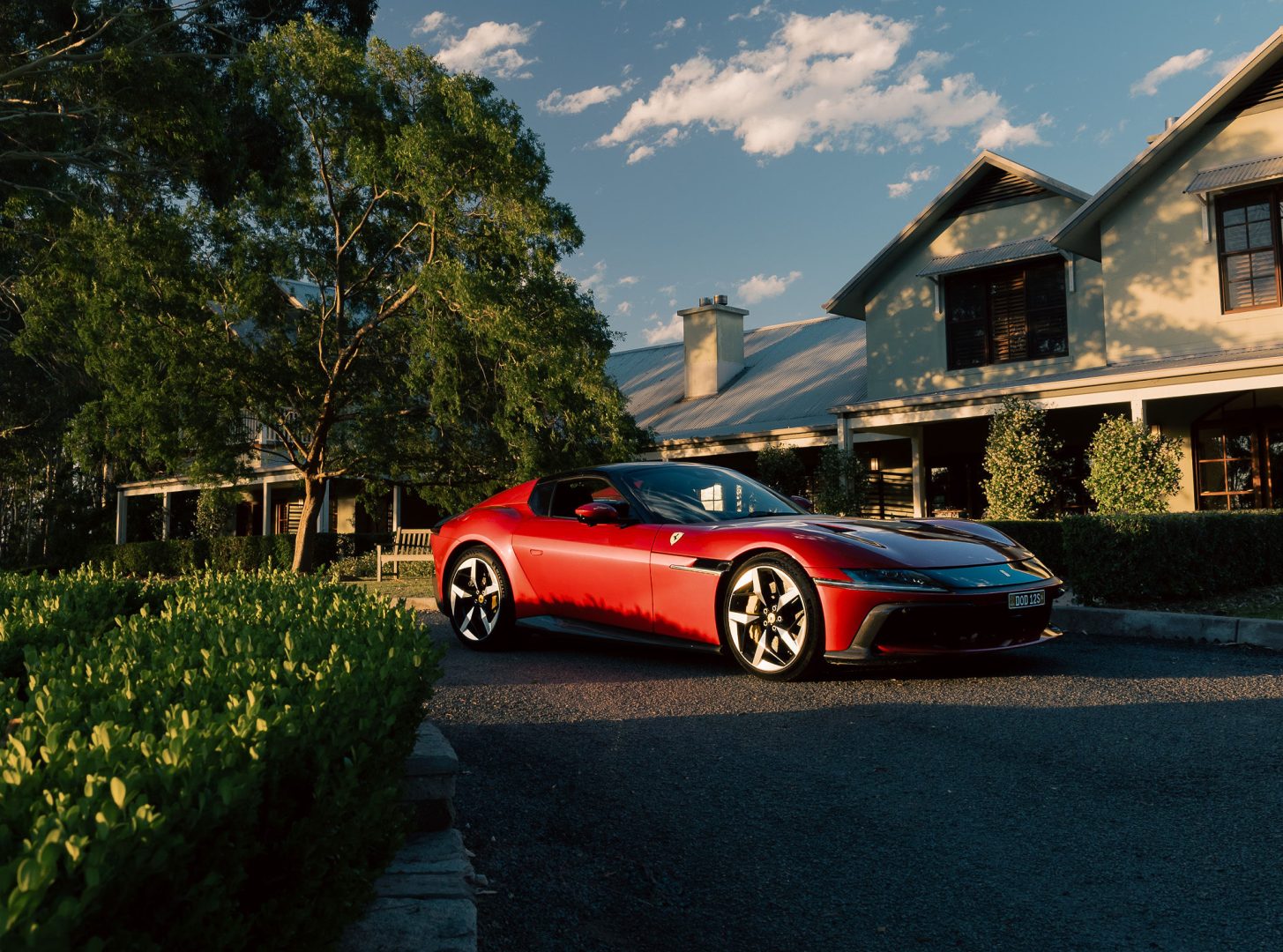
As an uncertain future of AI omnipresence barrels towards us, the 12Cilindri—an analogue, open-topped tribute to Ferrari’s late-’60s/early-’70s grand tourer, the Daytona—represents a defiant fade into the past, a pause for breath, a fleeting return to The Good Times when nascent technology provoked excitement rather than existential dread.
Guiding this automotive nostalgia trip is, as the nomenclature suggests, a naturally aspirated 6.5-litre V12 engine, generating an unceasing wave of power as it sears towards the 9,500 rpm redline with relative nonchalance. That’s because the 12Cilindri is not a mouth-foaming attack-dog. It scales performance heights with the refinement of the finest Italian works of art; its “Bumpy Road” mode facilitates comfy al fresco GT cruising, and even the imperious powerplant is mannerly at most speeds.
For all the yesteryear romance, progressive technologies and engineering, such as a world-class 8-speed transmission, advanced electronic aids and independent four-wheel steering, are baked into the deal. The 12Cilindri’s clean, stark design somehow toggles between retro and modern; and while vaguely polarising, one can’t ignore its magnetic road presence.
In terms of aesthetics, Ferrari describes the 12Cilindri as being “ready for space”; in many ways, a fantasy vehicle that transports users to another dimension is probably what the world needs right now.
On the fourth floor of Westfield Sydney, near the Castlereagh and Market Street entrance—in the space formerly occupied by Chanel—Loro Piana has opened its first Australian boutique. It is a significant address change for that corner of the mall, and a meaningful one for the Italian house, which has sourced Australian merino wool for decades but until now had no retail presence here.
The facade is understated—creamy, tactile, more about texture than theatre. Inside, the store unfolds across a single, expansive level divided into distinct men’s and women’s wings. The separation is clear without being heavy-handed: womenswear leads from soft accessories and leather goods into ready-to-wear, while menswear occupies its own assured territory, with tailoring and outerwear given proper breathing room. Footwear (supple loafers, luxurious slides, pared-back sneakers) is particularly strong, and the sunglasses are a quiet standout: mineral-toned frames with a disciplined elegance that feels entirely of the house.
That same restraint carries into the interiors, where the surfaces do much of the talking. Walls are wrapped in the company’s own linen and cashmere; carpets are custom, dense underfoot, softening the acoustics and the pace. Oak and carabottino wood add warmth without fuss; marble accents introduce a cool counterpoint. The effect is a composed space calibrated around material, proportion and restraint.
The Spring 2026 collection now in store underscores that sensibility. Silhouettes are elongated and fluid; cashmere, silk and featherweight merino move in sandy neutrals, creams and muddied earth tones, with flashes of marigold and pale turquoise breaking the calm. Tailoring is softly structured and projects confidence without aggression. Leather goods arrive in buttery skins that feel almost pre-lived, as though time has already worked its magic.
What distinguishes Loro Piana, particularly in a market that has grown noisier by the season, is its refusal to perform luxury in an obvious register. There are no oversized insignias telegraphing allegiance. Instead, the status is encoded in fibre count, in hand-feel, in how a coat hangs from the shoulder. It assumes the wearer knows and, crucially, does not need to announce it.
Sydney’s luxury landscape has matured in recent years; global houses no longer test the waters but commit to them. Yet Loro Piana’s arrival feels different. It is not trend-driven expansion but material logic. For a country whose sheep stations have long contributed to the house’s fabric story, this boutique reads almost as a thank-you note written in cashmere.
If all you’re going to do is look at it, a leather Dopp kit from a fashion house is a fine choice. But if you take travelling seriously—and do it often, for business, pleasure, or both—such a bag will inevitably end up blemished with droplets of water or stained by errant flecks of toothpaste. Get stuck with a cavalier team of baggage handlers, and it can even get soaked in your favourite fragrance or anti-ageing serum.
But Patricks, the high-performance Australian grooming brand stocked in Harrods and Bergdorf Goodman, has a solution. Its limited-edition bathroom bag, called BB1, is purpose-built to protect everything inside and out. Conceived by industrial designer George Cunningham with brand founder Patrick Kidd, the cuboid design is executed in a water-resistant recycled nylon you can rinse clean. It’s lined with a thin layer of shock-absorbing foam to safeguard your products, but if a bottle somehow gets cracked in transit, the two-way water-resistant zippers and sealed seams (which keep liquids from seeping in or out) ensure that whatever leaks won’t ruin your cashmere. Inside, two dual-sided zippered compartments are ideally sized to fit toothbrushes, razors, and other small essentials.
And though its clean lines and rugged construction make it undeniably masculine, its greatest feature is borrowed from women’s makeup bags. Like the best of these, BB1 unzips to lie flat, giving you unobstructed access to everything inside. Well, you and the 999 other gentlemen who move fast enough to snag one. $289
Courtesy of Patricks
1. Hanging Loop
The G-hook system isn’t just a stylish handle: You can also use it to hang the bag from a hook or secure it to your carry-on.
2. Two-Way Zipper
The closures are water-resistant in both directions, meaning liquids won’t get in or out.
3. Fold-flat Construction
BB1 opens to 180 degrees, letting you scan its 4.2-litre capacity at a quick glance.
4. Technical-Fabric Shell
The durable recycled-nylon is easy to maintain and woven to survive splashes and leaks from your go-to products.
You can bet on pretty much anything these days, from when Taylor Swift and Travis Kelce will get married to who will be the next James Bond—and now that includes the Rollies on your wrist, or on your wishlist.
Prediction market platform Kalshi, regulated in the U.S., and luxe watch marketplace Bezel have teamed up on a new platform called Watch Futures that allows users to splash down cash on where they think the prices of a particular luxe timepiece are going, whether that’s a Rolex Submariner or a coveted Patek Philippe, Time & Tide reported.
You can also place a wager on which models might be discontinued, as well as any future launches from the top watchmakers on the new platform; with Watches and Wonders coming up, it’s certainly a well-timed launch that could see a lot of activity as a slew of new releases are announced at the event.
Watch Futures is all based on Beztimate, Bezel’s system (once used only internally) to help it accurately calculate the market price of a timepiece. It draws data from real-time transactions, live bids, verified sales, and other market offers to spawn its own series of independent valuation models to establish a watch’s value. From there, it’s up to bettors to place their wagers, and then the platform will showcase any price fluctuations or other updates as time goes on.
This new platform could have some pretty large implications for the watch industry. As any horological savant would know, the internet and collectors alike are constantly chattering about which models are on the way out or when a certain timepiece of the moment’s time in the limelight will fade, of course, having a large impact on the prices of said model. And now, a Watch Futures user can have a direct stake in where a model is headed—and if they own said timepiece, it can be a protection from dwindling values on the marketplace, say, if a user places a bet on their model losing value and that actually comes to fruition.
To see Watch Futures in real time (and scope out how some pieces in your collection are faring), you can use the Kalshi app or its website.