Yachting’s Sea Change
Sure, the yachts dreamed up by big-name architects and designers look fabulous. But are they seaworthy?
Pleasure yachts were once the province of amateur sailors and oligarchs—men who, aside from a shared appreciation of varnished teak, adhered to diverging aesthetic templates. For serious mariners, form followed function, and fripperies were frowned upon. The upper-cruster aboard his gin palace, meanwhile, preferred nightclub chic, with heavy doses of gold, chandeliers and black-lacquered surfaces. Both types of vessel suffered from a surplus of wood panelling and a scarcity of sea views.
That design rulebook has now been thrown out, thanks to shifting priorities, new technologies and the pandemic-fuelled boom in yacht ownership. A rising generation of younger owners prefers watersports toys and wellness suites over cigar lounges and book-matched mahogany. Seductive superyacht concepts on social media promise a life in which families waft unbounded through fluid, open-plan, indoor-outdoor spaces devoid of clutter and supporting walls.
Suffice to say, such experimentation is not typically dictated by dyed-in-the-wool naval architects but comes from a fresh influx of creative outsiders from the land-bound worlds of hotels, private homes, furniture and even fashion. The designers serving the yacht-owning class of 2024 may be disparate, but they have one thing in common: boats are not their area of expertise.
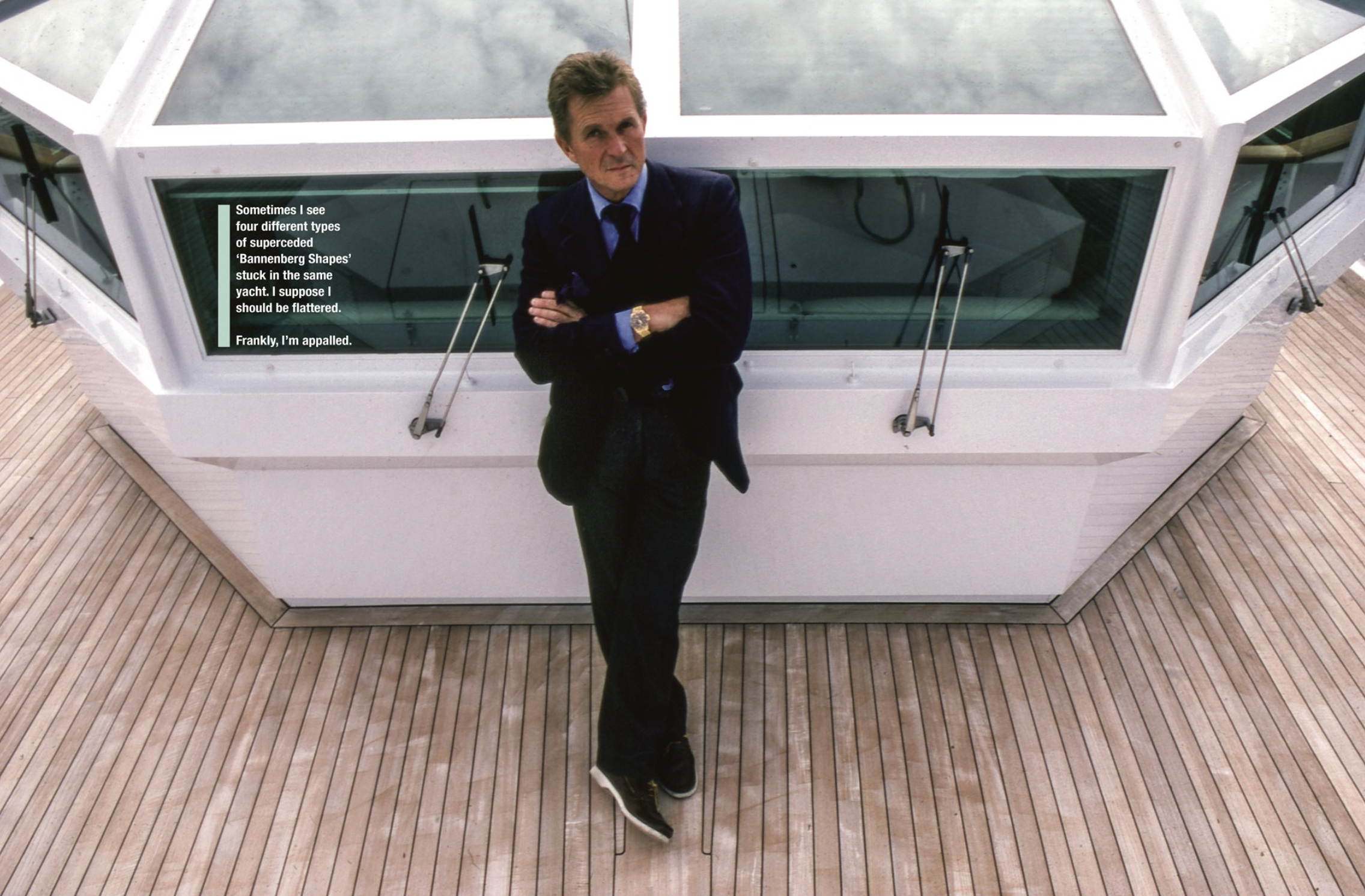
For decades, a group of former apprentices of Australian Jon Bannenberg, the godfather of yacht design, dominated the field with their trademark lavish style. Bannenberg, part of London’s “swinging ’60s” creative wave, designed celebrated vessels for the great and the not-so-great, including Malcolm Forbes, Adnan Khashoggi and Robert Maxwell. Throughout the ’80s and ’90s, his protégés—Andrew Winch, Terence Disdale and Tim Heywood—catered to the tastes of their plutocrat clientele (think fussy mouldings, high-gloss hardwoods, tinkling crystal and veiny marble), with their brand names adding pedigree to ships and their style seen as the hallmark of opulence.
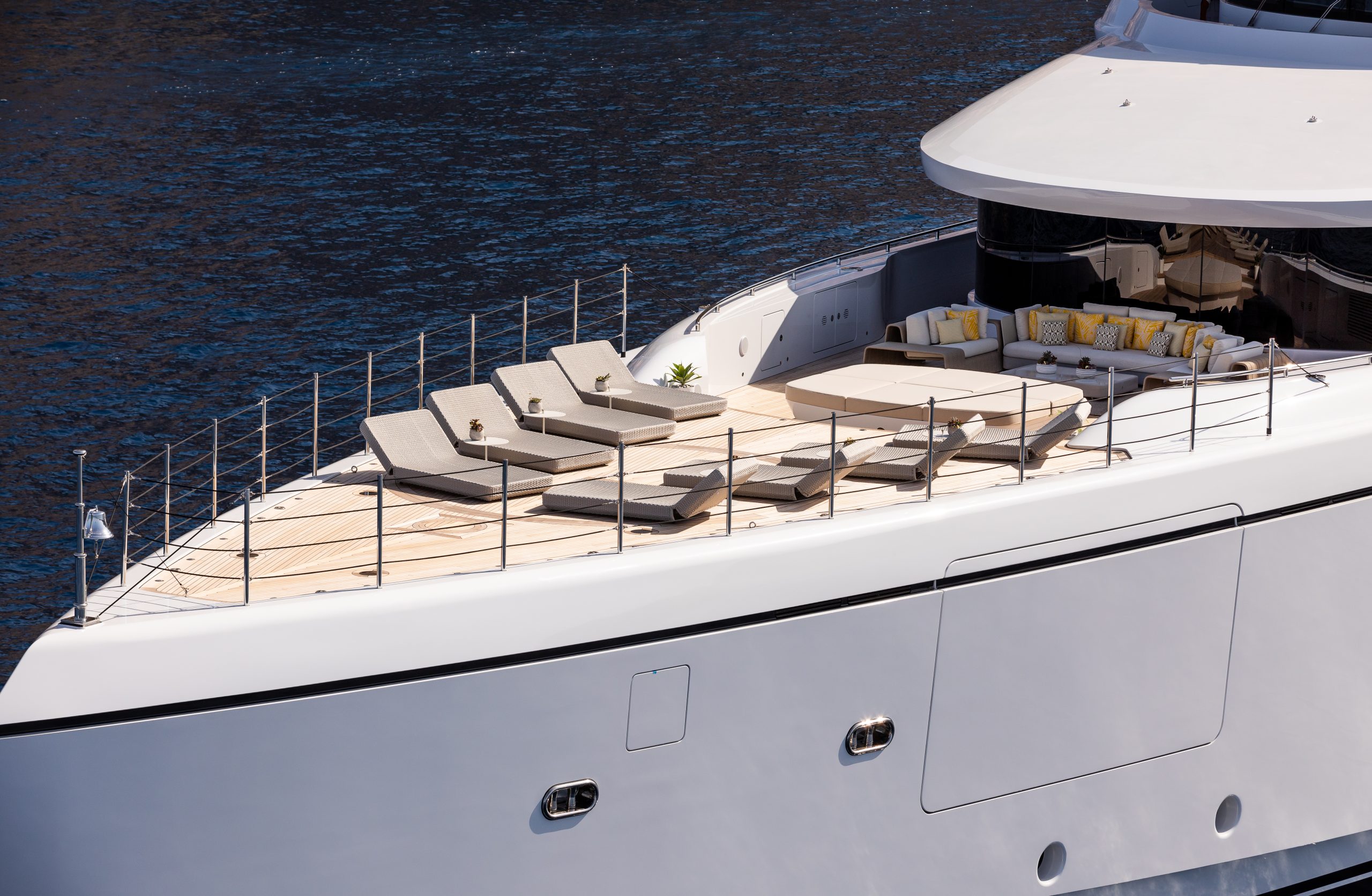
These designers “made a fortune”, says Giovanna Vitelli, chair of the Azimut-Benetti Group, by some distance the world’s biggest builder, who describes their style as “an institutional interpretation of luxury” dating from a more hierarchical era. “So, when I enter the yacht, I find a formal main salon, and then a big formal dining area, prepared to serve a lot of people,” she says. “I also stay away from the sea” due to privacy concerns, meaning small windows and high, enclosed sterns. This “shouted luxury”, in Vitelli’s words, is now giving way to a fresher, airier, more modern approach driven by a rejection of formalities and a new focus on “the very reason you go boating, which is the sea and nature”.
An embrace of the outdoors was a crucial focus for Norman Foster, one of the world’s most famous architects, whose designs for the 2008 YachtPlus fractional-ownership fleet, though controversial, prefigured some of today’s trends. Foster was perhaps the first outsider to disrupt the industry—“a conservative world” at the time, according to Angus Campbell, a senior partner at Foster’s practice who worked on the project: “You spend all this money, and then you have to look through these tiny little porthole windows; you’re on the sea, but you can’t see out. Why is that? So we looked at creating windows and external space that you can walk around.”
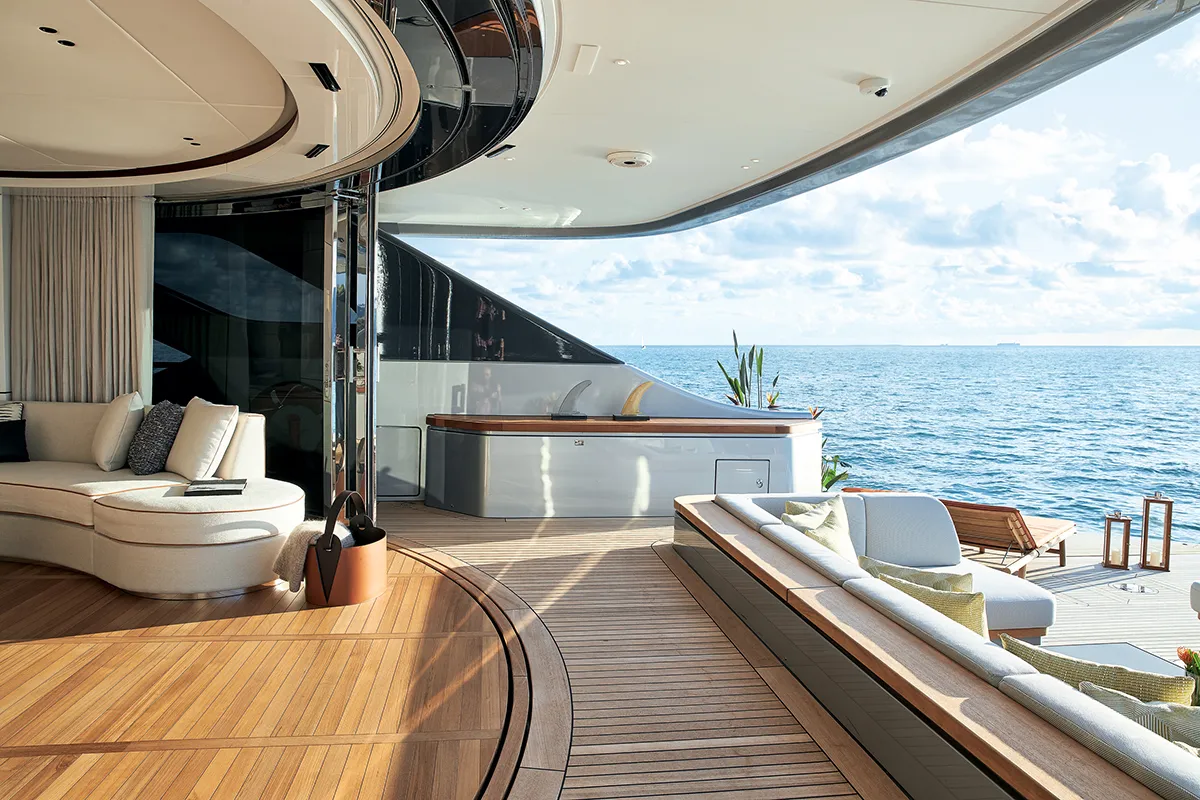
In 2010, Vitelli found herself asking similar questions and decided to hold design competitions specifically for creatives from outside the industry. A successful initial collaboration with architect Achille Salvagni that same year led to a series of partnerships with other architects known for their global portfolios of luxury retail, hotel, residential and product design, including Lazzarini Pickering in Rome, which did two interiors in the Benetti Motopanfilo line; Matteo Thun and Antonio Rodriguez in Milan, who are producing sustainable designs for the Azimut Seadeck series (the first of which will launch at Salone del Mobile this month); and Bonetti/Kozerski in New York, responsible for the interiors of Benetti’s 40M and 34M Oasis series.
Georgio Armani
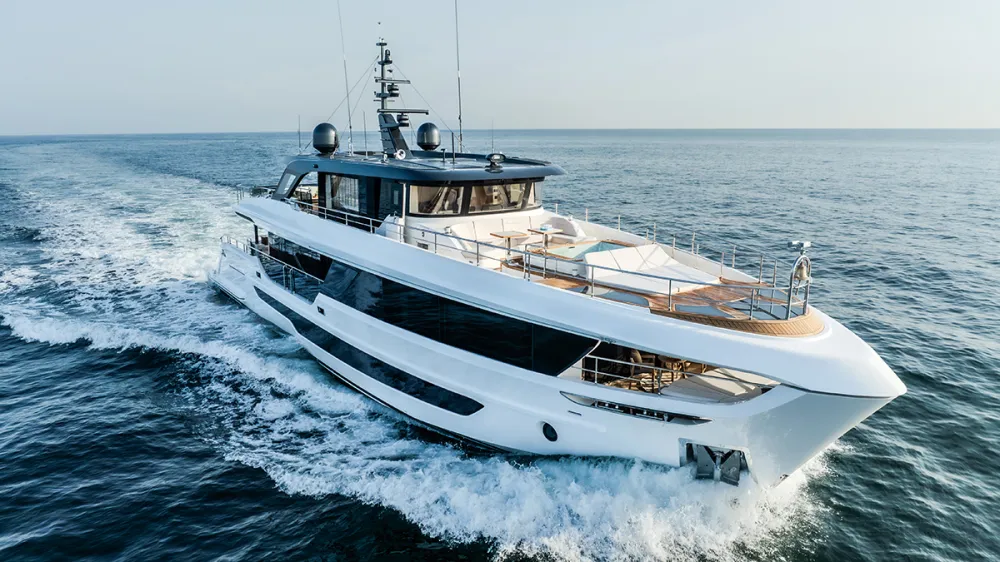
The fashion icon’s design for the 72 m Admiral megayacht leans into his sophisticated, muted palette and prioritises outdoor space.
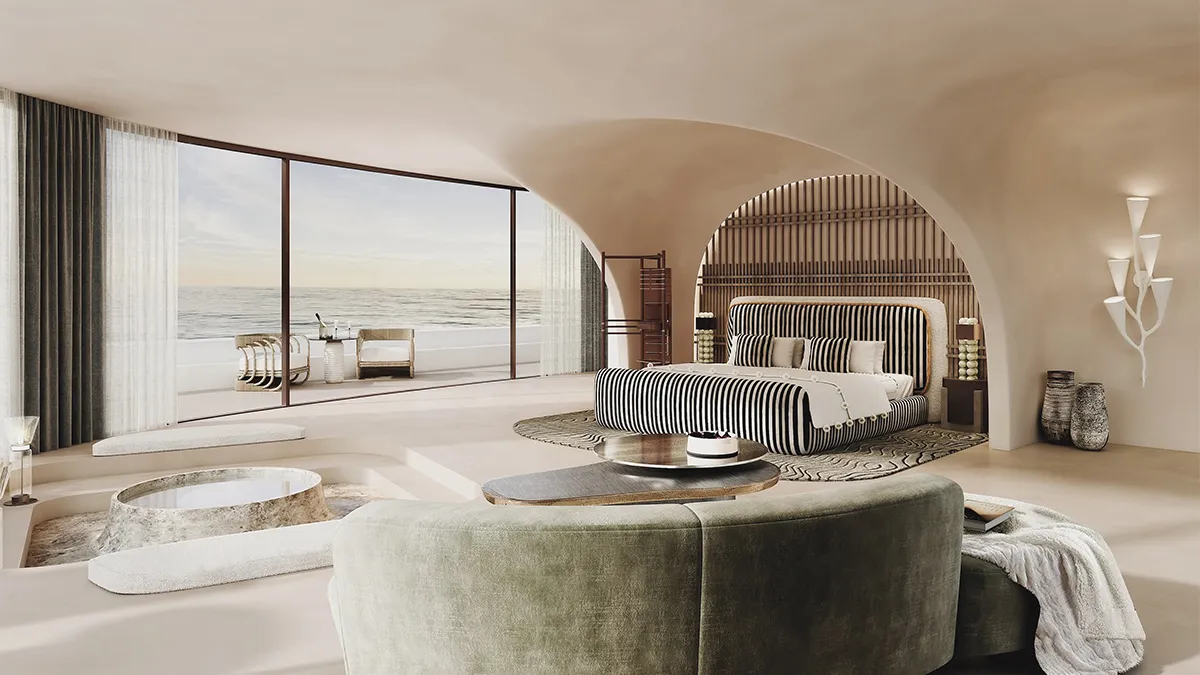
Roberto Palomba / Ludovica Serafini
The Milan-based architecture and design duo created the F100 Glass Cabin for Amer Yachts.

The results upended yachting convention. The traditional, strict divisions between interior and exterior were eroded, with “huge glass, huge doors” and a drop-down stern, recalls Vitelli, referring to Benetti’s pioneering “Oasis deck”—a lowered rear section with wings that fold down to create an expanded beach-club zone.
Other shipyards followed suit. One particularly radical concept was the 2015 Savannah, created for Feadship by Cristina Gherardi, who previously was director of architecture at Dior and designed projects for Armani Casa. The yacht featured multiple innovations, including hybrid propulsion, an engine ventilation that filtered air through tables in the bar, and a partially submerged glass-walled Nemo Lounge for watching passing fish.
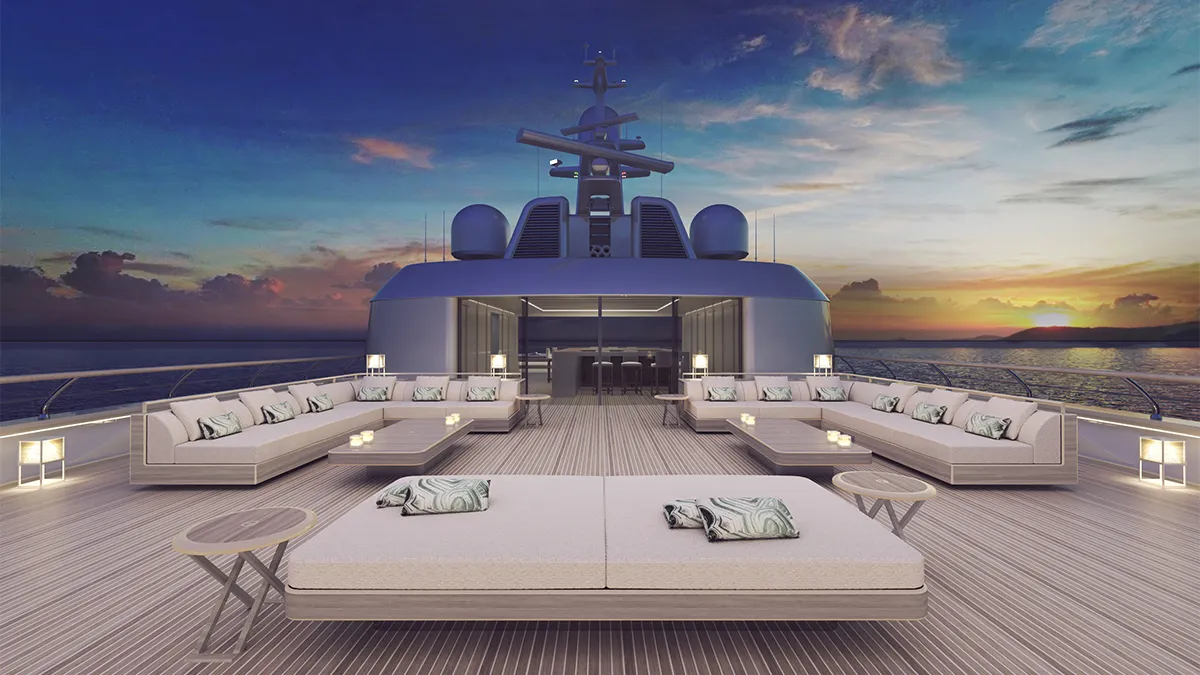
Oceanco, a full-custom builder that counts Jeff Bezos and Steven Spielberg among its clients, now works with non-yachting designers under its NXT program, while Amer, a smaller semi-custom brand from the Permare Group, recently partnered with Milan-based architectural studio Palomba Serafini to create the award-winning F100 Glass Cabin. And in 2020, Giovanni Costantino, founder and CEO of the Italian Sea Group (TISG), reeled in the Moby Dick of designers: Giorgio Armani. The fashion maestro, who has owned his own yachts for two decades, not only signed up to create two Armani-branded 72 m Admiral megayachts, including one that launched at the Monaco Yacht Show this year, but also bought a 4.99 percent stake in TISG.
The brand-name appeal of famous designers targets a new type of buyer, one who shops for a yacht as they would a luxury car, says Philippe Briand, a naval architect and creator of racing vessels as well as Vitruvius superyachts. The previous generation “came with sailing experience”, he says, “so they were more aware of functionality and constraints. Today, this generation are newcomers, and they’re consumers. That’s fine, but they need to be a bit educated about how complex it is to create a boat.”
Ownership is expanding and changing. There were 1,203 superyacht projects under construction in 2023, according to the Global Order Book, an annual industry survey. That’s nearly twice as many as a decade prior, and demand looks likely to grow in line with the boom in multimillionaires: the most recent UBS Global Wealth Report predicts that the number of people with over US$50 million (around $76 million) in assets will rise to 372,000 by 2027, up from 243,060 in 2022.
“In the past, rich people were mainly over 50, and now it’s completely different,” says Antonio Rodriguez, co-designer of the Azimut Seadeck series. “There is a boom of younger rich people, especially in Asia.”
Gregory C. Marshall, a veteran naval architect based in Victoria, Canada, says his millennial clients (some of whom are in their 20s) “just don’t seem to be interested in traditional superyacht thinking”, adding that “they travel with a backpack and surfboards”. They want ships that are “less polished on the outside and a little more ‘How many toys can I pile on?’ ” 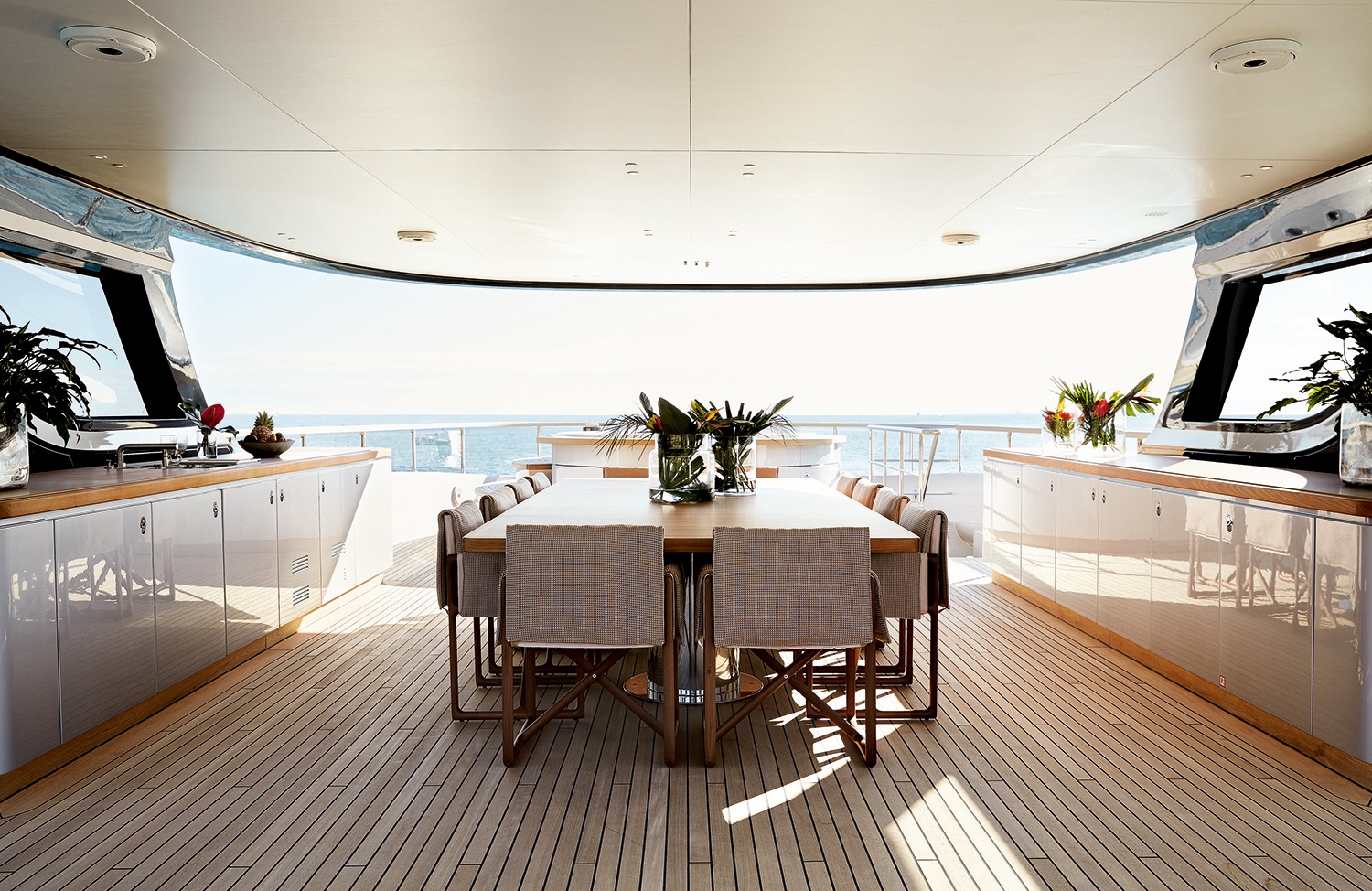
Enrico Bonetti/Dominic Kozerski
Bonetti/Kozerski, based in New York, aimed for nonchalant elegance with its Oasis series for Benetti.
Norman Foster
The Pritzker Prize–winning architect kicked off the “outsider” boom with his envelope-pushing YachtPlus.
But yachts are still status symbols: no one buys a superyacht solely due to a love of sailing. “If people like the sea, in general they buy a sailboat,” Rodriguez notes. For grander vessels, clients see no reason not to bring in a famous name with no knowledge of the category “like they use a designer for a house in the city or in the countryside,” he says. “It’s a floating house.”
Roberto Palomba’s vessel for Amer was commissioned by a client for whom he had designed projects on terra firma. “He knew me and he loves my style, so he wanted my style in his yacht,” says Palomba, who had no previous marine experience.
The older generation of owners believed that conventional layouts by established industry professionals locked in resale value; today’s clients are much more comfortable with risk. Concepts aimed at this market include vessels shaped like sharks, the Star Trek Enterprise, and bird skeletons. Oceanco’s NXT offerings include Aeolus, a 131 m gigayacht with a huge, sculpted primary suite and panoramic windows, and Kairos, which has the cosmic, asymmetric feel of a Tokyo shopping mall.
“It’s a less formal naval feeling onboard nowadays,” says Paris Baloumis, group marketing director at Oceanco. “Space has become much more fluid.” The aim, he says, is seamlessness between interior and exterior, work space and private space. “Back in the day, you had a special area for aperitifs, maybe a cigar lounge. A lot of different spaces dedicated to specific functions.” In contrast, Oceanco’s NXT Tank concept has replaced rooms with three amorphous zones.
Much of the work of external designers involves removing clutter. Giorgio Armani tells Robb Report that his blueprints were inspired by the clean lines of military vessels “and the optimization of space characteristic of old ships—away with all the infrastructures that can normally be seen, such as the tenders.”
Inside his Admiral yacht for TISG, windows feature sliding panels to help create “spacious interiors flooded with natural light”, he says. “The sensation is wide-ranging and of total immersion in the surrounding environment.” The effect, enhanced by the stealth-wealth decor, recalls his relaxed yet deceptively decadent suits.
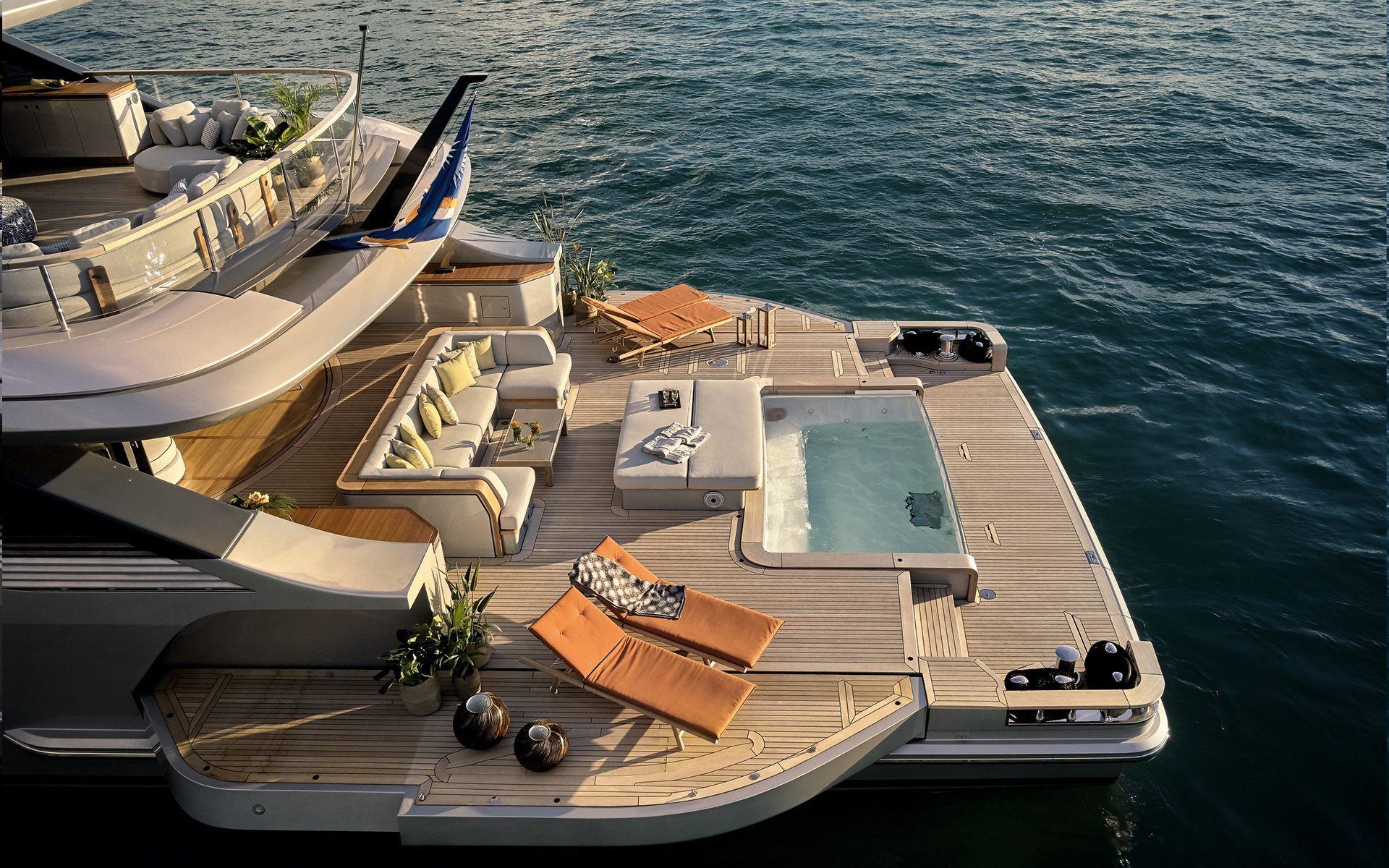
Touring yachts as part of his research for the Oasis series, Enrico Bonetti, of Bonetti/Kozerski, found the interiors “very stiff, rigid, with furniture where nobody would sit” while also prioritising “something flashy here, something else flashy over there. So what we tried to do is to link all the spaces together and have a continuation of materials and textures and colours.” The aim, he says, is nonchalance: “sophisticated but without showing it too much”.
The main difference between the old and the new is a shift away from ostentation and toward a discreetly refined simplicity. Rodriguez’s mantra is “Always remove”. Instead of a bunch of gold and marble, he says, “we try to do the opposite, to keep only the materials you need, and never, never to show off.” He calls this approach the new luxury.
Technology is also altering the design process. Engineers at Azimut-Benetti no longer make test models, instead using Oculus virtual-reality glasses to “walk” around the boat, making adjustments in real time. “The ability to do large, technical, structural glass has evolved enormously,” says Marshall, whose studio produced the Artefact superyacht, which may lay claim to more glass than any other yacht on the water and won two major awards at the 2021 World Superyacht Awards. Technological advances engender new ideas, he says. “You start to think, ‘Well, if the glass is actually stronger than my aluminium structure, why would I make it out of aluminium and not glass?’ ”
Sustainability is another driver of change. For the interiors of Azimut’s Seadeck, Rodriguez says he selected exclusively recycled or recyclable materials, including a carpet made from discarded fishing nets, which Vitelli describes as “pleasant to touch”. She adds, “You don’t have that cold plastic effect—it’s like silk.”
“We were trying to push the boundaries and create a better experience for the guests, rather than make it easy to tie up when you’re trying to bring it into shore.”
Change isn’t always welcomed by the technical teams who have to turn outsiders’ nautical fantasies into seaworthy vessels. “I’ve seen a lot of examples of yachts which have been controlled by the interior designer, and in the end [it] does not hang together,” says Philippe Briand, the naval architect, who prefers to work only with marine-specific interior designers.
He particularly abhors the proliferation of unrealistic concepts on social media: “They’re all fake, to be honest, because they’re not representing any existing boat—they’re only the dream or the marketing of a young designer.” Moreover, these renderings are “polluting the market”, he says, because they give clients improbable expectations. “The client says, ‘You’re creative, you’re inventive, so I’m going to order a boat from you [only] if you’re able to do the same design I saw’. Which puts us in a very difficult situation.” Briand cites the trend for ultra-low beach clubs, which he calls unfeasible in even slightly choppy water. “To make an attractive image in a magazine,” he says, the rendering needs to be “flat, all open, two feet above the water—and, of course, on the rendering, the water is [also] flat. It’s not corresponding to any real functionality. I mean, it’s basically fashion.”
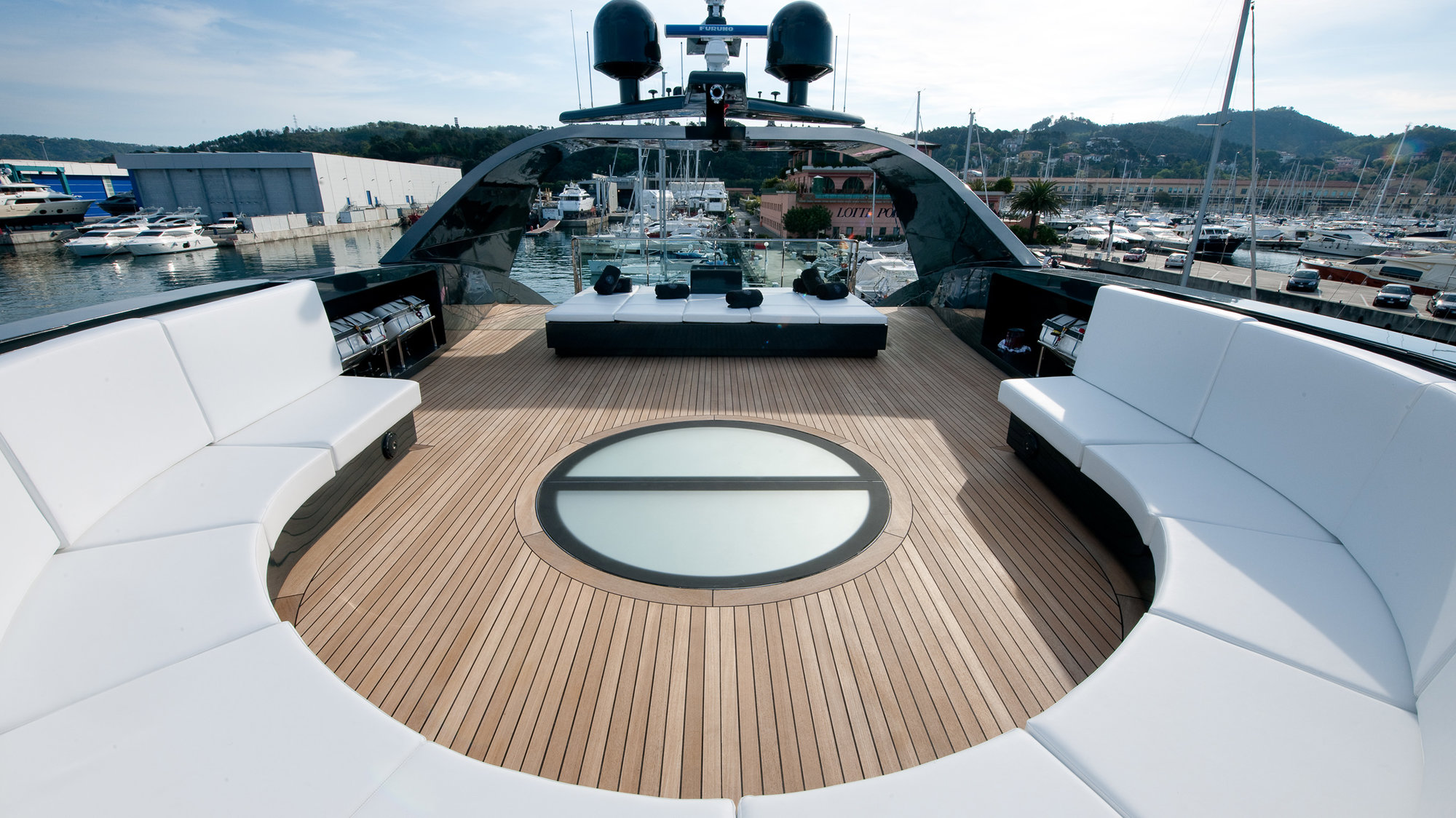
Antonio Rodriguez / Matteo Thun
The first in the Azimut Seadeck series by this Milanese partnership, which debuted in April at Salone del Mobile, features all recycled or recyclable materials.
Marshall, the Artefact’s architect, agrees that clients often bring concepts that are impractical but usually finds that, with “some minor adjustments”, the designs are “buildable without losing the aesthetic inspiration”. He says it largely depends on the purpose of the yacht, with an oceangoing vessel requiring more serious engineering than a Monaco posing platform—not every model needs to be able to “survive a hurricane in the middle of the Atlantic”.
Marshall likewise welcomes the creative tension inherent in a meeting between external creatives and in-house engineers. “We look at it like a war,” he says, cheerfully. “Because the reality is each discipline is in conflict with the other disciplines. You may love the styling, but the structural people go, ‘Thanks, how do I build that?’ The way he manages the mediation process is to “start with the concept, go to a certain point and stop, then do a structural pass, then do a mechanical pass, [then] go back to styling—and the stylists of course look at it and go, ‘Oh, my gosh, all these engineers just slaughtered my brilliant design. And we go round and round.” The conflict is the point, he says. “When you get the balance right, then it’s a good design.”
Baloumis agrees but admits to “frustrations on both sides”. Outsiders lack “the technical understanding of naval architecture”, at which point “we have to really guide [them] to understand why certain things are not possible. But on the other hand, it also pushes us to see how we can make it work. And that is a nice interaction.” This Darwinian-esque struggle is necessary, he says, “because the yachting industry is quite confined, quite closed”.
Palomba and Bonetti both encountered resistance to their initial ideas for Amer and Benetti, respectively. According to the former, he had to “force the producer to create big windows”, while Bonetti recalls continually clashing with what he refers to as “the rules”, such as having an elaborately set but unused dining table in the main salon. “For us, not knowing the rules [made it] easier to do things a little bit differently.”
That often-fruitful tension between outsiders and insiders can tip out of balance in the presence of what Marshall calls a forceful stylist. He’s happy to incorporate “round windows, triangular windows, giant staircases”, as long as the vessel operates as more than a stage set.
One veteran yacht designer, asking not to be named, points to Foster’s YachtPlus as an example of form outweighing function. “It just didn’t function as a boat that well, in terms of the normal day-to-day things, like simply tying it up. A lot of the aesthetic inspiration that non-boat people come up with is very clever, but if it doesn’t meet the core usage, it doesn’t last very well.” Campbell, of Foster + Partners, says that their brief was innovation and readily admits that they prioritised eye-catching radicalism over the nitty-gritty of nautical functionality. “We were trying to push the boundaries and create a better experience for the guests,” he says, “rather than make it easy to tie up when you’re trying to bring it into shore.” Those choices, he says, are often in direct contradiction, adding, “I think what happens with a lot of yachts is that the crew take a lot of the key spaces. And the fact is that the guests who’ve paid for the yacht get all the spaces that are left over. We did question a lot of those items to try and push it because, you know, how [else] do you get innovation?”
Maritime regulations often curtail the ambitions of owners and designers. A client’s desire for double-height ceilings is hard to square with fire regulations, which limit the number of open spaces. “A boat is not a bag, it’s not a dress,” says Vitelli. “There’s a lot of substance—you’re buying a floating object full of technology, so [safety] has to remain the priority.”
In terms of interiors, most still agree that the nautical nature of a yacht should be reflected in its fixtures and fittings. “A boat should remain a boat and should remain marine,” says Vitelli, adding that she rejected some architect proposals that were too close to “a New York loft”. Bonetti also cautions against mimicking residential styles too closely. “We’re seeing some boats that if you [replaced] the view from the windows with a street, it could be an apartment in the centre of Berlin,” he says, adding that vessels can reflect their authentic purpose “without going back to the old mahogany interiors”.
But exactly how should a yacht’s design convey its marine essence? It’s partly a matter of safety, says Vitelli: it must have “rounded shapes”, because no one wants to encounter a sharp corner in a storm; handrails and non-slip floors are also crucial. But for a superyacht, it’s also a matter of luxury aesthetics—which means bespoke built-in furniture. Anything off-the-peg “is not perceived as top luxury by certain customers, it’s luxury that we can more or less all afford to buy—Poltrona Frau or Minotti.” In other words: mass luxury.
Bonetti agrees. “The majority of the furniture and the millwork should be specifically designed for that boat,” he says. “It shouldn’t be something from a showroom.” Palomba, however, prefers “movable pieces from brands like B&B and Talenti”, specifically to get away from “integrated fixed furnishings,” which for him are too redolent of the moulded-fibreglass fixtures of yesteryear.
When is a boat not a boat? When it is, in Armani’s words, “a moving house, with particular characteristics”. Today’s owners employ residential architects precisely in order to create the feel of a floating home. Such personal designs will inevitably conflict with the mathematical certainties of naval engineering. But the best shipyards welcome outsiders who bring the friction that sparks creativity—such open-mindedness is especially necessary as technology continues to expand what’s possible. Yacht design is not “an ever-fixed mark / That looks on tempests and is never shaken,” as Shakespeare might have it, but instead it must trim its sails to the prevailing wind. ●
THE NEW DELIVERABLES
Thanks to the influence of big-name designers and the growing owner demand for increased space and superior views, superyachts are undergoing a style evolution. Three areas in particular are coming into sharper focus for builders
Active Beach Clubs
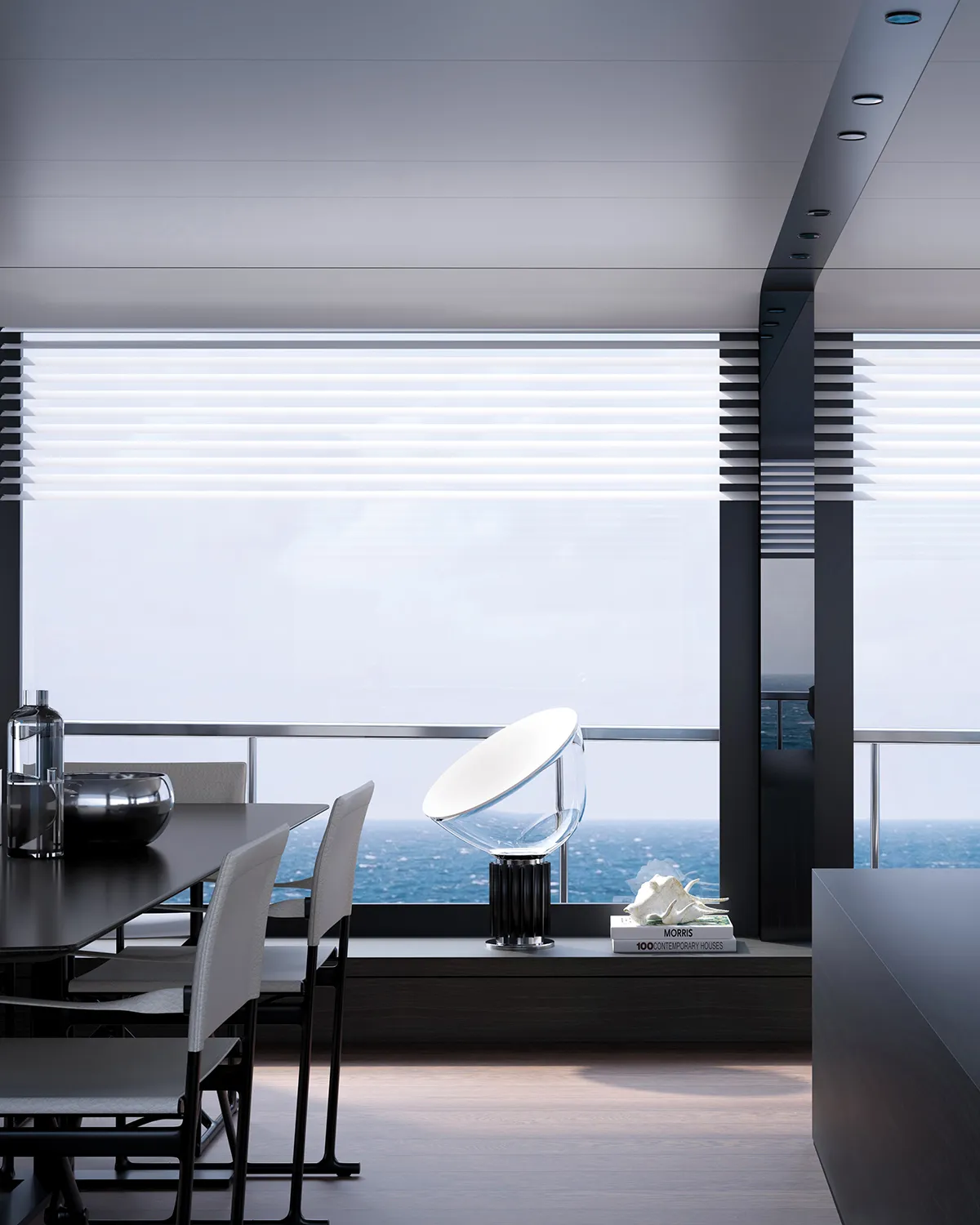
The leisure space at a yacht’s stern has become an essential part of the superyacht blueprint. Owners’ emphasis on the water’s edge has given rise to active beach clubs, which might feature enclosed lounges, drop-down transoms for watersports access, or multi-decked havens where relaxation meets wellness meets seaside living. Most beach clubs come into their own when the yacht is at anchor, but aboard Oceanco’s Aquijo, the world’s largest high-performance ketch, watertight doors mean guests can still use the jacuzzi, spa pool, hammam and sauna when sailing at top speeds.
Glass-bottomed jacuzzis and glass-encased pools on the main deck, as seen on Golden Yachts’ 88 m Project X, shine natural light on a beach club below, mitigating a lack of windows. Other solutions include side terraces that extend the footprint, a trick used by Bilgin’s 80 m Leona. The third hull of the Bilgin 263 series, meanwhile, takes enclosed beach clubs to a new dimension: marble runs across the walls and floor, while a ceiling decorated in twinkling LEDs illuminates a tiled pool and statues recalling Ancient Greece. On the starboard side sits a bar embellished with amethyst and agate; on the port side, a hookah room with fold-down sea terraces.
Rounded Interiors
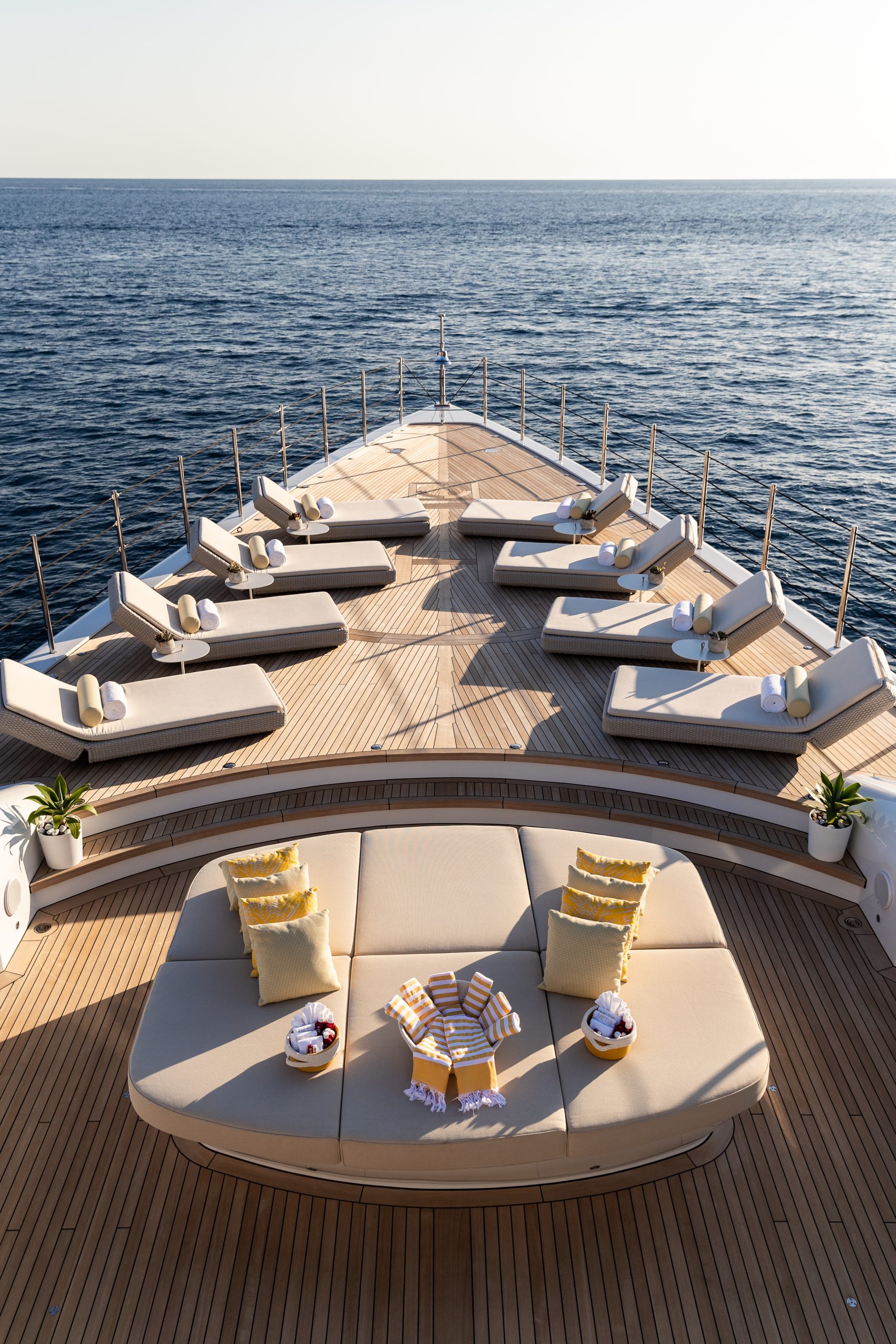
Several design firms, including Burdifilek of Toronto, are employing curvaceous hull shapes to form new fluid interiors. “I believe very strongly that you should feel like you’re on a boat, with bulkheads that hug the curve of the hull,” says Burdifilek cofounder Diego Burdi, who went with a more rounded feel for the 61 m Damen Entourage.
It’s a sentiment echoed by Rome-based Lazzarini Pickering Architetti, whose interiors for Benetti’s Motopanfilo series are framed by curved, structural “ribs” and integrated panels that mimic the shapely nautical doors and smaller portholes of vessels from the ’60s. Others, such as the Maiora 35 Exuma and the WallyWhy150, feature domed ceilings that don’t compromise structural integrity. “You have to be brave enough to push the boundaries and shift existing design parameters,” says Luca Bassani, Wally’s founder and chief designer.
Virtual Pilothouses
A mere fantasy five years ago, the virtual pilothouse is close to reality now. Some builders are doing away with the main-deck bridge altogether, as seen with Sunseeker’s new Ocean 182, which has only a single helm on the flybridge, as well as Feadship’s concept, Pure. Instead of being perched at the front of the yacht, the captain and VR “command centre” are discreetly ensconced in a windowless deck below the waterline. Team Italia’s virtual bridge isn’t, as the name suggests, virtual but trades its traditional territory for a less prominent position of the owner’s choice.
Placing the pilothouses in out-of-the-way corners allows owners to appropriate the best forward views for their own main-deck suites. The days when practical, nautical concerns necessitated that captains occupy such prime real estate are in the past: “Considering the data and virtual reconstruction sensors we now have,” says Massimo Minnella, CEO and founder of Team Italia, “a virtual bridge will be just as safe and capable as the current one.” The Grecian-inflected pool of the Bilgin 80 m Leona’s beach club; the “command centre” aboard Feadship’s design concept Pure; Benetti’s Motopanfilo 37M’s main salon, featuring structural curved “ribs”. Photography: Daniele Venturelli/Getty Images (Giorgio Armani photo); Enrico Costantini; Ludovica and Roberto Palomba.
Photography: Nigel Young
Subscribe to the Newsletter
Recommended for you
Superyacht Marinas Are Transforming Into Luxury Destinations That’ll Rival Your Yacht Club
From Anguilla to Singapore, these waterfront hot spots provide more than parking space.
October 19, 2026
This New 46.9-Metre Superyacht Concept Blends Italian and Japanese Design
“Maai” translates the space between the two cultures into a way of living at sea, according to Studio Segno.
October 16, 2026
You may also like.


You may also like.
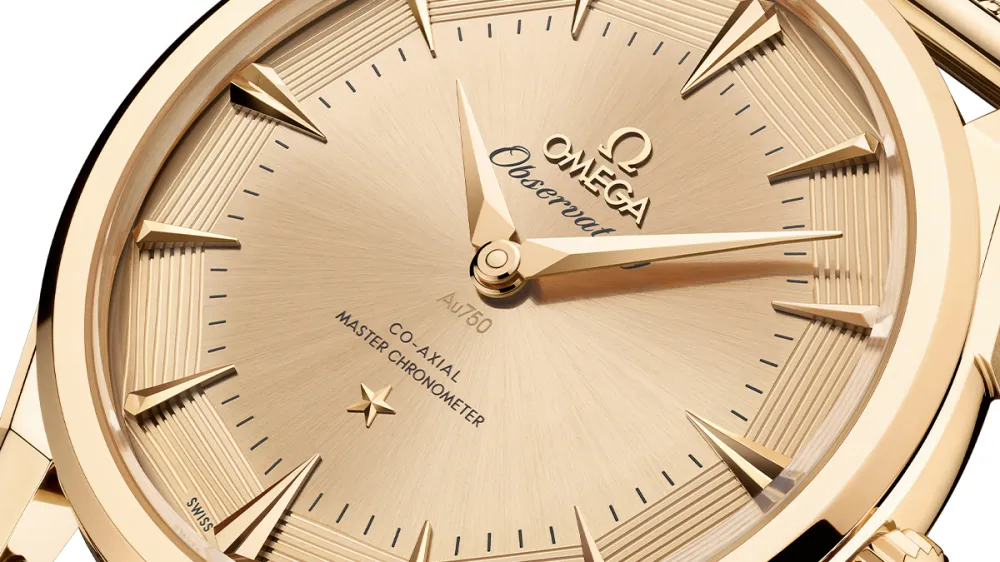
Omega Just Unveiled 9 Watches in Its New Constellation Observatory Collection
The line-up shows up a bevy of metals and colours, too, as well as two new calibres.
Omega’s latest watch is in a universe of its own.
The Swiss watchmaker just unveiled its new Constellation Observatory Collection today, the next step in its Constellation lineage and the first two-hand hour and minute timepieces to ever earn Master Chronometer certification. And if you were paying attention to any of the dazzling watches spotted at the Oscars this year, you would’ve caught a glimpse of the new line already: Sinners star Delroy Lindo rocked one of the models on the Academy Awards red carpet, giving us a pre-release preview of the collection.
Developed at Omega’s new Laboratoire de Précision (its chronometer testing lab open to all brands), the collection houses a set of nine 39.4 mm watches. The watches underwent 25 days of scrutiny there, analysed via a new acoustic testing method that recorded every sound emitted from the timepiece to track irregularities, temperature sensitivities, and more in the name of all things precision. (Details such as water resistance and power reserve are also thoroughly examined.) This meticulous process is all in the name of snagging that Master Chronometer label, meaning that the timepiece is highly accurate and surpasses the threshold for ultra-high performance. The Constellation Observatory Collection has now changed the game, though, thanks to its lack of a seconds hand.

“Until now, precision certification has required a seconds hand,” Raynald Aeschlimann, president and CEO of OMEGA, said in a press statement. “The development of a new acoustic testing methodology has made that requirement obsolete. It is this breakthrough that has enabled us to present the Constellation Observatory, the first two-hand watch to achieve Master Chronometer certification.”
In addition to notching its place in history, the collection also debuted a new pair of movements: the Calibre 8915 and the Calibre 8914, each perched on a skeletonised rotor base. The former’s Grand Luxe iteration will appear on the 950 Platinum-Gold model in the collection, which offers up that base in 18-karat Sedna Gold alongside a Constellation medallion in 18-karat white gold with an Observatory dome done in white opal enamel surrounded by stars. The second Calibre 8915, the Luxe, will find its home on the other precious-metal models in the line, either made with the brand’s 18-karat Sedna, Moonshine, or Canopus gold seen across the case, the hand-guilloché dial, and, of course, the movement itself. (Lindo chose to rock the Moonshine Gold on Moonshine Gold iteration, priced at approximately $86,000, for Sinners‘s big night at the Oscars.) As for the Calibre 8914, it can be found in the collection’s four steel models.

Each model is a callback to myriad design features on past Omega models. That two-hand dial, for one, comes from the 1948 Centenary (the brand’s first chronometer-certified automatic wristwatch), while the pie-pan dial (seen in various blue, green, and golden hues throughout the line) and that Constellation medallion caseback both appear on watches from 1952. The star adorning the space above 6 o’clock also harks back to 1950s timepieces from Omega. And to finish off the look, you can opt for alligator straps in a variety of colours, or perhaps a gold iteration to match the precious-metal models; the brick-like pattern on the 18-karat Moonshine bracelet was also inspired by Omega watches from the ’50s.
We’ll have to keep our eyes peeled for any other Constellation Observatory timepieces (or any other unreleased models from the brand) at the rest of the star-studded events headed our way this year—perhaps the Met Gala?

You may also like.


In Search of White Gold
Colorado’s barely known San Juan Mountains do a fine line in bespoke skiing experiences, luring alpine-sports cognoscenti and billionaire thrill-seekers alike.
“Though no one currently on staff is at liberty to say, billionaire actor Tom Cruise is a very average heli-snowboarder. But although no one currently on staff is at liberty to say, Amazon CEO Jeff Bezos—the world’s second richest human—makes up for Cruise’s inability with his off-piste prowess. The pair have been clients of Telluride Helitrax, a heli-skiing outfit operating in the backcountry behind Telluride Mountain Resort, in remote south-west Colorado, since 1982. My source, a former guide who prefers to remain anonymous, admits he’s entertained a host of household-name One Percenters over the years.”
“Power billionaires aren’t going to the popular resorts any more,” he reveals over a happy-hour drink at a Telluride bar. “Luxury skiing these days, it’s all about exclusivity. No one with any clout shares snow, and at every resort, no matter how fancy, you have to share the slopes. But nowhere is more exclusive than the backcountry. That’s your billionaire’s playground. And no backcountry is more exclusive than San Juan backcountry.”

Which is precisely why I am here. Australia’s considerable brigade of free-spending, snow-crazed executives may jet off to Vail and Aspen each northern winter for thrills, but it turns out some of the world’s most choicest ski experiences have been right under their noses—only a short helicopter ride, car journey or private jet flight from said resorts.
Packed into the ultra-rugged southern end of the Rocky Mountains, the San Juans are a little chunk of the Swiss Alps in the US—young, ridiculously spectacular formations known for their steep slopes, deep powder snow and Disney-esque triangular peaks, all bathed in 300-plus days of sunshine a year. And the region is augmented by unique, and select, backcountry options that rival anything currently in the upscale ski orbit.

Case in point: North America’s highest skiing setting, Silverton Mountain. Located in the heart of the San Juans, outside the tiny town of Silverton, the 4,111 m peak boasts 736 hectares of chair-accessible terrain set among what is reputedly the deepest, steepest snow in the nation. It also offers a further 10,000 hectares of private terrain, serviced by heli-ski operation Heli Adventures. This is the Shangri-La of skiing: every slope connoisseur has heard of it, though most wonder if it actually exists.
We arrive via the treacherous Million Dollar Highway, where a disturbing lack of guard rails sometimes causes travellers to plummet into the valley floor (the death toll, grimly, averages eight people per year). Silverton Mountain was bought in 2023 by Heli Adventures’ young co-founders Andy Culp and Brock Strasbourger. While private punters can book the hill in its entirety, starting from around $14,000 per day, plus extra for single heli-skiing runs, the destination is also open to the public from Thursdays to Saturdays through winter.
“Silverton is a bastion for the pure ski experience,” Culp says. “All that corporate consolidation that happened when ski resorts all over the world developed condos and real estate and got super-busy… well, it never happened here. You’re able to access Alaska-like terrain from an old rickety chairlift, but you’re an hour’s drive from a pretty major airport [Montrose]. And you can access snow that’s even better than most heli-skiing straight off your lift.”
There’s no radio-frequency lift passes when I arrive. In fact, I don’t get a lift pass at all. A discarded school bus doubles as the “second chairlift”; it picks me up and returns me to a yurt which serves as a restaurant and bar. “There’s a time and a place to hang out at The Little Nell [Aspen’s legendary après-ski bar] and the world doesn’t need more of that,” Culp says. “This is the new luxury. We also run a heli-ski business out of Aspen [Aspen Heli-Skiing] but this is where we come. You can’t put a price tag on what we have here.”
I drive away from the mountain, back along the perilous Million Dollar Highway, park my car and disappear into the San Juan National Forest with guide Kaylee Walden. This white-coated outback between Silverton and Ouray, dubbed “the Switzerland of America”, offers swathes of primo backcountry skiing terrain. The ski touring here is often likened to Europe’s iconic Haute Route—an emblematic trail between Mont Blanc and the Matterhorn.
The operator Mountain Trip offers a Colorado version of that feted circuit, on a multi-day traverse between secluded huts. All in all, there’s nearly 8,000 km² of national forest and 2,500 hectares of wilderness to explore, frequented only by the occasional intrepid enthusiast.
A wood-burning sauna is being prepared as I arrive at Thelma Hut, 4,500 m above sea level. Traditionally, US Forest Service huts were humble affairs, with rudimentary bunks, self-service kitchens, and food supplies brought in by skiers. This evening, however, a chef is preparing local bison across from an open fireplace as the sun sets through a floor-to-ceiling window against a horizon of white mountains. As he works, I walk out into the snow to study the twilight sky; beaming planets shine down on me, necklaces of tiny stars sparkle.

Back down to earth, upon my return to “civilisation”, we take a two-hour car ride to Telluride, probing through the San Juans. The small town is picture-postcard pretty, wedged at the end of a box canyon surrounded by Colorado’s tallest waterfalls, and hosts the highest concentration of 4,000-m-plus peaks in the state. Most of its buildings are on the National Register of Historic Places, including a bank that was robbed in 1889 by the outlaw Butch Cassidy.
While the locale offers everything from luxurious on-mountain dining options to 7-km-long runs, it’s the heli-ski enterprise that’s lured me. Telluride Helitrax holds sole rights to over 500 km² of completely deserted ski terrain, a few minutes’ flying time from town. The company runs a range of Eurocopters which guests can charter into Colorado’s best alpine basins, cirques and couloirs. “The range mightn’t be as expansive as Alaska,” says Telluride Helitrax program director Joseph Shults. “But the views, the terrain, the snow depth and quality is as good.”
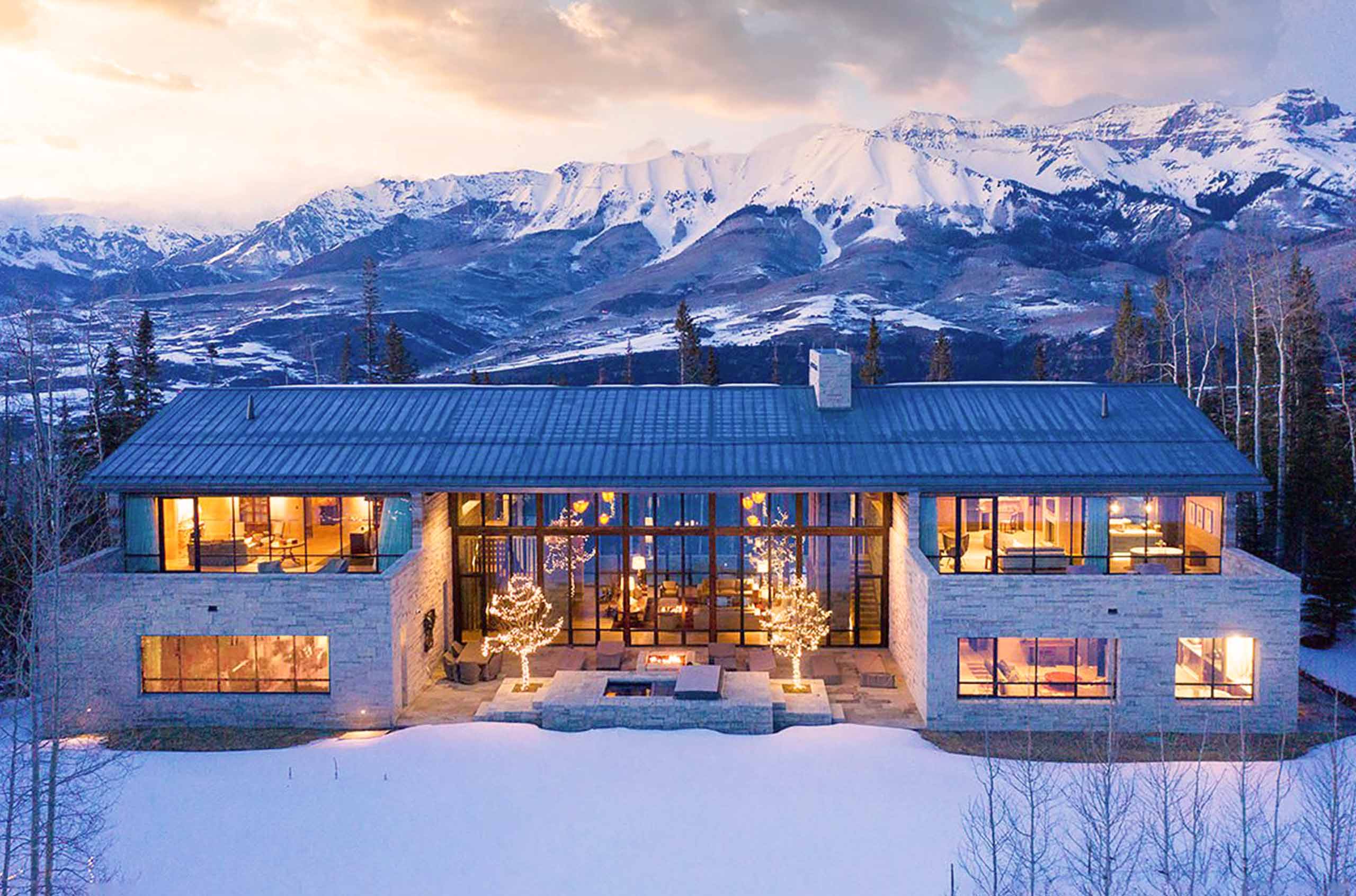
I’m staying in a privately owned three-bedroom penthouse apartment, where a helicopter takes off each morning for convenience (when I’m done carving clouds, I move a kilometre up the mountain to the seven-bedroom, three-storey mountain retreat Hood Park Haven, valued at around $42 million). Telluride Helitrax uses an abundance of drop-off locations, all above the tree line, meaning everyone from intermediates to experts can be catered for.

During my three-day odyssey, I don’t cross a single other ski track, but it’s the peace that is most startling. In this pocket of montane paradise, there is, literally, not a single sound—a stark contrast to the whirling fury of the chopper that transports me. My experienced guide Bill Allen won’t reveal who’s come before Robb Report. “You’d know their names,” he says, grinning.
And so the San Juans remain a secret to all but a fortunate few. Of all the luxuries the ultra-wealthy enjoy in the skiing ecosphere, the promise of untouched snow is by far the most enviable. Here in Colorado is where the white gold truly lies.
Photography: Kane Scheidegger (heli-skiing); Patrick Coulie (hut); Courtesy of Colorado Tourism Office (Hood Park Haven).
This article appears in the Autumn issue 2026 of Robb Report Australia New-Zealand. Click here to subscribe.
You may also like.


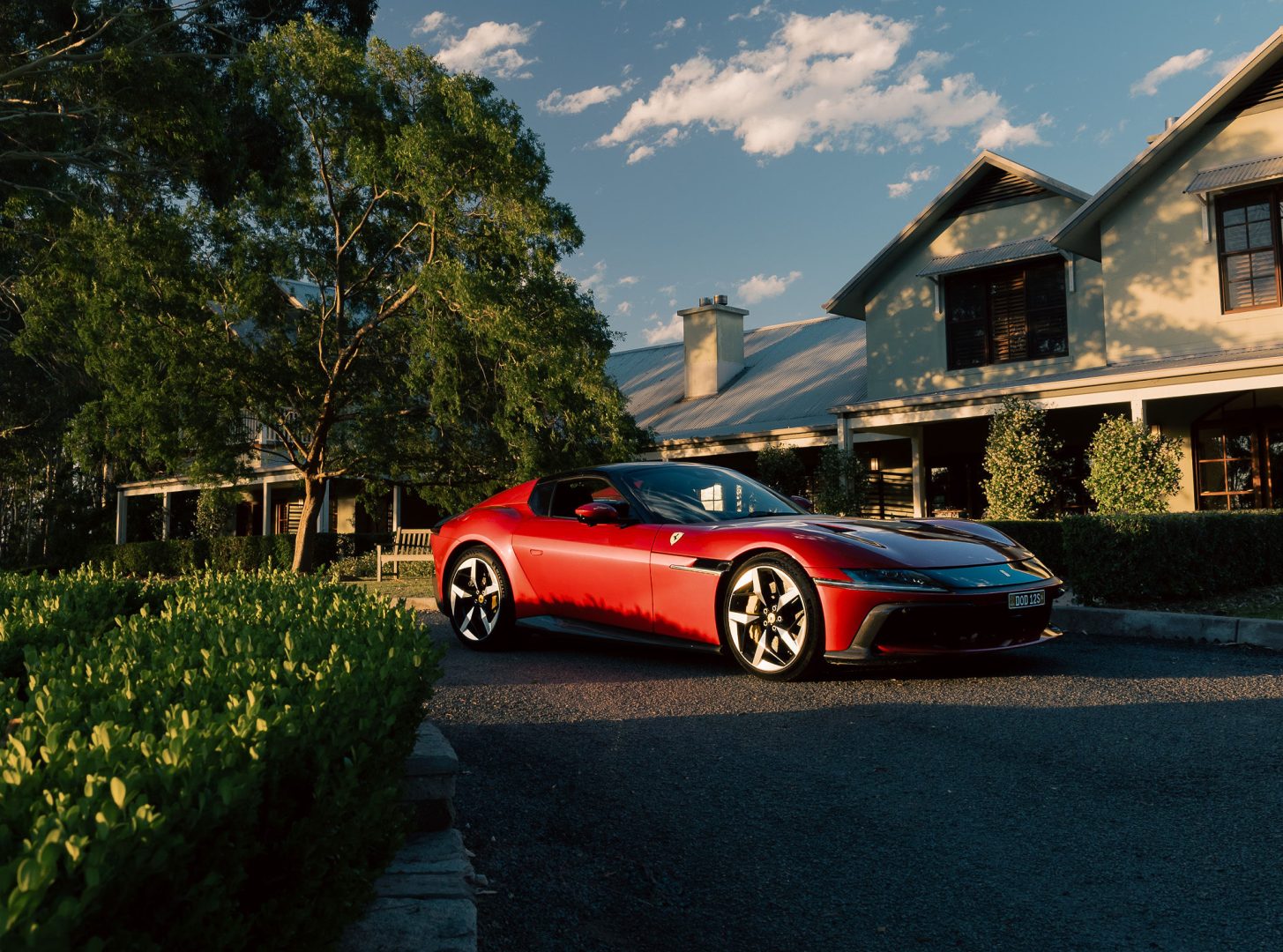
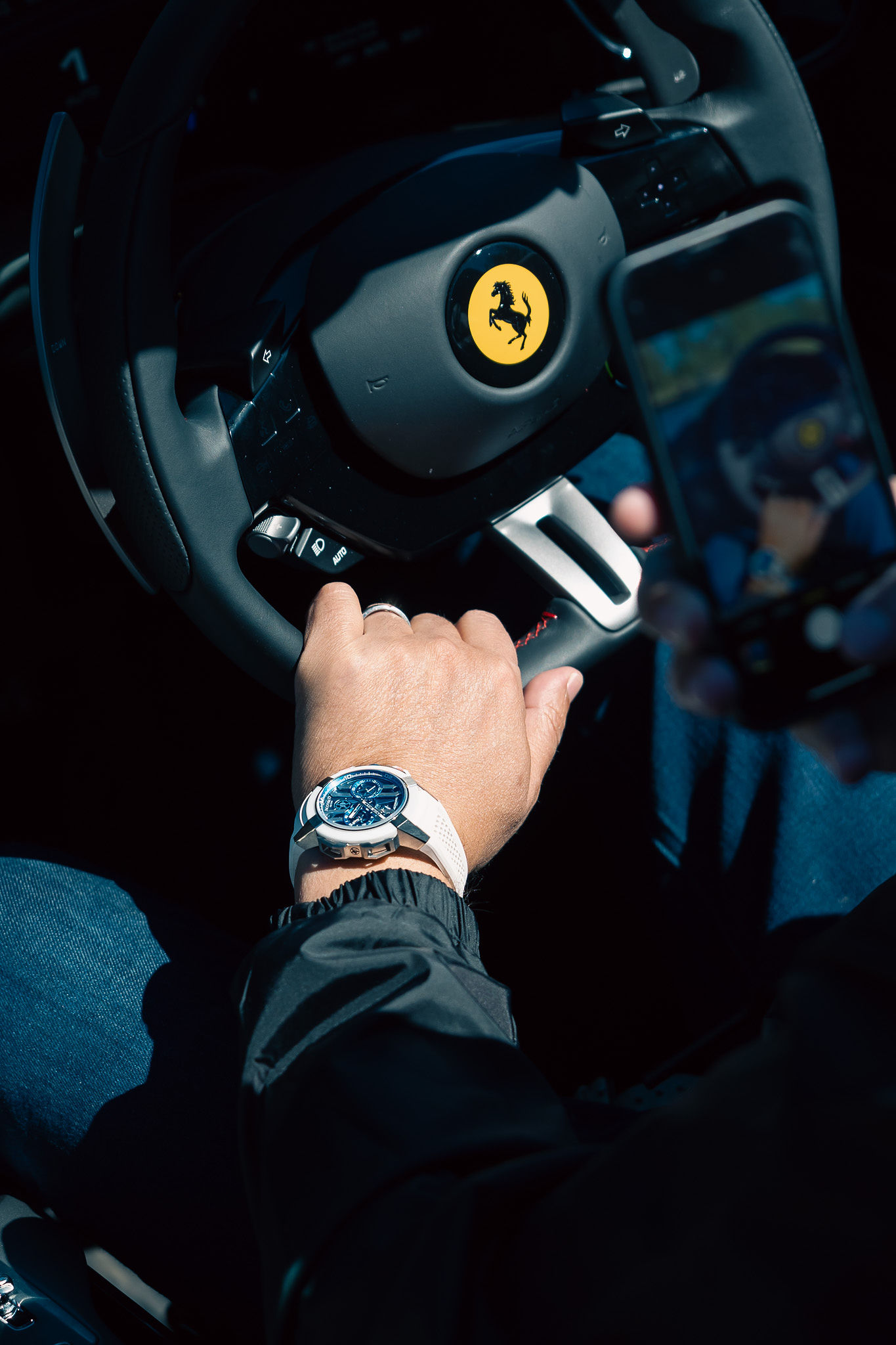
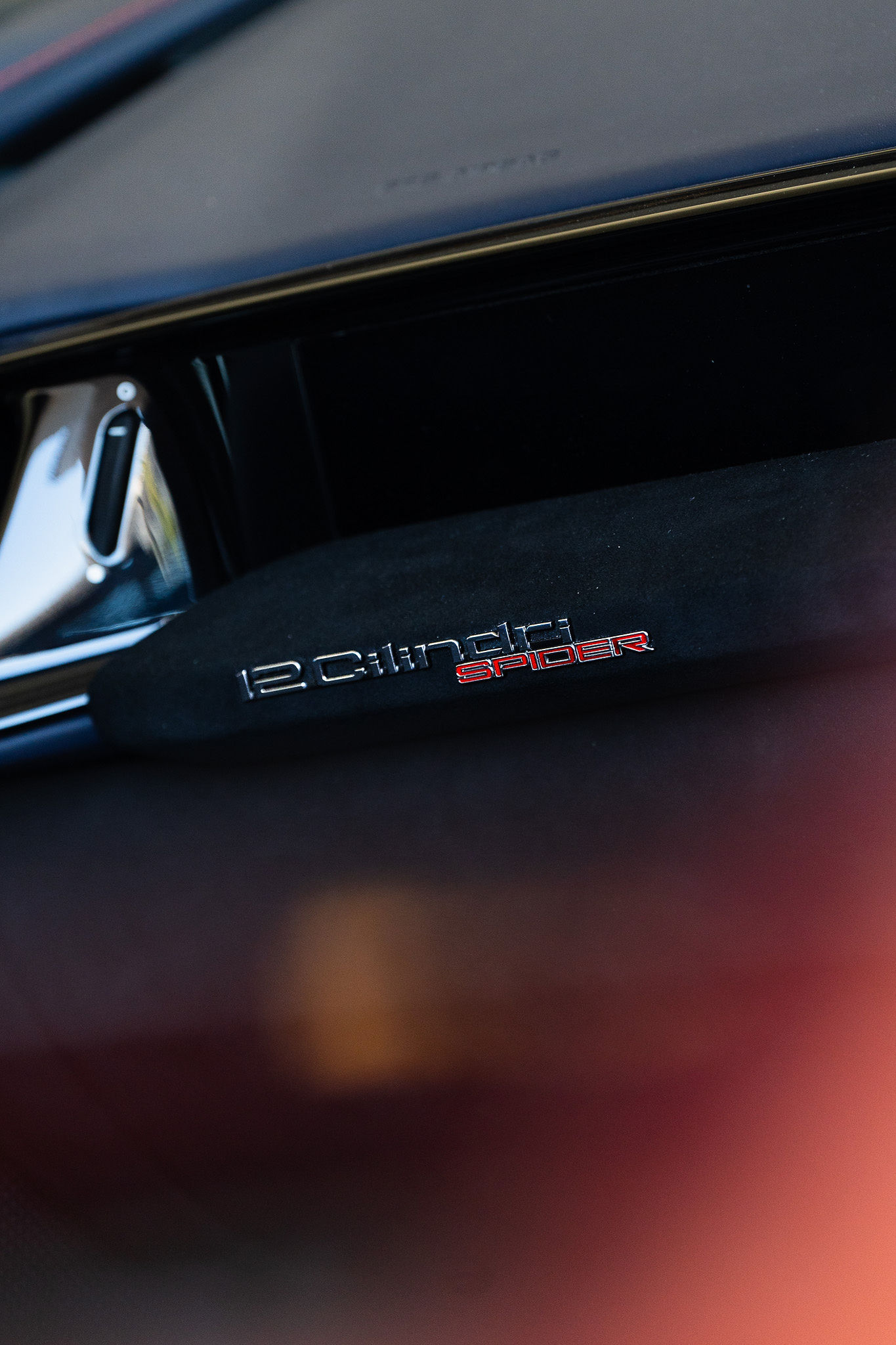
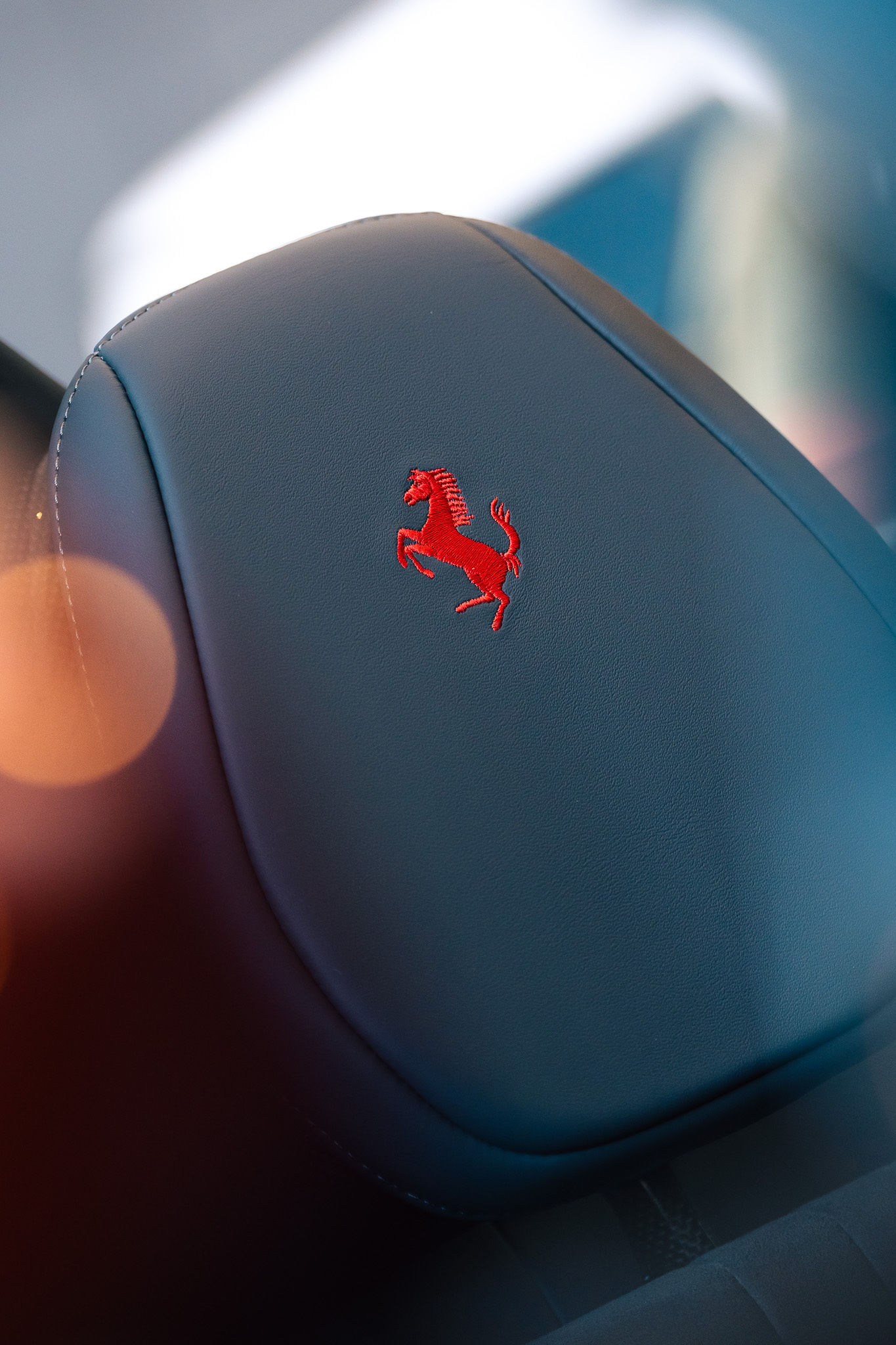

Best Combustion Supercar: Ferrari 12Cilindri Spider
A modern classic in the making, combining naturally aspirated power with elegant restraint to deliver performance that feels as refined as it is visceral.
In a year when carmakers of all persuasions sheepishly extended hyperbolic electric targets, it’s fitting that the monastic puritans of Maranello—who, lest we forget, won’t finally yield to the sin of battery power until October with the Elettrica—opted to make combustion their major power play.
As an uncertain future of AI omnipresence barrels towards us, the 12Cilindri—an analogue, open-topped tribute to Ferrari’s late-’60s/early-’70s grand tourer, the Daytona—represents a defiant fade into the past, a pause for breath, a fleeting return to The Good Times when nascent technology provoked excitement rather than existential dread.
Guiding this automotive nostalgia trip is, as the nomenclature suggests, a naturally aspirated 6.5-litre V12 engine, generating an unceasing wave of power as it sears towards the 9,500 rpm redline with relative nonchalance. That’s because the 12Cilindri is not a mouth-foaming attack-dog. It scales performance heights with the refinement of the finest Italian works of art; its “Bumpy Road” mode facilitates comfy al fresco GT cruising, and even the imperious powerplant is mannerly at most speeds.
For all the yesteryear romance, progressive technologies and engineering, such as a world-class 8-speed transmission, advanced electronic aids and independent four-wheel steering, are baked into the deal. The 12Cilindri’s clean, stark design somehow toggles between retro and modern; and while vaguely polarising, one can’t ignore its magnetic road presence.
In terms of aesthetics, Ferrari describes the 12Cilindri as being “ready for space”; in many ways, a fantasy vehicle that transports users to another dimension is probably what the world needs right now.
The Numbers
Engine: 6.5-litre V12
Power: 610kW
Torque: 678 Nm
Transmission: 8-speed dual-clutch auto
0-100 km/h: 2.95 seconds
Top speed: 340 km/h
Price: From $886,800
You may also like.
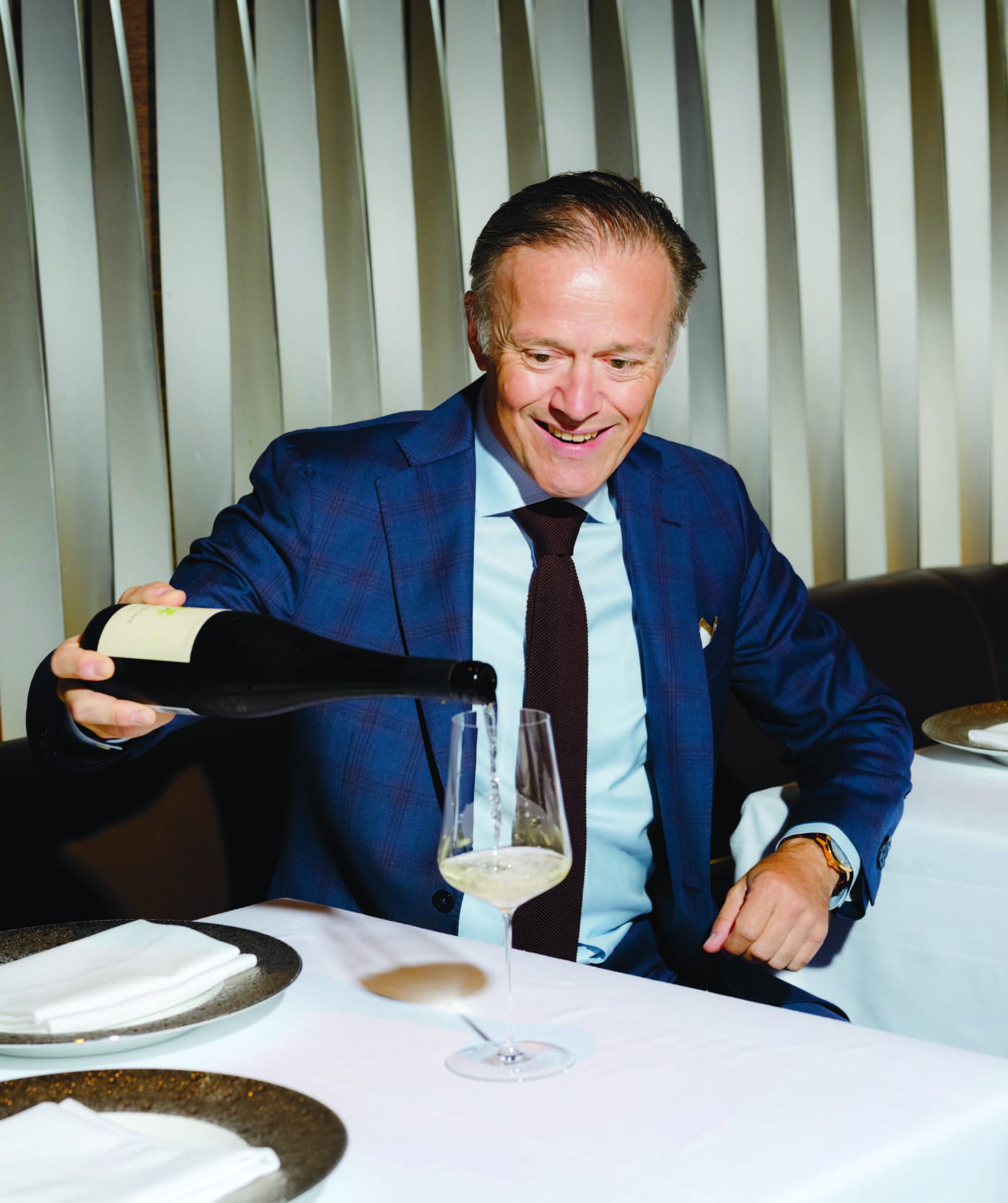
High and Low
At Le Bernardin, Aldo Sohm oversees one of the most formidable cellars in fine dining. But on the beach, he’ll happily drink a cheap rosé. The world-class sommelier explains why taste—and humility—matter more than price.
Aldo Sohm is one of the most accomplished sommeliers in the world. The 54-year-old Austrian heads up an oenophile’s empire on New York City’s West 51st Street, where he both serves as wine director at Michelin three-star Le Bernardin and leads his namesake wine bar, just across the road from the fine-dining institution. (He spends his time literally running back and forth between the two.) So it may come as a surprise that this man, who sips prized varietals all day, admits to the joys of a glass of Whispering Angel, a ubiquitous rosé that retails at stateside Target stores for US$22.99 (around $30) a bottle.
The context here is important; the aptly named Sohm is quick to clarify that he’s not about to start serving Whispering Angel as one of the pairings with chef Eric Ripert’s US$530 (around $750) eight-course tasting menu. But during a trip to the Caribbean for the Cayman Cookout food festival, Sohm’s wife requested a glass of rosé on the beach. When he went to fetch it, she specified that she wanted a cheap drop, not the fancy stuff that he likely would have grabbed. “I felt kind of gobsmacked, right?”
Sohm says as we’re sitting in the tasting room at Aldo Sohm Wine Bar. “Now, rather than just criticising, I have to admit: I got out of the water, and I tried Whispering Angel, too. It was delicious.”
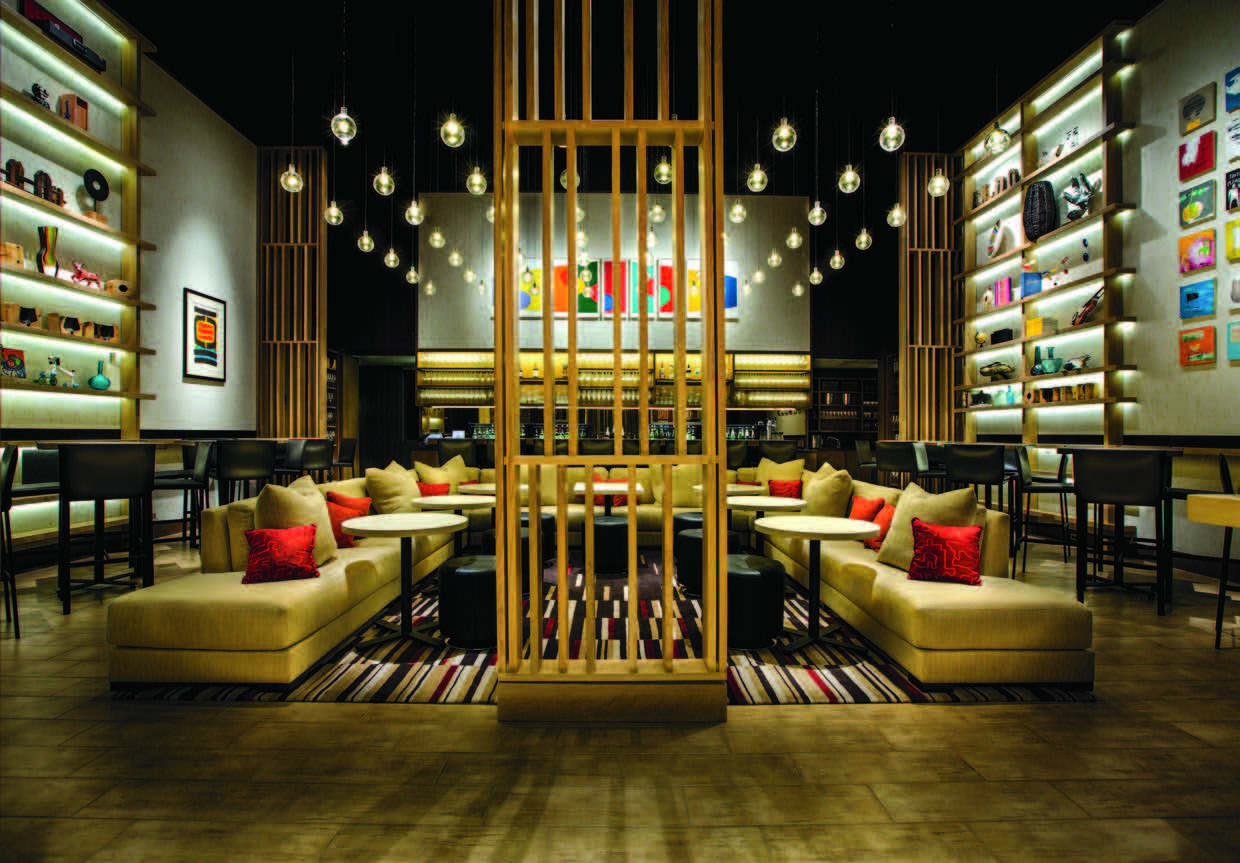
Unlikely as it may be, this humility is perhaps the key to Sohm’s success. His lack of self-seriousness makes him an anomaly in the oftentimes highfalutin world of fine wine. Rather than shaming you for your preferences, Sohm will indulge your desires. Maybe, as in the case of his wife, you’re going to be right. More likely than not, you’re going to be wrong. He won’t simply tell you that, though; he’ll use his encyclopedic knowledge of wine to subtly steer you in the right direction, allowing you to come to that conclusion on your own. “You just wake up from your dream—and mistake—and realise that, ‘Oh yeah, he’s right,’” says Ripert, who has worked with Sohm for almost two decades.
Sohm intended to move to New York for only 18 months. Growing up in Innsbruck, in the Austrian Alps, he wanted to be a helicopter pilot. Like many childhood fantasies, that didn’t come to fruition, and he settled on something more practical, becoming a teacher at a hospitality school. Having overcorrected—“That was way too boring for me,” he admits—he switched to the more public-facing side of the industry, getting a job as a restaurant server. It was then, when he was about 21, that Sohm fell in love with wine. (Prior to that, he was a self-proclaimed Bacardi and coke guy.)
After studying wine on his own time, he began his formal sommelier education in 1998. He rose quickly through the ranks and was named the best sommelier in Austria in 2002, a title he defended the following two years and reclaimed in 2006. Amid that stretch, he sojourned to New York in 2004 with the goal of improving his English to compete in international competitions. It paid off: four years later, he won the top prize from the World Sommelier Association. But more than the accolades, Sohm had discovered a career. By then, he had joined Le Bernardin after stints at Wallsé, Café Sabarsky and Blaue Gans—all Austrian restaurants in Manhattan.
“Back then we had a very strong French sommelier community, and they controlled everything,” he says. “And it was an uproar because how come an Austrian sommelier came to one of the most French restaurants?” He proved his bona fides, and in 2013 Ripert and Maguy Le Coze, the co-owners of Le Bernardin, approached him with the idea of partnering with them in a wine bar. It was Ripert who suggested putting the connoisseur’s name on it.
Aldo Sohm Wine Bar debuted the following year, with a team that Sohm handpicked. Sarah Thomas was part of that opening crew, after meeting Sohm during a fateful dinner at Le Bernardin with her cousins. When her relatives divulged to him that she was a sommelier in Pittsburgh, he proceeded to serve a blind tasting to Thomas. “He didn’t say what I got right or wrong. He didn’t care about that,” she tells me. “He just wanted to hear me talk about wine, I guess. So I did.”
When he offered her a job at the end of the meal, she laughed. Sohm didn’t. Thomas promptly packed up and moved to New York. After she spent about nine months at the wine bar, Sohm promoted her to Le Bernardin, where she worked for another five years. When she decided to start her own business—Kalamata’s Kitchen, which aims to teach kids about other cultures through food—Sohm was one of her earliest investors. He may have found full-time teaching to be too banal, but it’s still a huge part of what he does now, identifying the next generation of stars and giving them the guidance to grow into their own—whether that takes them into the upper echelons of fine dining or beyond the white tablecloths altogether.
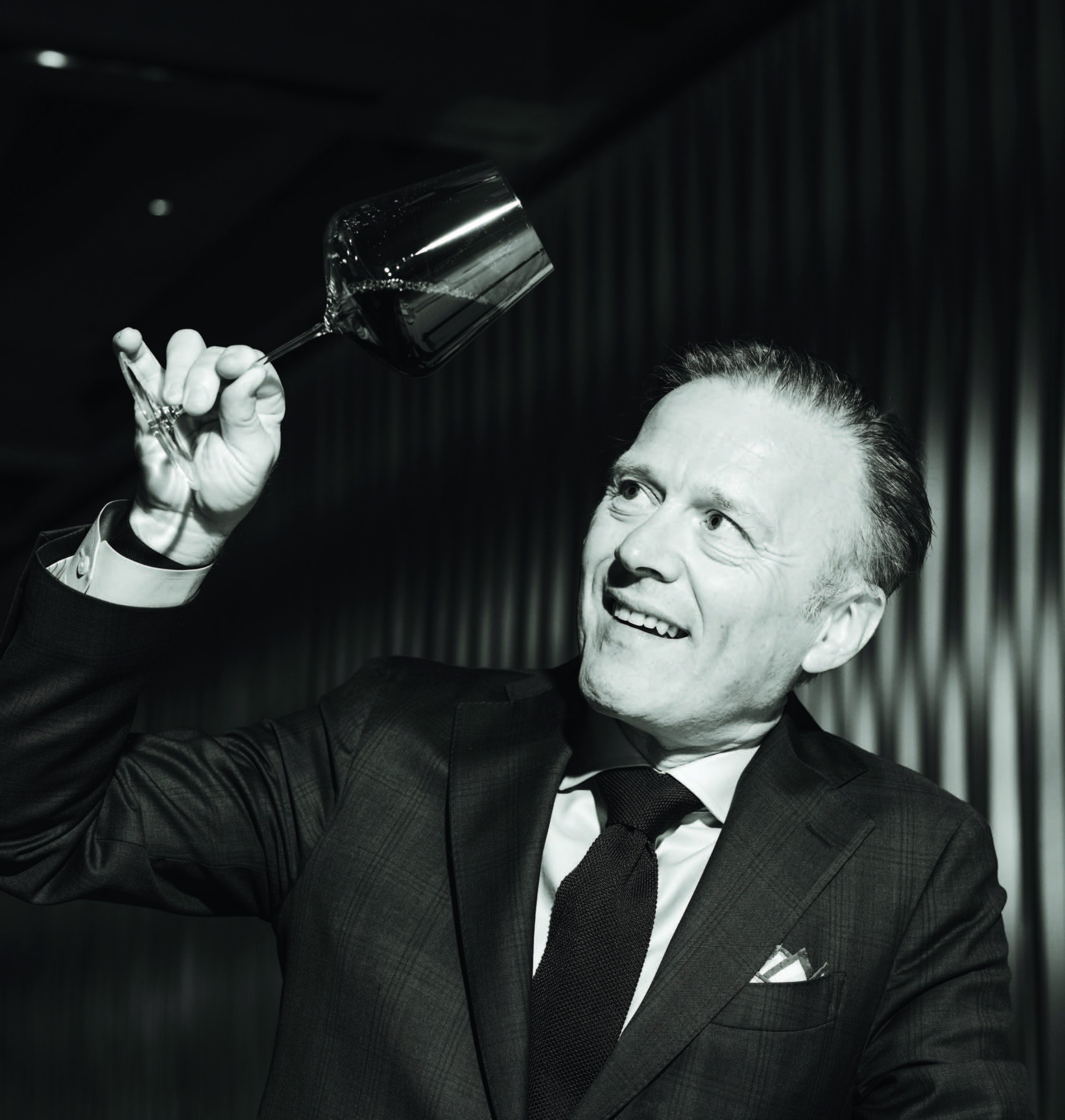
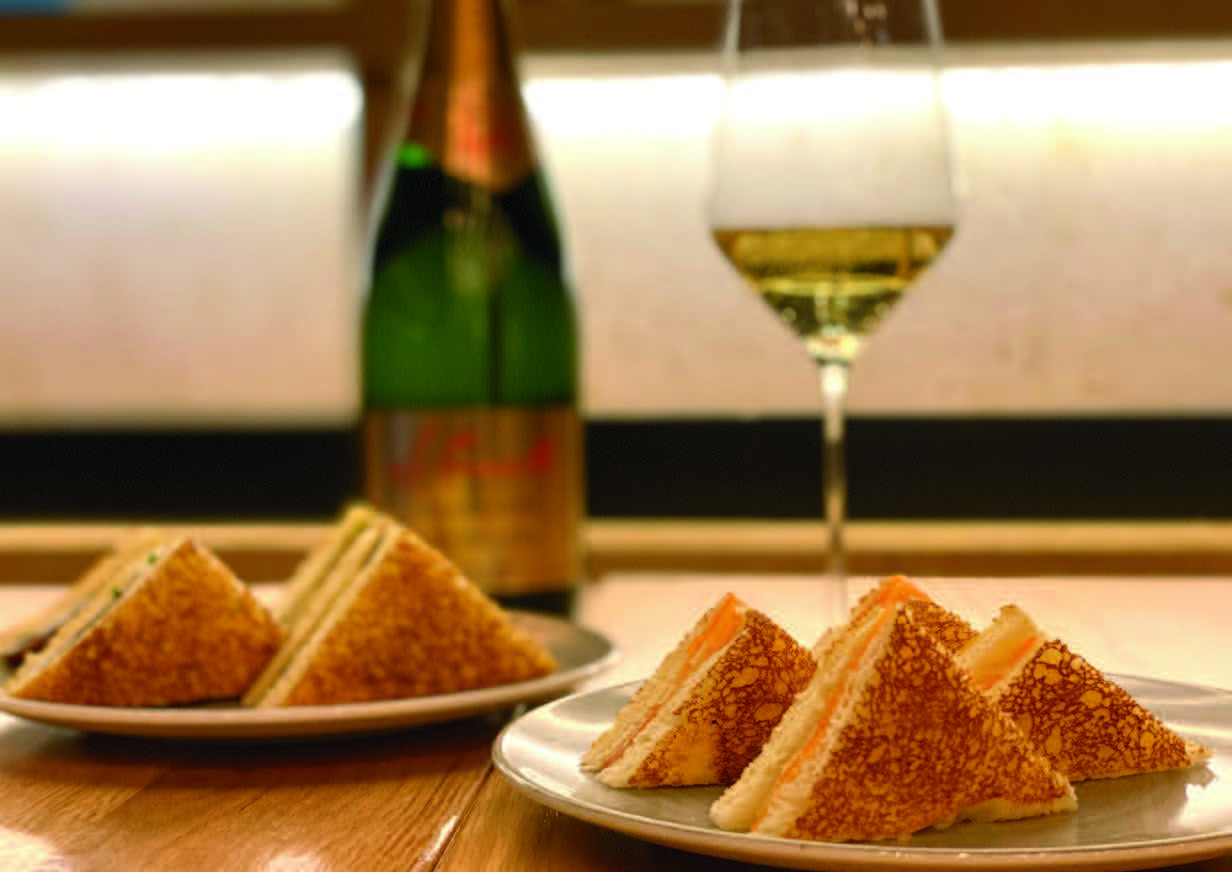
Overseeing two teams, at two very different spaces, feeds Sohm’s prodigious ambition. He’s on a mission to completely reshape the world of wine, from what’s in your glass to the glass itself to what you enjoy it with—say, Champagne with eggs. Along with his day jobs, he has partnered with the Austrian brand Zalto to create his own wineglasses. “As a sommelier, you criticise only, but you make nothing,” Sohm says. So, he also now wears the winemaker hat, producing a Grüner Veltliner under the Sohm & Kracher label, a relatively accessible quaff that’s a collaboration with his fellow countryman Gerhard Kracher. And in 2019 he added author to his résumé, releasing Wine Simple, a “totally approachable guide”, as the book’s subtitle puts it. He followed that up with Wine Simple: Perfect Pairings, to help you pick the right bottle for the right meal and the right moment.
“In wine pairings, you have three possible combinations,” Sohm says. “There’s the perfect pairing. Then sometimes you have flavours just going along… it’s like humans—they talk, they interact, but they never connect. And then there’s conflict.” It’s that first one he’s after every time.
“Sohm fell in love with wine when he was about 21. Prior to that, he was a self-proclaimed Bacardi and coke guy.”
Outside of the restaurant, the wine bar and the cellar, Sohm is an avid cyclist who owns six bikes, a number he admits is excessive—especially in New York City. Riding is what he credits with keeping him healthy, when so much of his time is spent eating and drinking—and drinking some more.
Still, despite the 18-year career at one of the world’s best restaurants, despite the top honours from his peers, despite the wine and the wineglasses and the wine books, Sohm doesn’t consider himself successful. Every day, he’s trying to figure out how he can self-correct. “I like what I do, so I go back home that night, think of things which I can improve,” he says. “I get annoyed when I make a mistake, but I improve the next day.”
His quest for perfection may never be over, but Sohm does concede that he’s happy—its own type of success. Sometimes he finds that happiness while sipping a glass of 1980 Domaine de la Romanée-Conti La Tâche, a bottle now so rare and coveted that he calls it “unattainable”. And sometimes, if to his chagrin, he finds it while drinking a mass-produced rosé on the beach.
Photography by Tori Latham
This article appears in the Autumn issue 2026 of Robb Report Australia New-Zealand. Click here to subscribe.
You may also like.

Going For Gold
Available in a range of shades and intensities, this metallic tone is still a first-place choice.
Above: Awakening 02, Sebastien Durelli Designed exclusively for StudioTwentySeven, Sebastien Durelli’s Awakening 02 floor lamp is available in a limited run of eight examples. Handcrafted in Italy from cast patinaed bronze, the striking piece takes inspiration from the naturally sculpted landscapes of Iceland, specifically the country’s glacial lagoons. The organic boulder-esque shade is rugged and elemental—like an exploded rock wrenched apart by seismic activity—while the base is sleek and symmetrical, providing visual balance in a deep bronze finish. From around $65,300
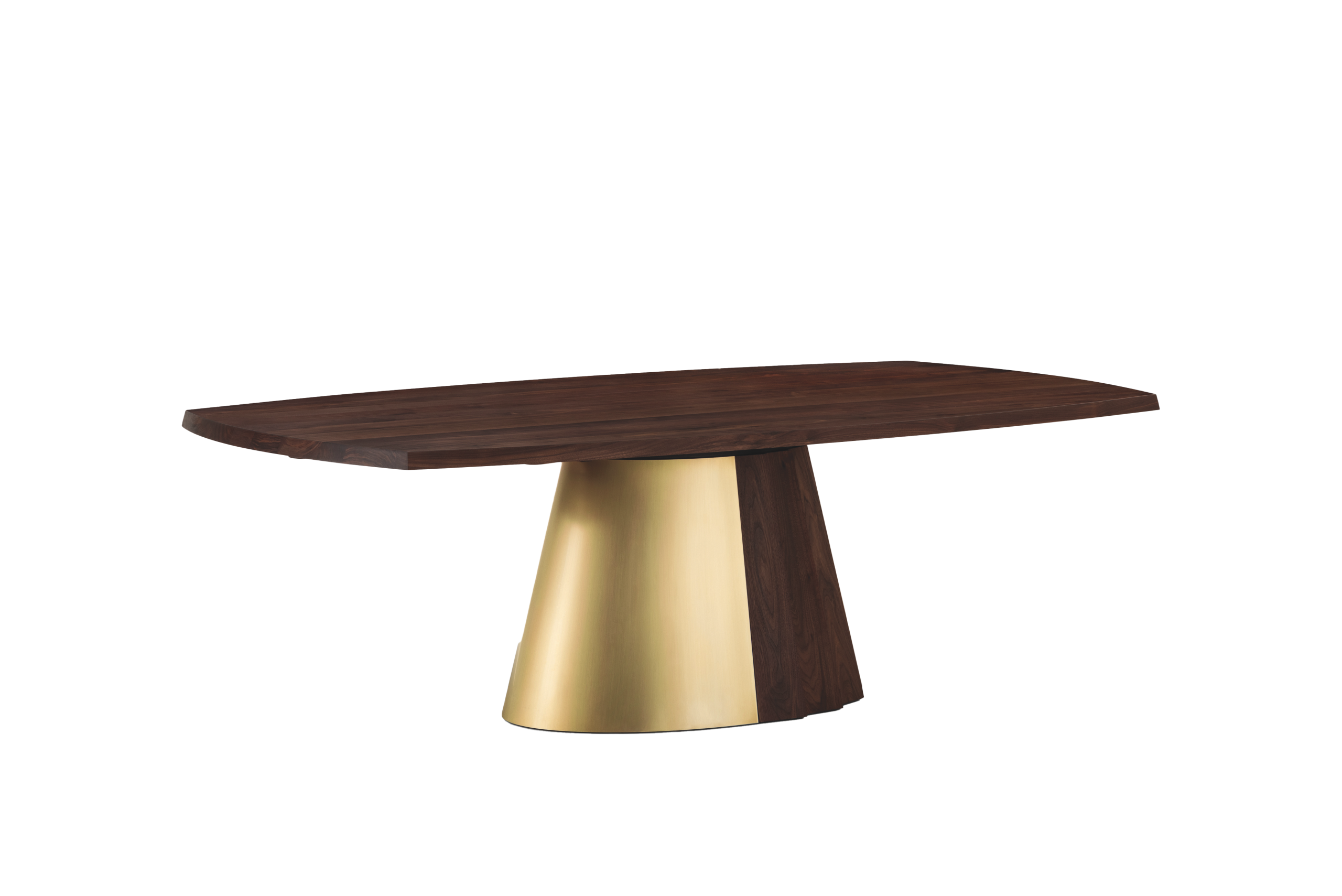
Above: Orion, De La Espada When it comes to the Orion dining table, the draw is in the details. Designed by Anthony Guerrée for De La Espada, this piece features a central base crafted from a series of overlapping wood slats—a textured moment that creates visual equilibrium with its smooth, curved-brass counterpart. A bona fide visual anchor, the Orion can be paired with thin-framed chairs for a sneak-peek view or heftier seats that provide a surprising reveal when guests sit down to dinner. From around $20,870
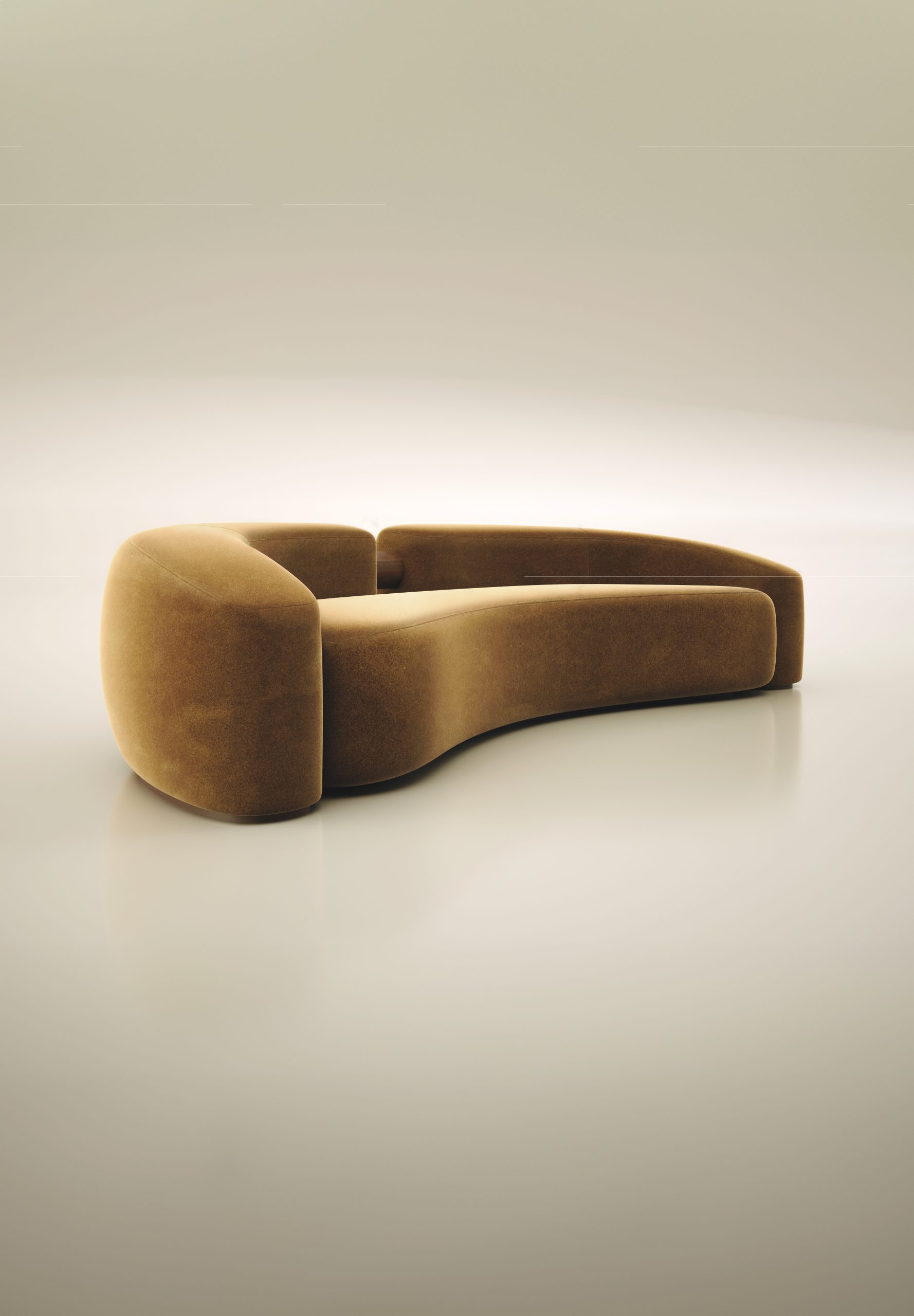
Above: LS35A, Luca Stefano This showstopper by Milan-based designer Luca Stefano is all curves. A sexy lounge sofa, seen here upholstered in Pierre Frey mohair with canaletto walnut details, the LS35A is available for customisation, but we think that this mossy-gold hue is incredibly chic, evoking the muted desert tones popular during the ’60s and ’70s. Around $66,280, as shown

Above: Jazz, Tom Bensari Part of master woodworker Tom Bensari’s Manhattan collection for StudioTwentySeven, the Jazz bookcase is an ode to the designer’s love of music. With edges that curve like brass instruments and shelves that skip like riffs, this unit is meticulously hand-built in Poland from oak and olive wood, with custom veneered interiors according to the client’s preference and a glowing finish that takes on a golden tint in just the right light. Around $29,320
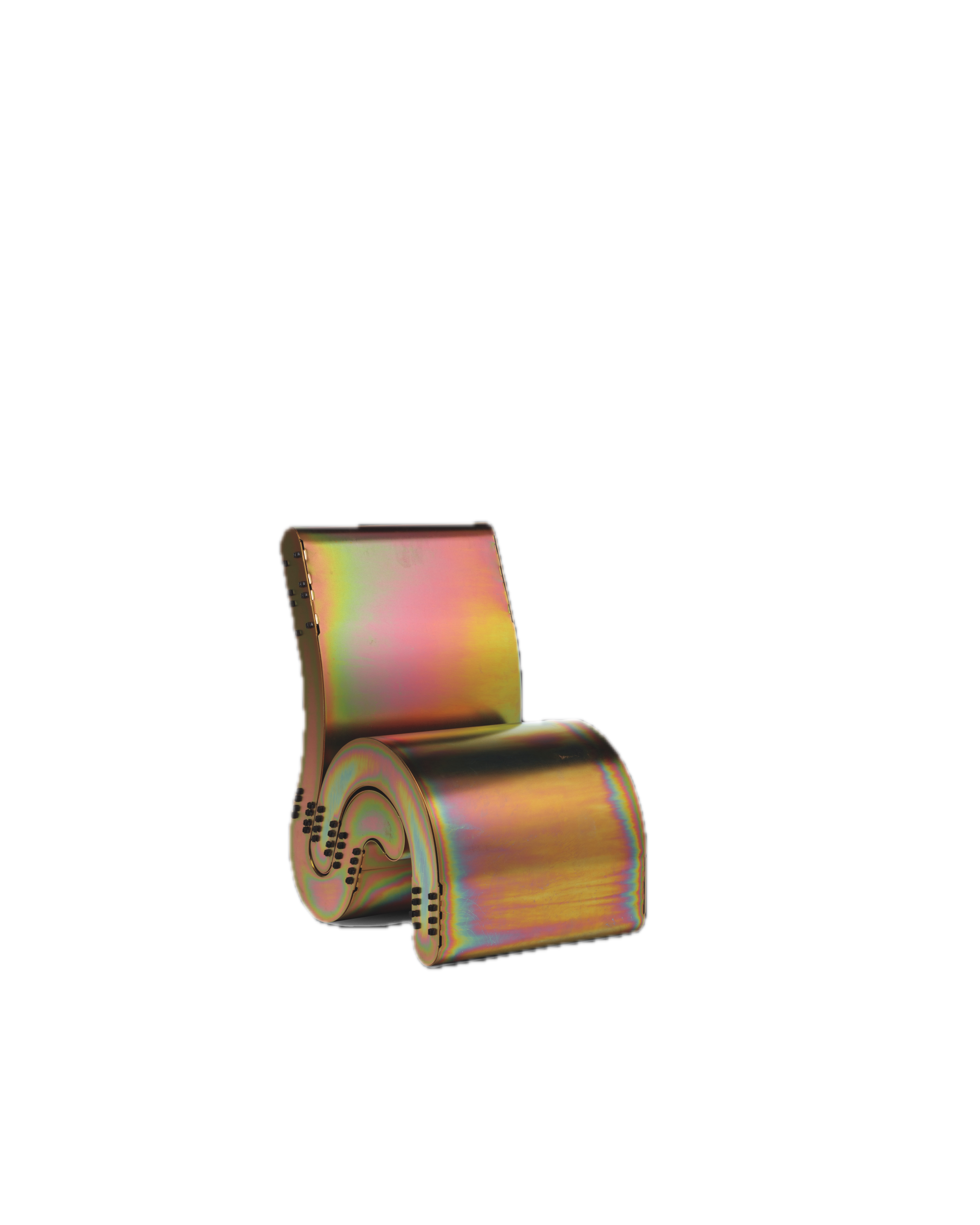
Above: Sleeper, Lucas Simões Last September at Christie’s in Los Angeles, Brazilian artist Lucas Simões unveiled his first furniture collection, Colendra. Presented in Lightness & Tension, an exhibition curated by roving gallerist Ulysses de Santi, Simões’s work is rooted in material exploration, as seen in the Sleeper chair, a curving steel form that suggests Brazilian midcentury modernism. A unique patina—which imparts the shimmery, rainbow-esque look of an oil slick—gives the piece a contemporary, artistic feel. Around $22,440
This article appears in the Autumn issue 2026 of Robb Report Australia New-Zealand. Click here to subscribe.