Why Zegna’s Alessandro Sartori May Be Menswear’s Most Distinctive Designer
The creative embraces his customers’ personal style via a sophisticated palette and languid textiles.
When I meet Alessandro Sartori a little over a year ago, the first thing that strikes me, under the searing sun on the shadeless rooftop of Shanghai’s Middle House hotel on a 90-degree day, is that the Zegna artistic director is clad head to toe in black. It’s not entirely out of the ordinary in an industry where often dogmatic designers can be easily caricatured by their uniforms (Karl Lagerfeld’s high-collared, heavily starched shirts, Yohji Yamamoto’s omnipresent trilby). But curiously, for Sartori, his choice of dress is neither a costume nor a direct reflection of the aesthetic of the 115-year-old Italian brand that he has led since 2016. “It helps me to think,” says the 58-year-old designer, whose Instagram bio declares, “I am a colourist but I always wear black.”
The second thing that makes an impression is how composed Sartori is—remarkably Zen even—mere hours before a major show. He is curious and thoughtful, carving out time to explore during work trips like this one, and he’s rarely without his Leica M10. On this particular afternoon, he is marvelling at the post-pandemic sartorial shift in the region, as witnessed on a recent flight from Chengdu to Hong Kong. “Before Covid, it was all loud logos and even louder garments,” he says. “I was sitting there watching, and people around me were wearing Arc’teryx, wearing Zegna, wearing monochrome, and wearing technical shoes with suits. And I said, ‘Where are we? Is it New York or London?’ ” There’s also little hint of big designer ego: When I suggest that perhaps he is underestimating the impact of Zegna on those changing tastes, as it was the first luxury brand to establish a boutique in mainland China, back in 1991, he demurs.
A Company Man, by Design
But make no mistake, he’s every inch a company man. Sartori’s ties to Zegna run deep. He joined in 1989 as a recent graduate of Milan’s Istituto Marangoni, working as a menswear designer. In 2003, he became the creative director of Z Zegna, which targeted a younger customer with more modern sensibilities. He remained in that role, firmly establishing the diffusion line’s identity, until 2011, when he was named artistic director of Paris-based Berluti, to which his command of colour was well suited. He assumed Zegna’s top creative post five years later. Since then, he has been refining his vision for clothing that, despite the brand’s rather rigid past, looks like nothing else on the market today—fervent efforts from copycats be damned.
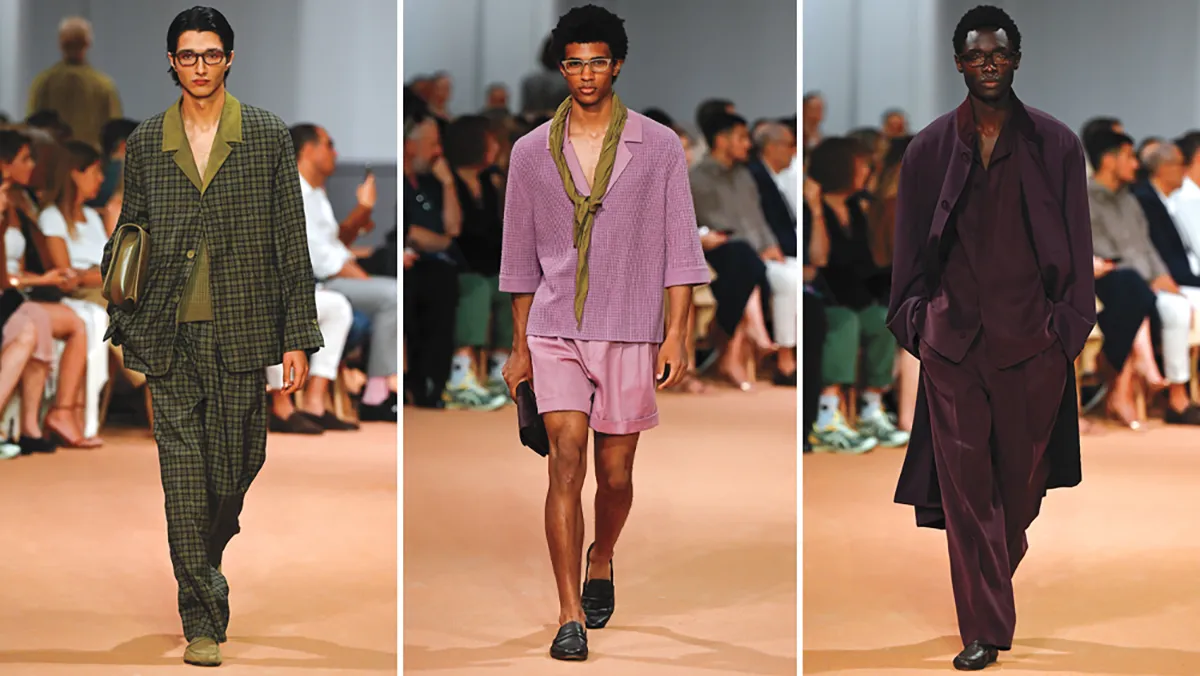
As the fall-winter 2025 lineup now hitting stores and the recently revealed spring-summer 2026 collection demonstrate, his is not a pin-sharp, wrinkle-free interpretation of luxury but a far more soulful approach that encourages men to blend cherished wardrobe pieces with fresh acquisitions over time.
Against Dictates, For Real Life
“I’m watching how my clients are styling, living, travelling, thinking, and working,” Sartori tells me not long after presenting his latest collection. “I need to be always plugged-in. It’s very important to be into your own community because today in fashion you can’t dictate anything any longer. It is now about offering a full proposal with meaning and being able to surprise in a good way. If you think you can dictate by pushing products that are overdesigned, through blind trust, you will go nowhere because those years are gone.”
If there was an aha moment for Sartori, it was the fall-winter 2021 collection. Designed at the height of the pandemic, the elegantly supple clothes made clear that the designer was in tune with his customers and was charting a new course for Zegna. The finishing touch: the momentous dropping of “Ermenegildo” from the brand’s name to better align with the stock-ticker symbol, ZGN, on the occasion of its I.P.O.
“While many wondered how to approach fashion during such a seismic event, Alessandro was more than ready to meet the moment,” says stylist Julie Ragolia, a longtime collaborator. “Clothes are the closest things we hold to our bodies, to our hearts. Deciding to work entirely in cashmere for that collection was bold, but also precise. He built at once a sense of armour and comfort at a time when people needed that most from their wardrobe. Understanding that link has always been Alessandro Sartori’s science. But being able to express this through the medium of film [in the absence of runway shows] allowed a more widespread audience to witness the brilliance of how his mind works.”
It’s a science that many a brand is doing its darnedest to study. Imitators abound, and the number of riffs I saw on the best-selling elasticised Triple Stitch sneakers (a $1,500-plus gateway buy, prominently featured on Succession) and moccasin loafers at both the Pitti Uomo trade show and in Milan showrooms could justify keeping several intellectual-property attorneys on retainer.
But the fact is, no one is doing what Sartori is doing. Perhaps not since Giorgio Armani shook up the industry with his fluid tailoring in the 1980s has there been such a sustained, singular vision in menswear, though Ragolia cites Rick Owens as another directional, influential creator. “And Thom Browne revealed the ankle, changing tailoring forever,” she adds. “But Alessandro Sartori, he changed the way people dress as a mindset. That’s an impact that is incalculable.”
Cars, Colour, and Control
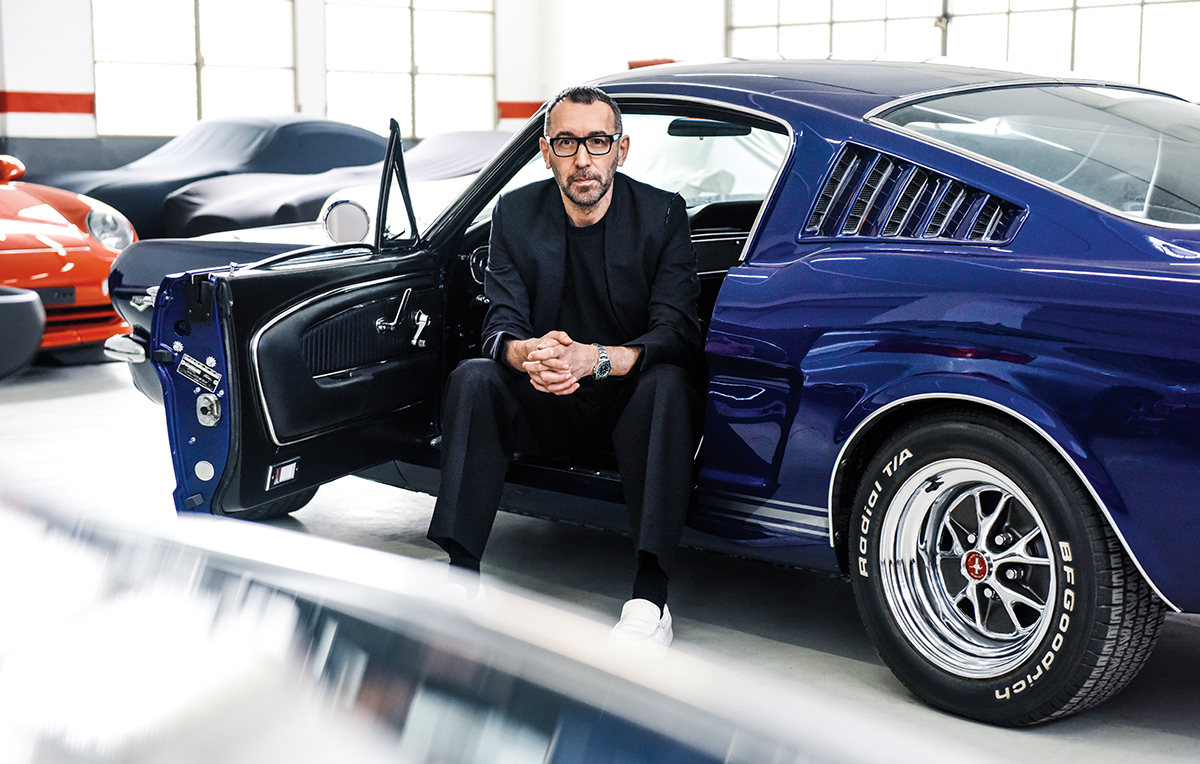
When I catch up with Sartori via Zoom on a recent summer evening, he is en route to a dinner with his car club, Oca Rossa, in the northern Italian countryside. He insists on pulling over to send a photo of his ride, a 1972 Porsche 911 Targa. It’s just one vintage automobile in a collection so impressive that he created Milano Garage to house it, then invited other discerning collectors to rent space there. Cars also present Sartori with another opportunity to experiment with hue. “In order to enjoy colours, I need to be hiding behind the screen,” he says, or in this case, behind the wheel. “My car tonight is signal orange, which is pretty strong.” He, on the other hand, is all in black.
Before he had keys to a red 1972 Lancia Fulvia HF, a bronze 1981 Porsche 911 Turbo, and a blue 1965 Ford Mustang Fastback 289, a young Sartori used to tool around this same terrain on his bicycle, in the shadow of the Zegna wool mill. The aptly named Sartori was born in Trivero, a stone’s throw from Zegna HQ, to a mother who had an immeasurable influence on his future vocation: She was a dressmaker, and he would often accompany her on Saturday outings to purchase fabrics. “When I was 7, 8, 9, I remember cycling around those villages and passing in front of the Villa Zegna and the wool mill,” he says. “And from the gate of the Casa Zegna, it was possible to see inside the place and some of the beauty. That got me dreaming. But at that time I didn’t know it was Zegna. I just loved the place.” One can’t help but get the sense that his career was a bit preordained, particularly when taking into account how textiles are woven into Zegna’s D.N.A.
Unlike most fashion houses (Loro Piana being a notable exception), Zegna operates five dedicated state-of-the-art mills. Its origins, in fact, lie in textile manufacturing, and that expertise in raw materials remains at the heart of all the brand’s enterprises. Sartori meets weekly with his team to discuss the latest technologies and determine which fabrics are required for which garments, whether it’s an airy silk-linen blend or a proprietary waffle cloth that combines 50 percent recycled paper gathered from magazines and newspapers with 50 percent cotton. And then there are the ultralight leathers. One particularly innovative look from spring-summer 2026 is a brown and cream plaid jacket that visually reads as a cashmere-linen blend but is in fact knitted from thin strips of leather.
Such lightness of materials was well suited to Dubai, where Zegna presented the collection in June, leaving a gaping hole in the Milan Fashion Week schedule (the brand typically closes out the event). The show wasn’t a mere replay of designs previously introduced in Europe, a common publicity move for brands, but a full-scale unveiling that saw the entire Zegna team decamp for several weeks to one of its major markets. “The collection went straight from the atelier to Dubai without any editing,” says Sartori. “The full team, 51 people, 17 of them tailors.”
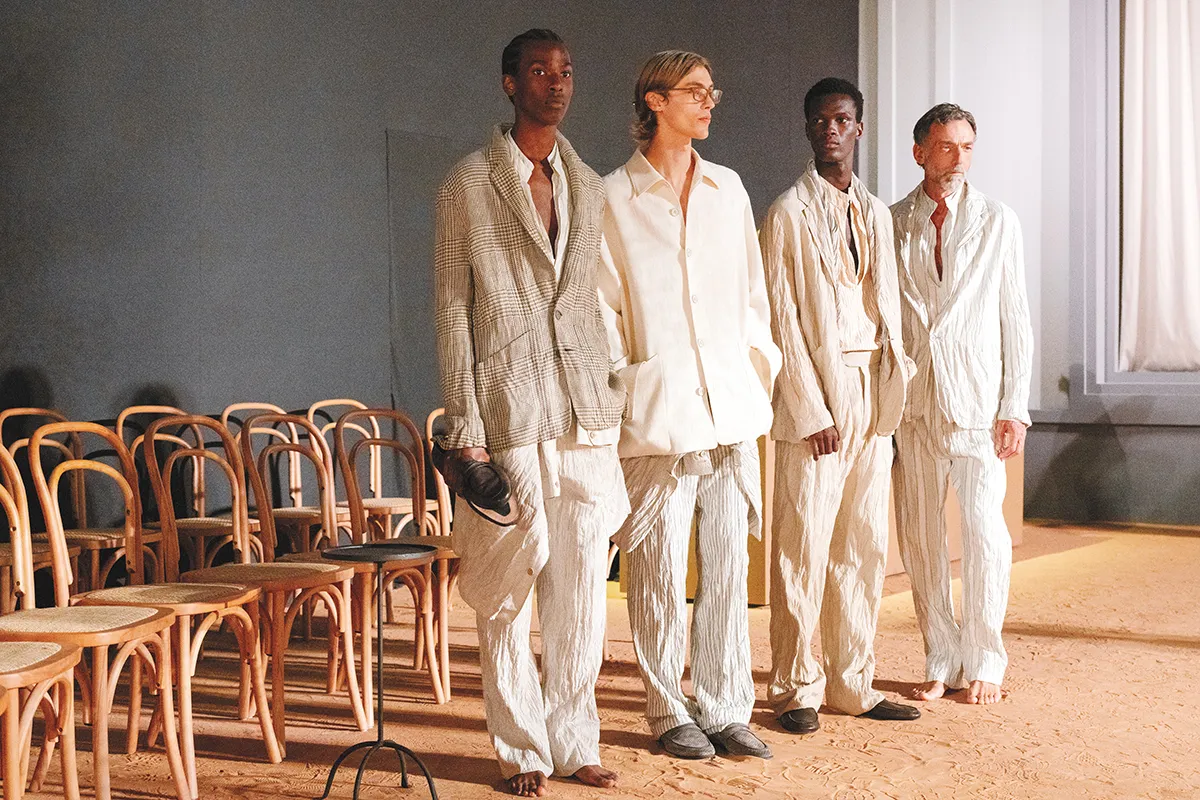
Even when not on the road, Sartori understands the importance of creating an immersive experience, often allowing guests time to walk around the sets and to see and feel the clothes postshow. “The Zegna runway shows have grown over the years in their scale, scope, and spectacle, with truly awe-inducing, cinematic treatments executed to jaw-dropping effect,” says Bruce Pask, senior director of men’s fashion at Saks Fifth Avenue and Neiman Marcus. “There is always a vital, fundamental idea at the center of each visual concept that absolutely underscores and amplifies the core message and meaning of the collection.” Past shows have featured mountains of cashmere fibers and linen-clad models weaving through stalks of flax. The Dubai event was no exception. Zegna transformed the city’s opera house into a desert oasis complete with sand dunes, local flora, and a sun-bleached palette that echoed the clothing, which had an intentionally lived-in feel. Sartori went heavy on layering and monochromatic pairings (think sets over suits). He also threw out the rule book on seasonality.
“The clash between seasons is part of [the vision], the idea of accumulating, of layering, and of stratification,” says Sartori, attributing his approach to his habit of working on more than one collection at a time rather than making an abrupt shift every six months.
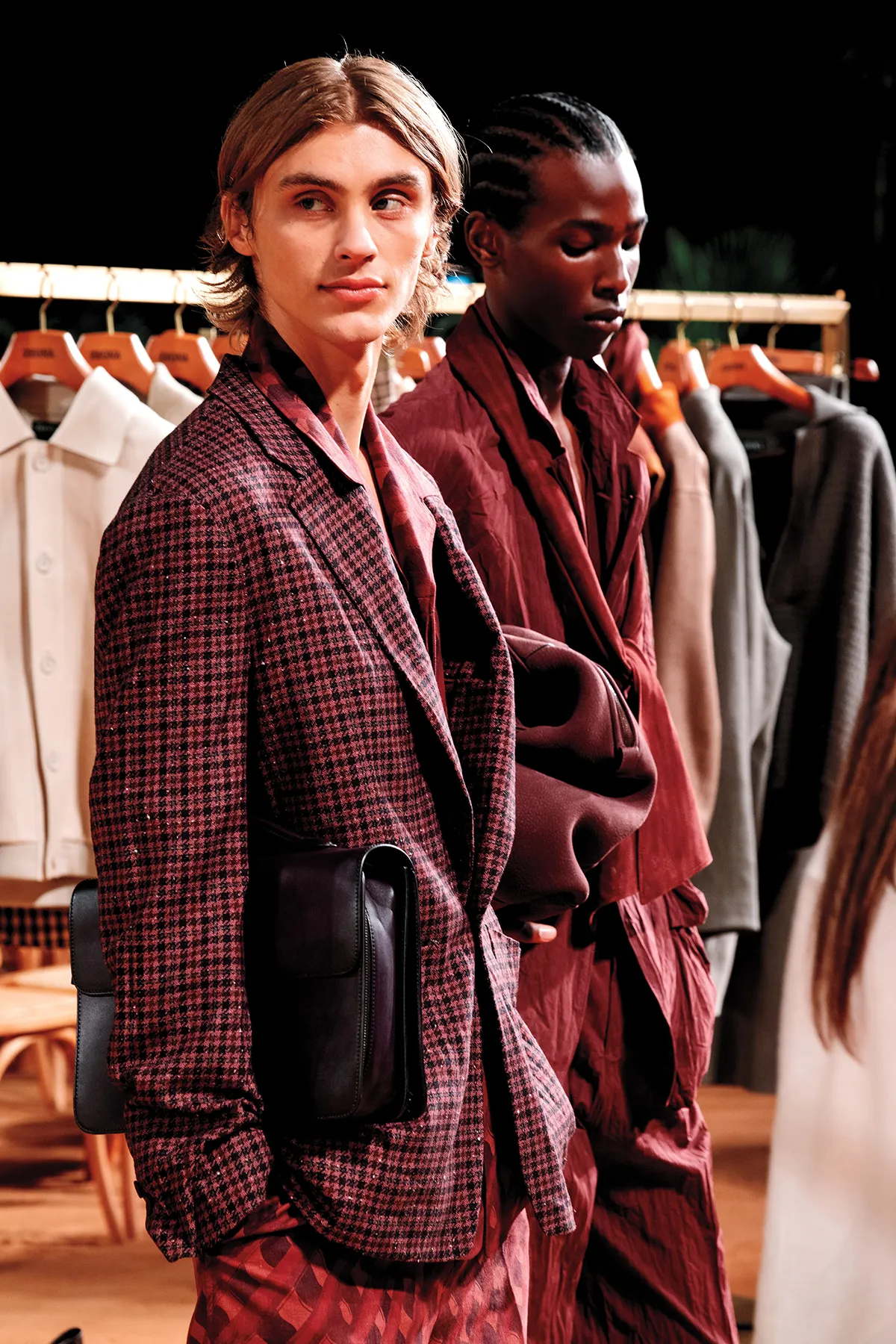
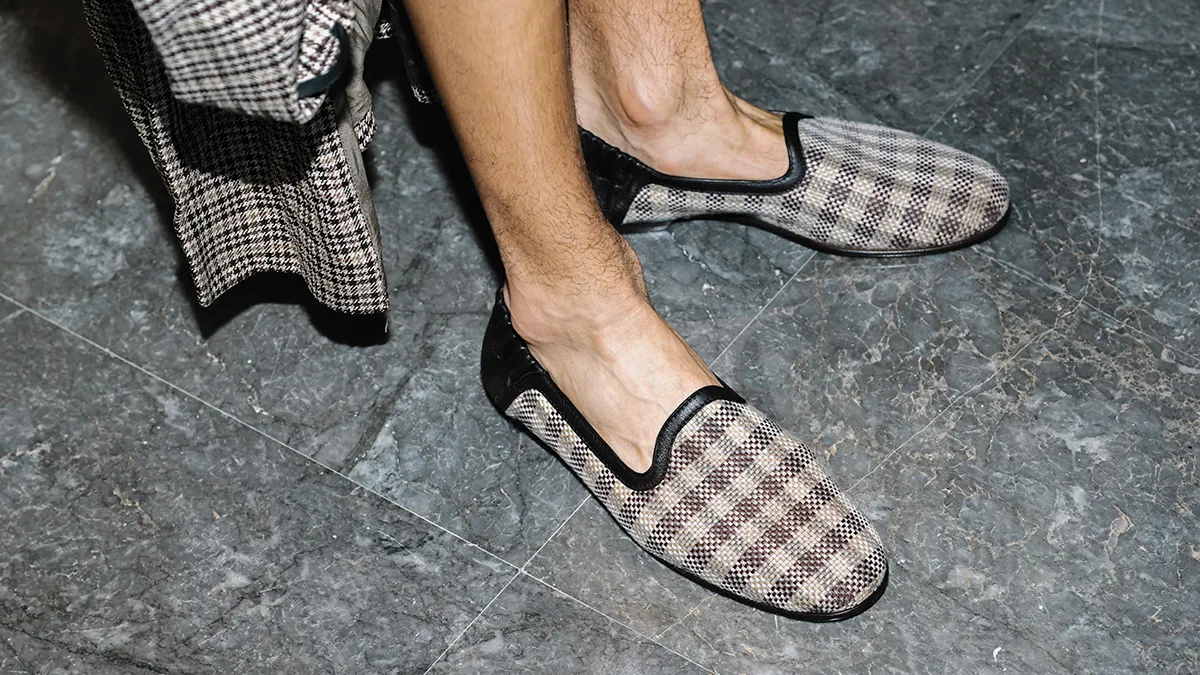
The collection’s technical achievement lay in Sartori’s innovative take on summer suiting, for which he developed extraordinarily lightweight linen garments through advanced construction methods that eliminated traditional linings while maintaining structural integrity. Slipper-thin loafers and bare feet kept things light, and even his signature banded-collar Il Conte jacket was made ever so slightly oversize, creating a more relaxed appearance. Eventually, the desert neutrals gave way to buttercream, chartreuse, oxblood, burnt orange, and lavender, while tunics and shorts were paired with tailoring. Sartori, the self-professed man in black, took his bow in a relatively pale, grey ensemble for a change alongside singer-songwriter James Blake, who provided the music.
All Roads Lead Back to Oasi Zegna
Despite the spectacular destination shows, for Sartori and Zegna, all roads lead back to the Biellese Alps—specifically, a nearly 40-square-mile reforestation project and nature preserve known as Oasi Zegna, which Ermenegildo Zegna had the foresight to set aside for conservation in the 1930s, and which today remains a touchstone for the brand. Over the past nine decades, the company has planted more than 500,000 trees, sowing the seeds for the sustainable ethos that guides all things Zegna. That means traceability, from crop to garment (with full journey details for its Oasi cashmere accessible via Q.R. code hangtags), reliance on 100 percent renewable energy in the U.S. and Europe, and an enduring awareness that a great wardrobe, like a forest, is built over time, not in one fell swoop. “We are designing for a man that is collecting. We’re giving values to the garments, blending season after season, as a normal man does with his own wardrobe and products,” says Sartori. “We want to create a collection that is timeless in the quality, in the design, and in the aesthetic.”
The Zegna customer chooses his acquisitions with care, and the same can be said of Sartori and his collaborators, many of whom have been in his circle for a decade or more. Julie Ragolia, who has styled the shows and a variety of the brand’s campaigns for several years, met Sartori in 2014. “I think we had seen what each other was doing and felt a certain like-mindedness, and I remember having had the most incredible conversation about art, fashion, and culture,” she says. Not long after, Sartori invited her to style the Berluti shows in Paris, and when he returned to Zegna, he asked her to follow. This fall will mark 10 years that the two have worked together.
With a far less dictatorial approach than many of his peers, Sartori is more interested in how Zegna’s customers live and interact with their purchases, whether they are cool 20-somethings in Tokyo or chic septuagenarians in Toronto. I witnessed this approach firsthand in Shanghai when actor Mads Mikkelsen, then 58, alongside Gen Z actor Leo Wu, managed to move nearly $10 million worth of Zegna merchandise in a single hour, all via WeChat live stream. Sartori also takes a global perspective, picking up references from all corners. “I watch everything, and I see everything, but I don’t design for one specific place in the world,” he says. For him, it is more a matter of style, values, and supporting a customer who is conscious about what they are buying, how it is made, and how it will fit into not only their lifestyle but also their existing wardrobe. Evolution and a certain continuity are key—chasing trends is not.
That regard for agelessness and placelessness is also reflected in the casting for shows and ad campaigns. In addition to a span of generations and ethnicities, it’s not uncommon to spot a few women in the mix—though Sartori has no plans to do women’s suiting anytime soon. “No, no, no, it is not a sign of things to come,” he says. “I love to design for men, but I think that women can easily borrow garments from the boyfriend, the partner, the father, the husband. Because those pieces are also good for women with the right dose, so maybe one jacket, a beautiful piece of knitwear. And I like offering a vision of [that] woman. I think it’s very interesting.” Mikkelsen has been a brand fixture for several years, having walked in shows and fronted campaigns, the most recent being spring-summer 2025. But it was the choice of 60-something entrepreneur and famed watch collector Auro Montanari (a.k.a. John Goldberger to legions of horology aficionados who follow him online) that caught the attention of the Financial Times and had social media buzzing. When Zegna approached him about a shoot, Sartori recalls, “He said, ‘Ale, I’m not a model, I’m a doer.’ ” Montanari also made the journey to Dubai, thrilling 40 watch collectors, both locals and V.I.P.s flown in from around the world, who were treated to a talk by the expert.
“Alessandro is an incredibly gifted, experimental, and intuitive designer,” says Saks and Neiman’s Pask, noting Sartori’s rare combination of creativity and pragmatism: His timely embrace of sportswear led the century-old institution to evolve beyond its more traditional sartorial history. While profits for the Zegna Group, which also includes Thom Browne and Tom Ford, slid slightly in 2024, the Zegna brand’s revenues have grown steadily, reaching about $2.2 billion last year. The annual earnings report makes for interesting reading during a time when both LVMH and Kering have taken significant hits while brands such as Brunello Cucinelli—which also places a priority on sourcing, ethical production, and transparency—have seen sales rise. Whether the customer was already in search of sustainable options is almost inconsequential, as Sartori and company, never far from their roots, have made a priority of amplifying the values of Ermenegildo Zegna.
Still, Sartori must sell a dream, albeit a wearable one, and he continues to explore that realm between the classic and the avant-garde, to the delight of modern men—and a few women—of style and substance. Ragolia recalls a recent encounter at a gallery opening in New York, for which she donned Zegna. “I was standing near a friend who was talking to one of the artists, who kept staring at me,” she says. Eventually, the artist approached, touched Ragolia’s sleeve, and asked, wide-eyed, who had made her jacket. “When I told him it was Zegna, he continued to marvel over the fabric, the weft and weave, the colour. In a crowded gallery, where his works lined the walls, this artist was talking about Zegna.”
Sartori may be creating a new benchmark for what a large luxury brand can be, but he references the advice to “buy what you like,” now a standard line whether you’re in the market for an artwork or a pair of trousers. “It seems simple, but it isn’t,” he says. “Customers in fashion have been around dictates too long. Now it’s time to go personal, to feel yourself, to build your wardrobe from listening and watching but in the end make your own decisions, because fashion and garments only really have a meaning when they are your garments, designed to make yourself better. I don’t want you to be somebody else.”
Subscribe to the Newsletter
Recommended for you

Seeing is Believing
Not content with simply fashioning bougie eyewear, British outfit Cutler & Gross has focused its gaze on upscale collabs. Rule number one: don’t compromise authenticity.
By Oren Hartov
December 16, 2025
Holiday Gift Guide
The supreme Christmas wish-list awaits—maximum impact guaranteed.
December 15, 2025
You may also like.

17/12/2025
17/12/2025

You may also like.
Mauve on Up
Brisbane boutique stay Miss Midgley’s offers a viscerally human experience—especially if you dig pink.
On a sun-bleached corner of Brisbane’s New Farm, where the scent of frangipani mingles with the clink of coffee cups, stands a building that has lived more lives than most people. Once a premier’s residence, an orphanage, a hospital and a private school, the 160-year-old stone structure now finds itself reborn as Miss Midgley’s—a boutique stay that teaches a masterclass in how to make heritage feel modern.
Designed and run by architect-mother-daughter duo Lisa and Isabella White, Miss Midgley’s captures the cultural confidence of a city in bloom. Nowhere is that new confidence more visible than along James Street—the leafy, slow-burn heart of the city’s fashion and dining scene—where Miss Midgley’s sits quietly at the edge, its shell-pink façade glowing in the subtropical light.
Built of Brisbane’s rare volcanic tuff, the building’s soft mauves and pinks are more than aesthetic; they are its identity. Locals still remember its 1950s incarnation as the Pink Flats, and the Whites have honoured that legacy with a contemporary blush-toned exterior, chosen to harmonise with the stone’s peachy undertones. Inside, those hues continue in dusty terracottas, russets and the faint shimmer of brass tapware. “Design can’t afford to be for the sake of fashion,” Isabella White has said. “It has to respond to what’s in front of you.”
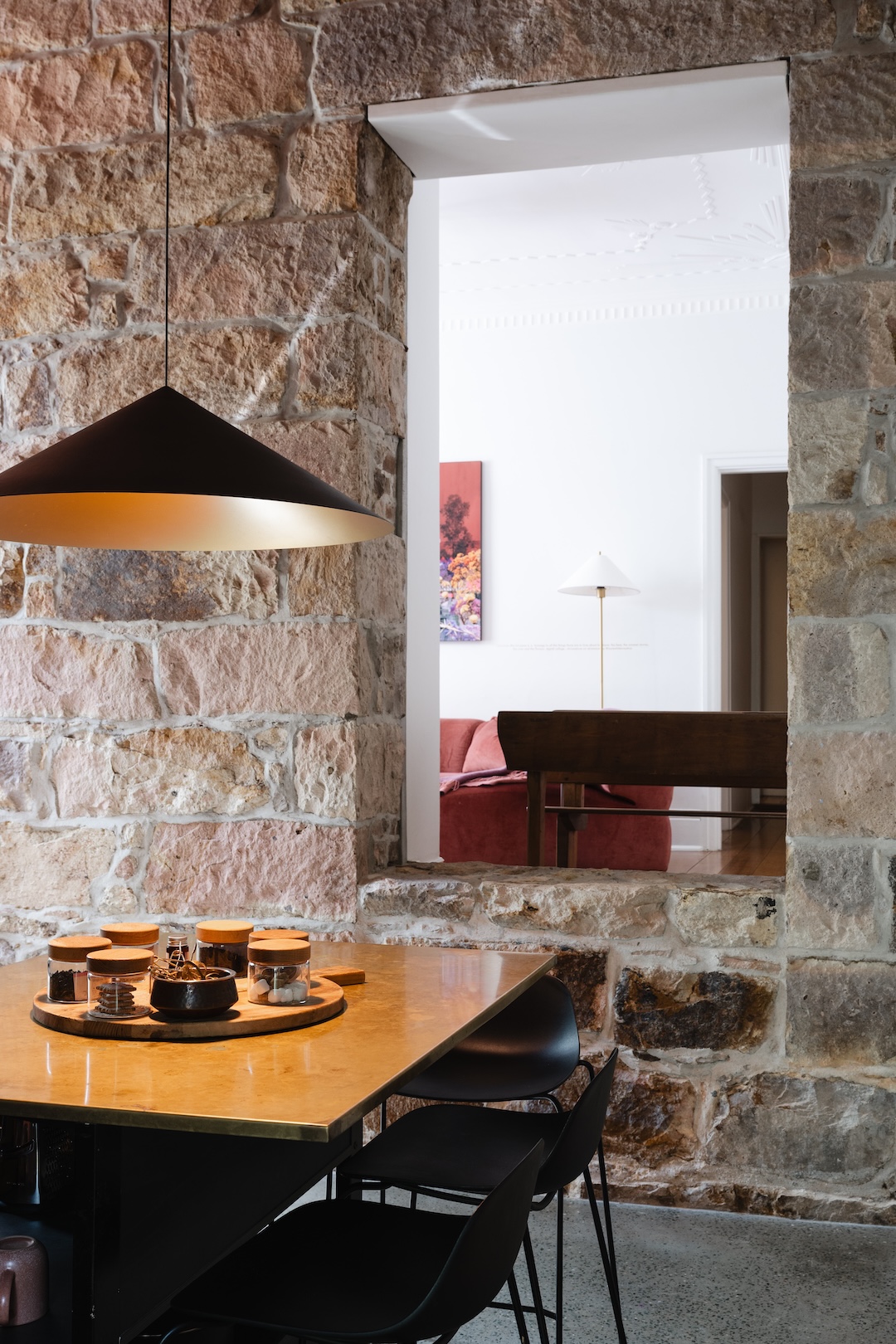
That sentiment is tangible in every corner. Five apartments, each with their own idiosyncratic floor plan, occupy the building. Ceilings bloom with heritage plasterwork, 19th-century wallpaper fragments have been preserved in the kitchens, and tiny hand-painted notes left by the architects point out original quirks: a misaligned beam here, a hidden archway there. It’s a kind of adult treasure hunt for design lovers, where discovery feels personal and unforced.
Even the picket fence, a heritage requirement, has been reimagined in corten steel—a sly nod to regulation turned into sculpture. It’s this blend of reverence and rebellion that gives Miss Midgley’s its edge: heritage without starch, nostalgia without sentimentality.
True to Brisbane’s easy elegance, luxury here is measured not in marble or minibar but in proportion, privacy, and personality. Each apartment—from the Drawing Room and the Assembly Hall to the Principal’s Office—is a self-contained sanctuary with its own kitchen, large bathroom and outdoor space. The ground-floor units open onto leafy courtyards and welcome small dogs; upstairs, the larger suites spill onto verandahs shaded by jacarandas.
At the heart of the property lies a solar-heated pool hemmed with tropical greenery and fringed umbrellas—more mid-century Palm Springs than colonial Brisbane. Around it, guests share a petite laundry, a communal library and that rarest of urban luxuries: a car park per apartment. The atmosphere is quietly collegiate—a handful of travellers who might nod to each other on the stairs but otherwise inhabit their own creative bubbles.
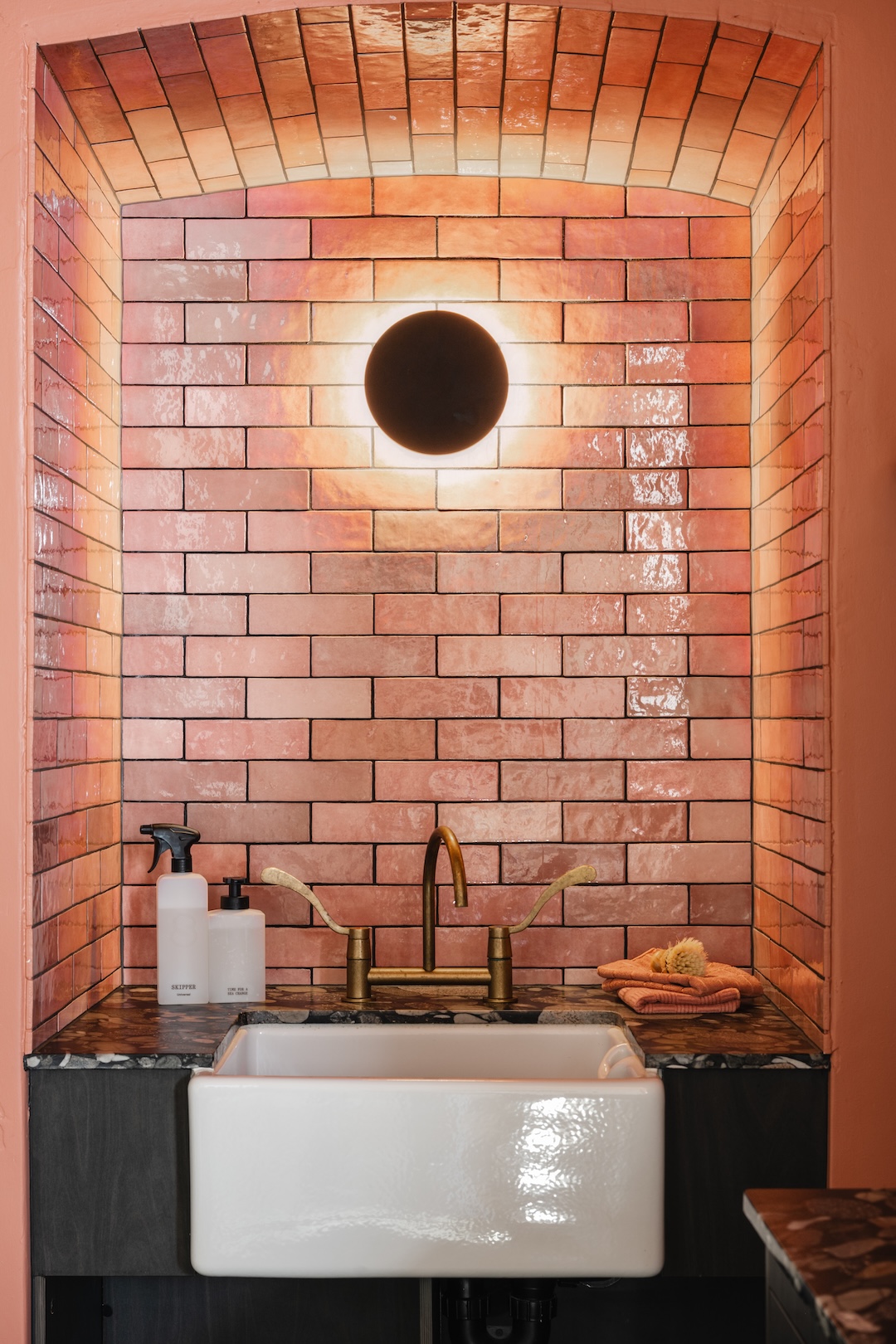
The hotel’s namesake, Annie Midgley, lends the project both its name and its spirit. An ambidextrous artist and teacher, she famously instructed two students at once, writing with both hands simultaneously—a fitting metaphor for the dual vision the Whites bring to the building: one hand rooted in history, the other sketching toward the future. “Not famous, yet known,” goes the property’s understated tagline—and indeed, Miss Midgley’s has quietly become that most desirable of addresses: the one whispered about by people who know.
Sustainability isn’t an accessory here; it’s structural. The adaptive reuse of the heritage building is its boldest environmental act. Solar panels power the property; an electric heat pump warms the pool; recycled decking and tiles frame the courtyard. The metre-thick tuff walls regulate temperature naturally, and the amenities follow suit—refillable bath products, biodegradable pods, Seljak blankets spun from textile off-cuts, and compendiums wrapped in Australian-made kangaroo leather. It’s slow luxury in the truest sense.
In a world of carbon-copy hotels, Miss Midgley’s feels deeply human—a place where history isn’t curated behind glass but lives in the warmth of stone and the flicker of afternoon light. The lesson it offers is simple and resonant: that the most elegant modernity often comes not from reinvention, but from listening to what’s already there.
You may also like.
My Brisbane…Monique Kawecki
The Queensland capital is carving its own distinctive take on Australian culture. Here, a clued-up local aesthete takes us around town.
It’s almost a given that all globally minded creatives will, at some juncture in their careers, choose a path that leads directly to one of the planet’s vital cultural hubs—metropolises with the cosmopolitan thrum of New York, the lofty elegance of Paris, the futuristic edge of Tokyo.
True to form, Monique Kawecki’s work odyssey transported her to the buzz of London for over a decade, but the editor and creative consultant now admits to “finding a balance” in Brisbane, using the Queensland capital as a base for generating international content. Together with her husband, industrial designer Alexander Lotersztain, she’s proud to call the fast-blooming city her home.
Driven by curiosity, Monique joins the dots between creative communities and helps bring visionary projects to life through her studio Champ Creative, a space she runs with her twin sister in Tokyo. Her work as co-founder and editorial director of Ala Champ Magazine, a print-turned-digital-media platform rooted in design, architecture and creative culture, allies thinkers and makers who are shaping the future.
EAT
Central
Step underground and you’ll find more than just a Hong Kong-inspired eatery. This vibrant enclave in the CBD is the vision of chef Benny Lam and young restaurateur David Flynn, combining an avant-garde space—designed by up-and-coming J.AR Office—with inventive Asian-fusion plates and a curated Chinese and Australian wine list. Every detail, from the menu to the disco-era soundscape, combines for a memorable experience.
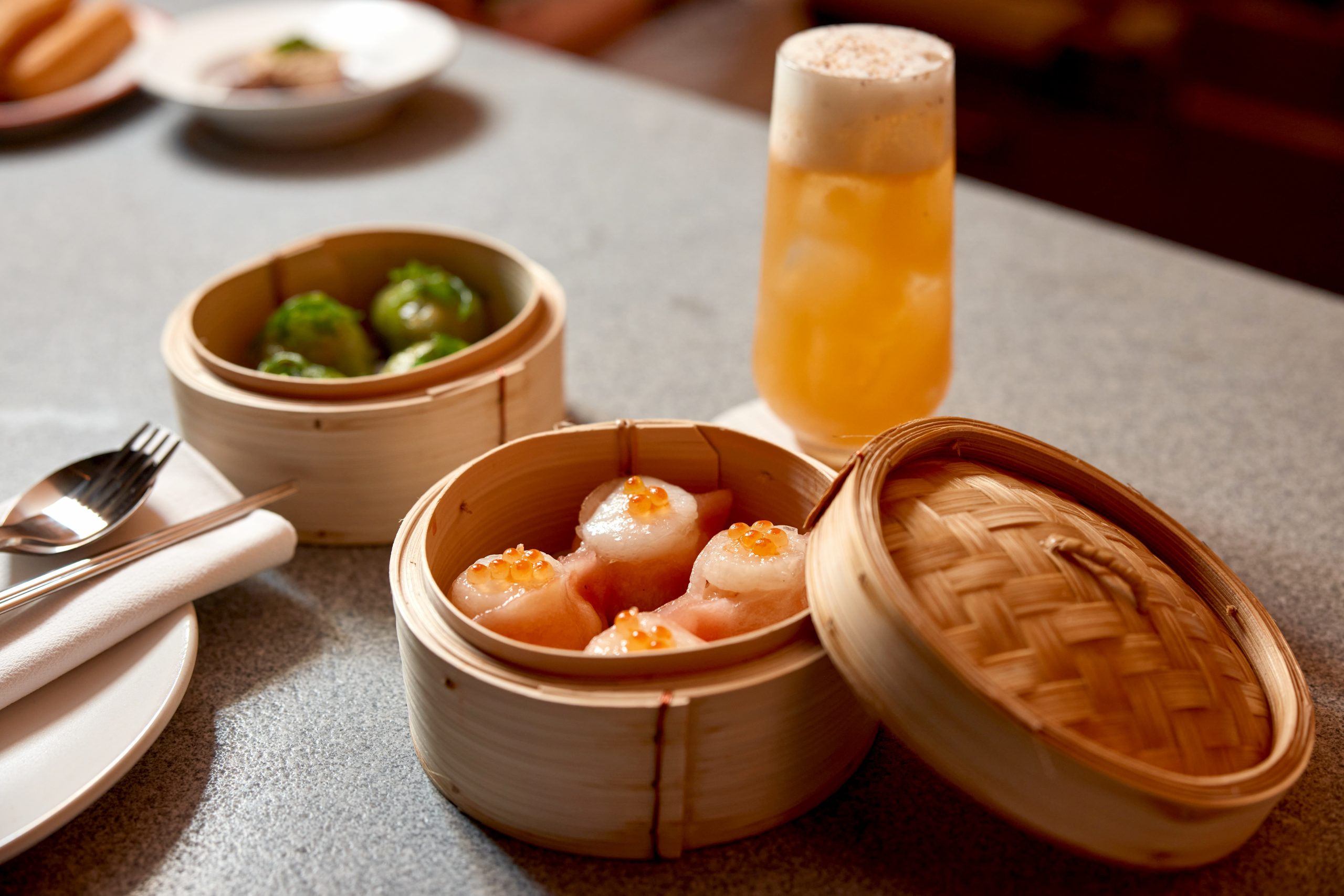
Gerards
A restaurant that has long held its place among Brisbane’s primo venues, and its makeover by J.AR Office has confirmed it is a mainstay in the city. Rich, rammed-earth textures and sleek steel set the stage for the Levantine-inflected fare, where Queensland produce meets Middle Eastern tradition—all served on textured Sally Kerkin tableware that casts the eclectic dishes in an even more visually pleasing light.
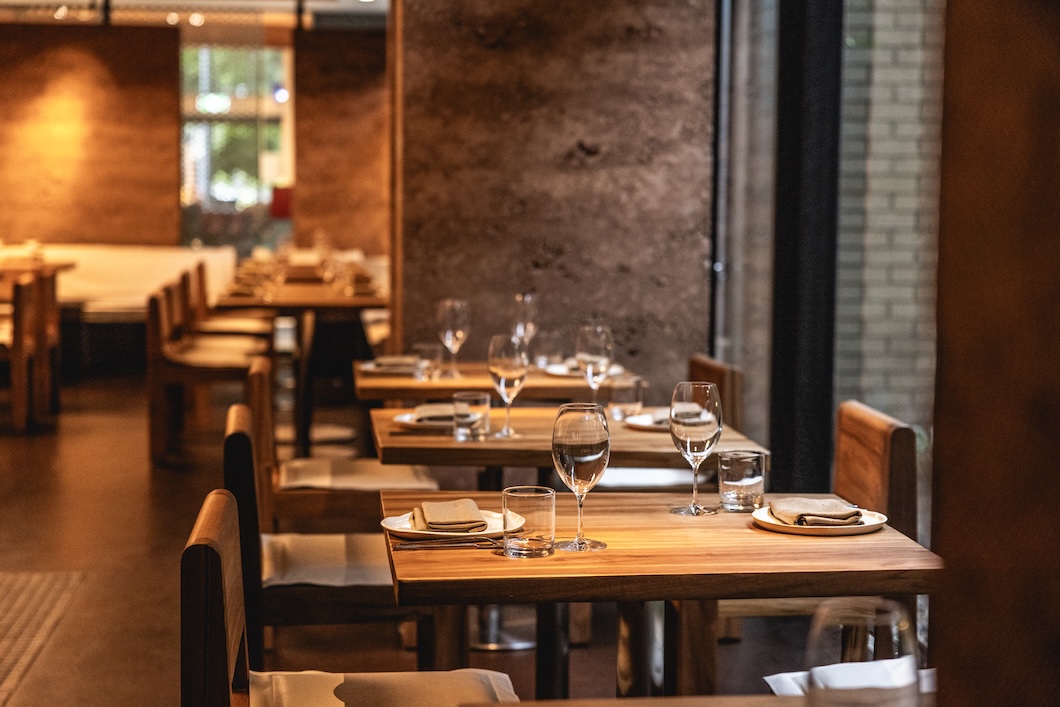
DRINK
+81 Aizome Bar
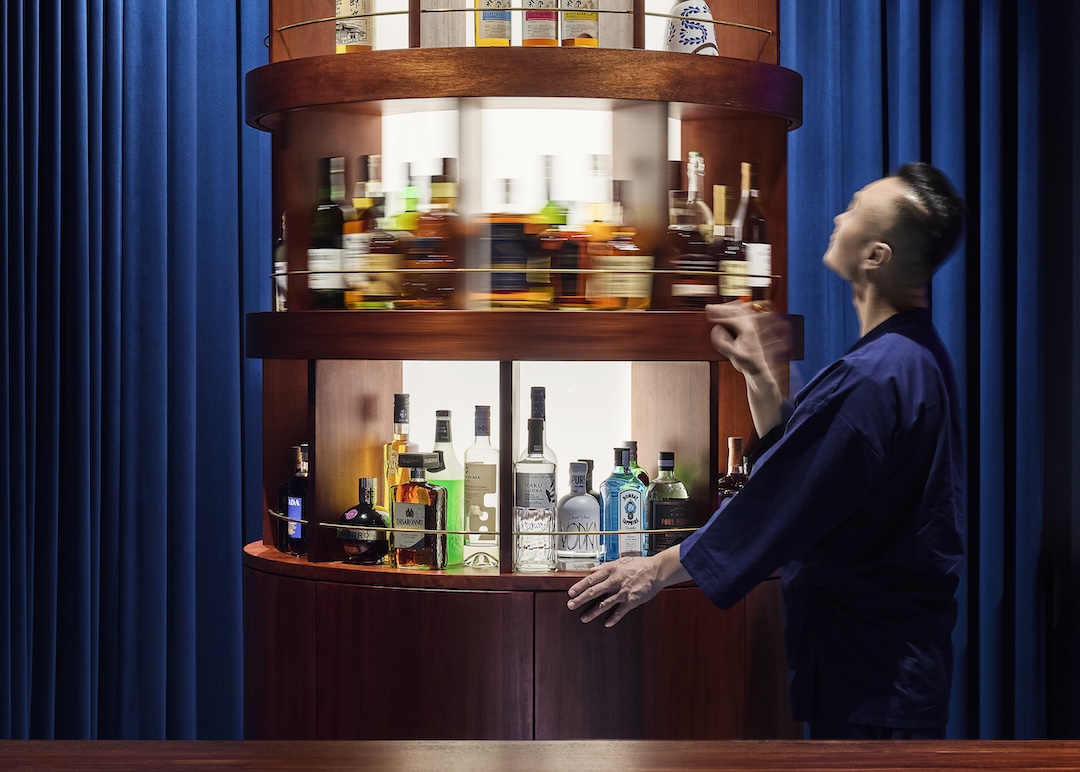
Inspired by the hidden cocktail bars in Tokyo’s Ginza district, an intimate, indigo-hued 10-seater designed by Alexander Lotersztain. The dimly lit space presents drinks served over hand-cut Japanese ice and expertly crafted “neo cocktails” courtesy of mixologist Tony Huang. Champ Creative curated and sourced the artisan-made tableware and glassware from Japan, making sure the experience is as authentic as possible.
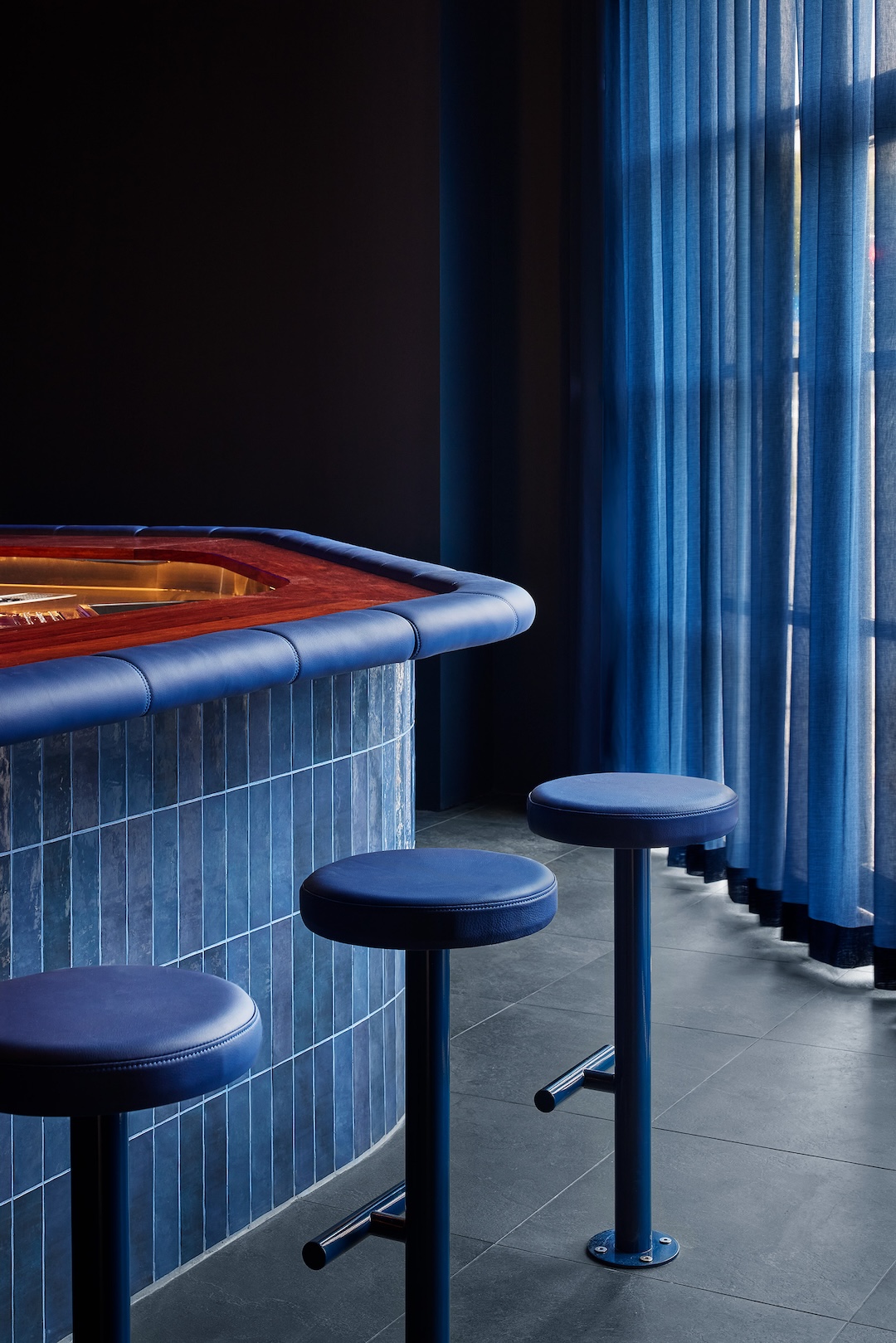
Bar Miette
Overlooking the Brisbane River, Australian chef Andrew McConnell has enlisted executive chef Jason Barratt to direct two of his standout dining ventures—this venue and Supernormal—on the waterfront at 443 Queen Street. Both offer stellar dining—the milk bun with mortadella and smoked maple syrup is simple yet sublime—but this is the spot to visit for a glass of wine accompanied by water vistas.
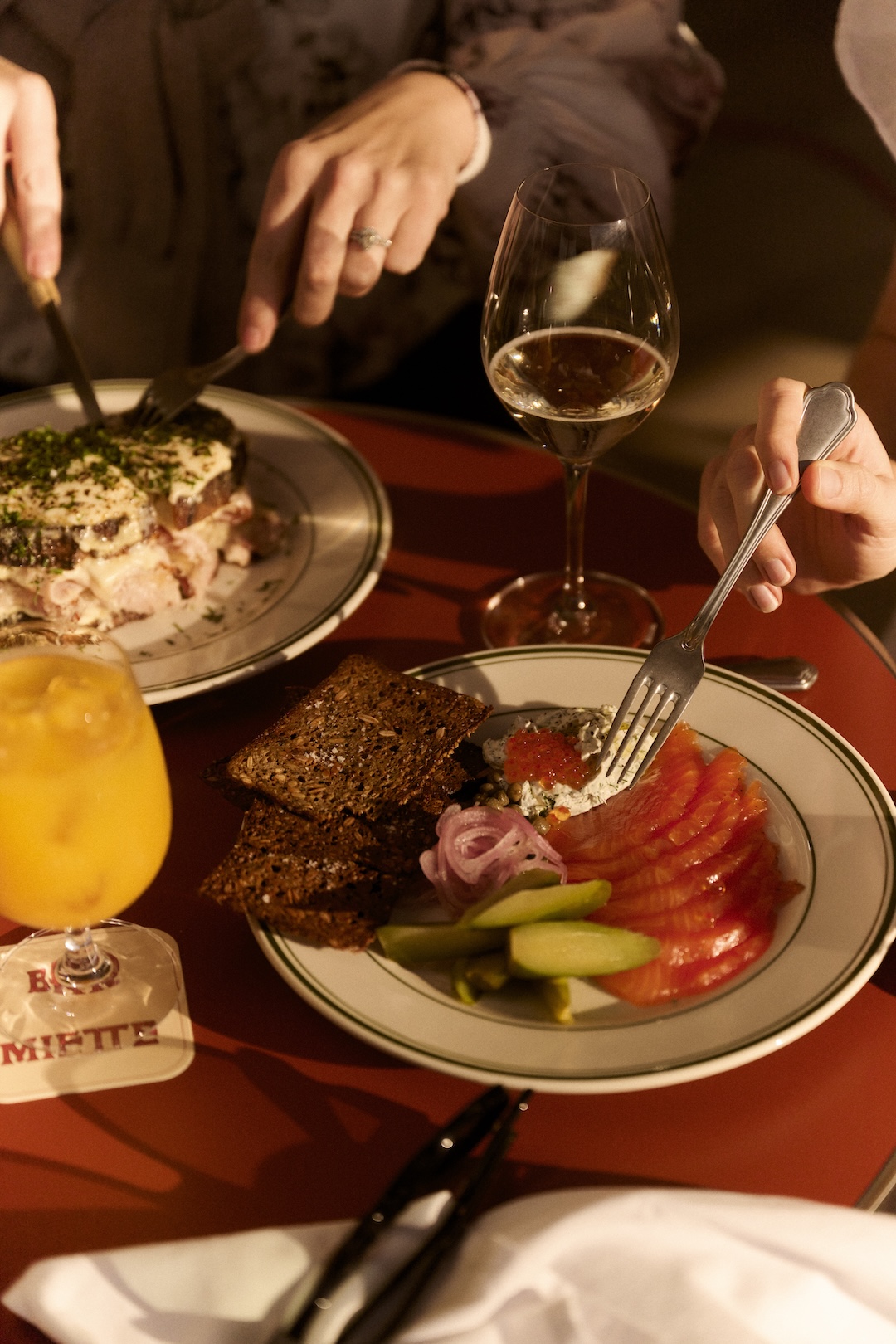
ART & CULTURE
QAGOMA
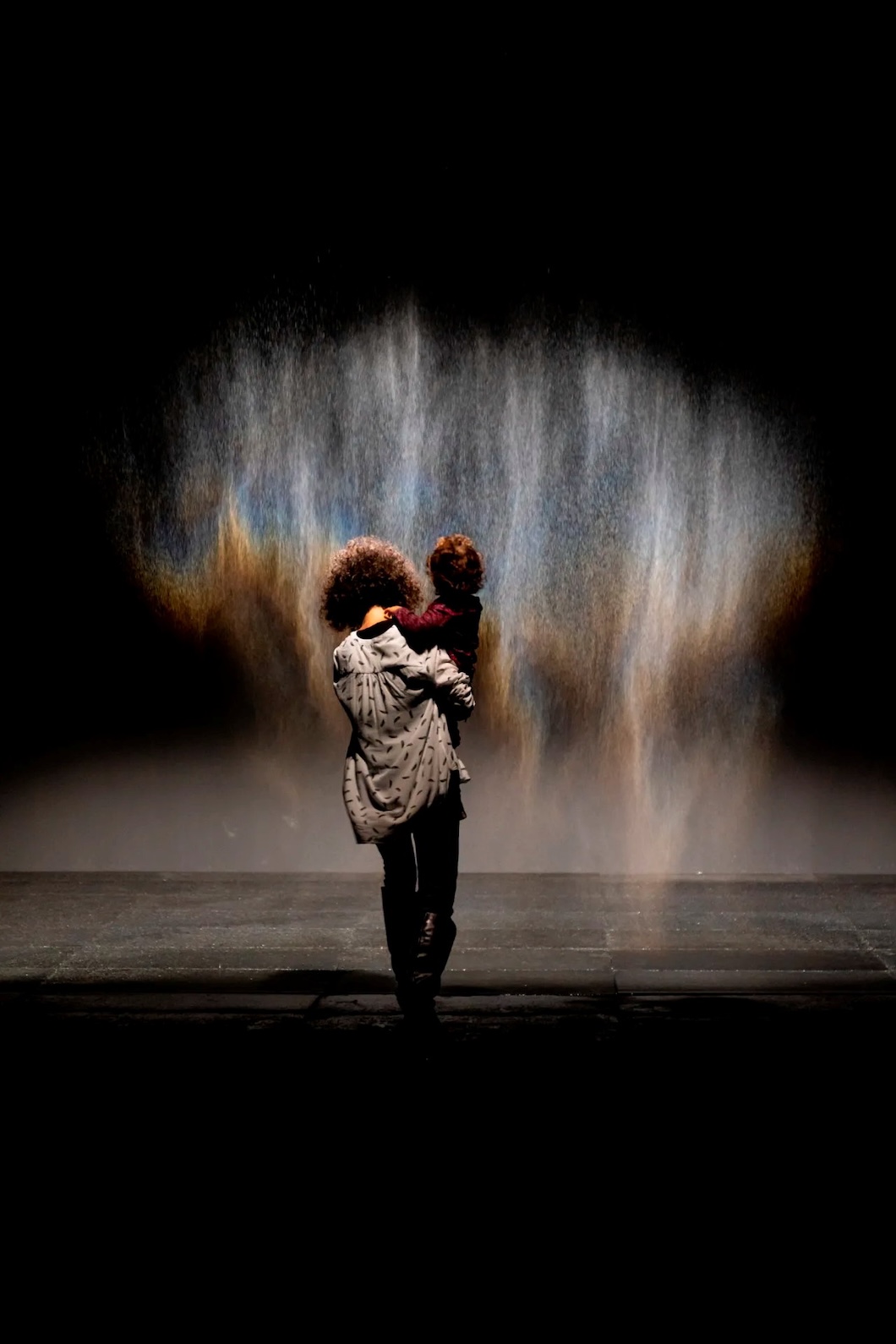
Together, the Queensland Art Gallery (QA) and Gallery of Modern Art (GOMA) form Australia’s largest modern and contemporary art gallery. Roosting on Brisbane’s South Bank, the establishment showcases exemplary art from Australia, Asia and the Pacific, and, as such, has become a firm favourite among both locals and tourists. By day, world-class exhibitions such as Danish artist Olafur Eliasson’s Presence—beginning December 6th—take centre stage; after dark, expect illuminated theatrics as GOMA permanently projects an intense, multi-hued James Turrell artwork onto its facade.
SHOP
BrownHaus
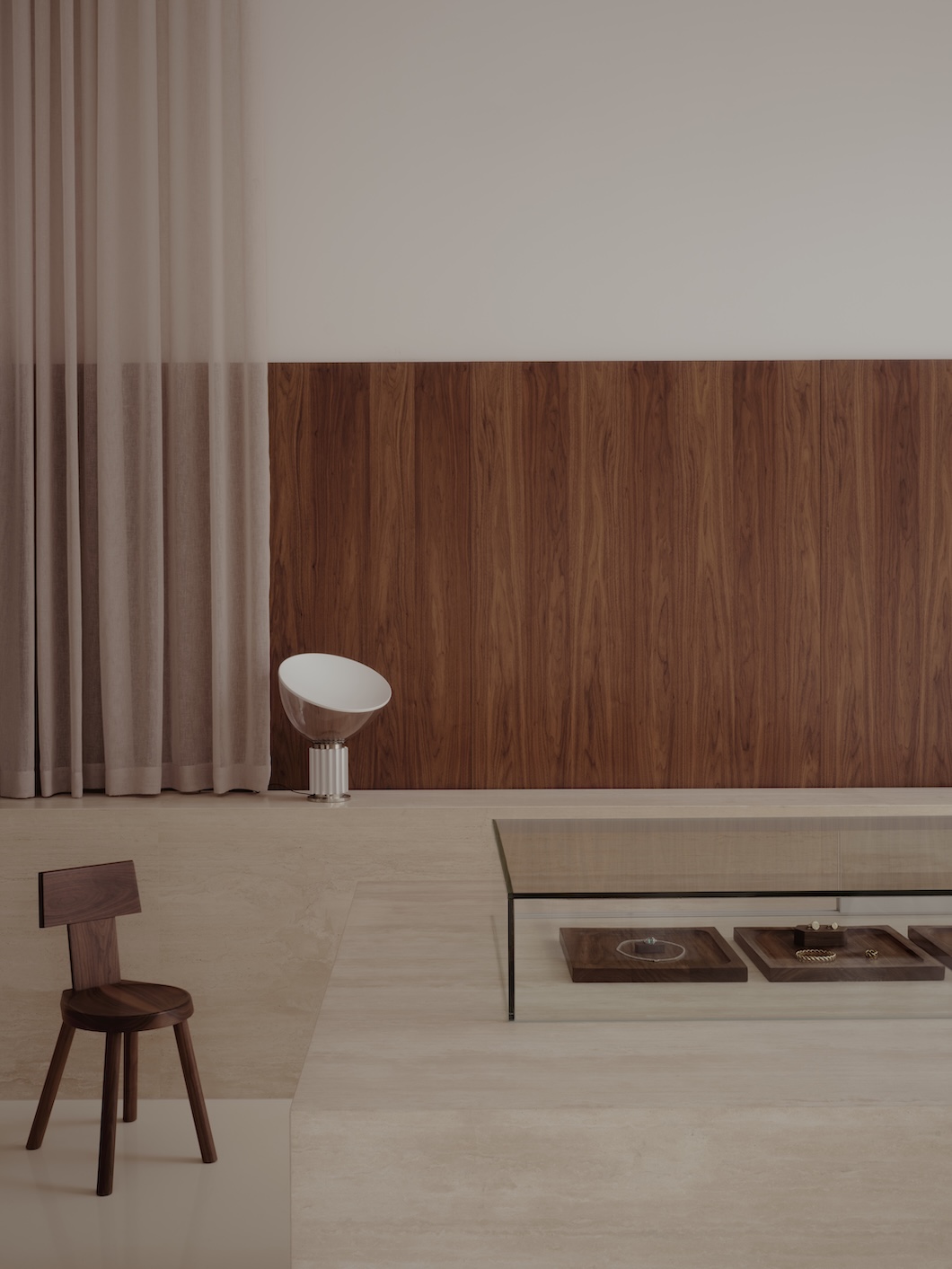
The experience of entering the luxurious, travertine-clad space is as beautiful as the creations the jewellery studio constructs. The culmination of founder Drew Brown’s 25 years of refining his craft, fine jewels and elevated everyday pieces for both men and women captivate your gaze, each example formed with the utmost intention and care. Moreover, Brown is redefining traditional artisanship and service in a new, modern way, ensuring the flagship store is accessible and exciting in equal measure.
James Street Precinct
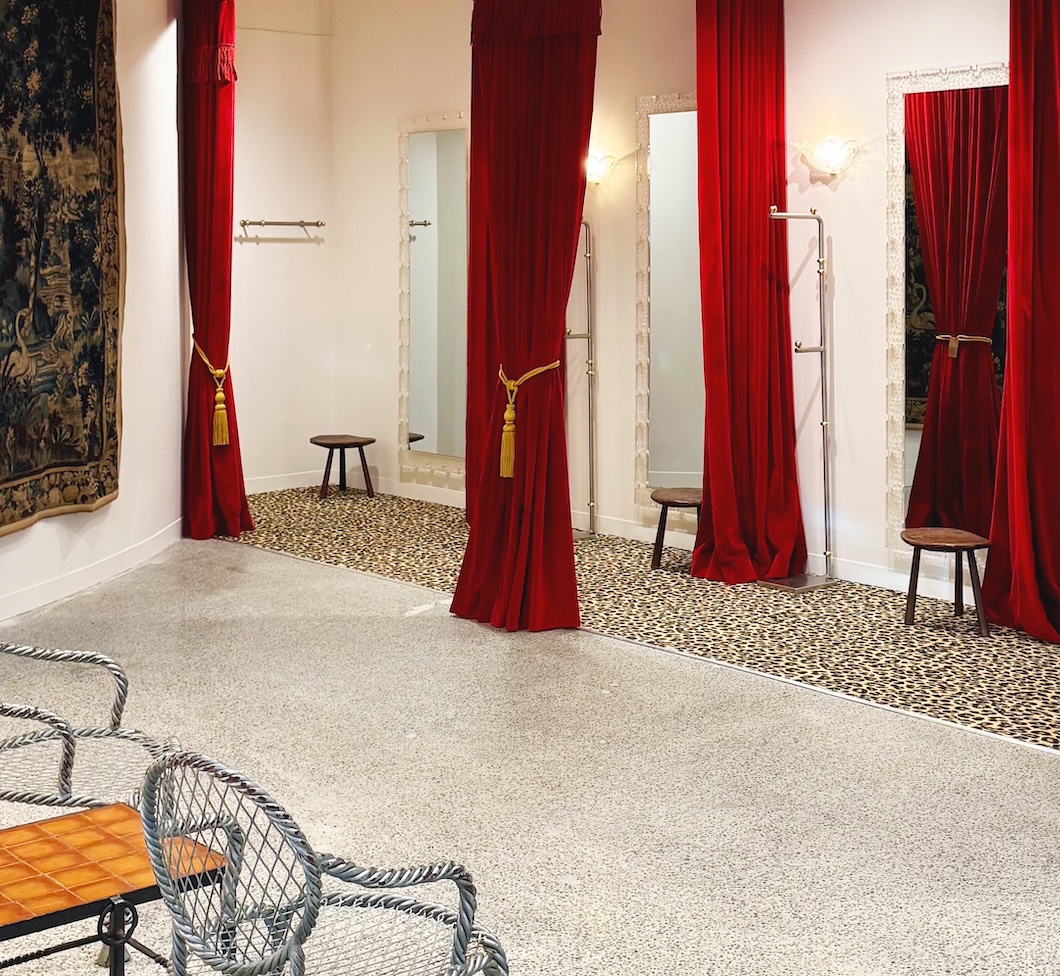
For shopping, dining or even just perfecting the time-honoured art of people-watching, James Street is a one-stop hub where fashion, cinema, design and dining converge in Fortitude Valley. Wandering through the streets, discovering fresh, and established, ventures is a cinch. Restaurants sAme sAme and Biànca (from the team behind Agnes and the new Idle bakery) are hard to pass up; next door, be prepared to queue for a cone at Gelato Messina. A recent arrival to the zone is Heidi Middleton’s Artclub atelier, while Australian tailoring brand P. Johnson recently launched its new store, designed by the renowned Tamsin Johnson, across from The Calile hotel.
WELLNESS
The Bathhouse Albion
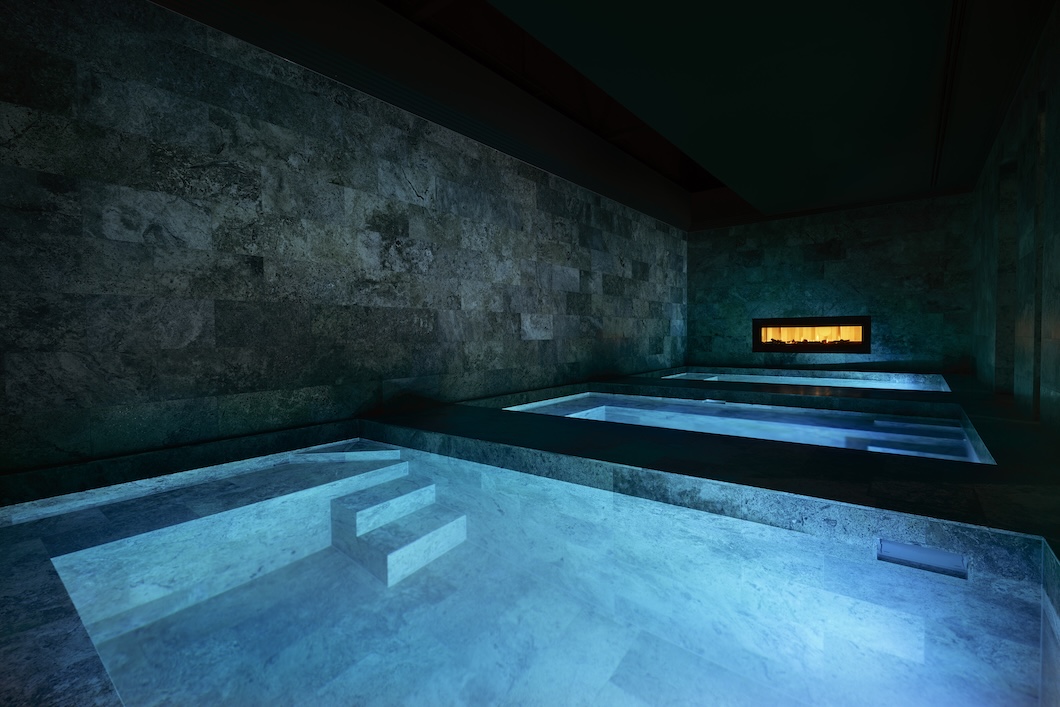
In Brisbane is home to multiple wellness centres in which one can work out or unwind, such as the five-floor, $80 million TotalFusion Platinum Newstead. This facility, designed by architectural practice Hogg & Lamb, presents a more serene, temple-like experience in the once-industrial Albion Fine Trades district, delivering a communal yet luxe bathhouse with spa, cold plunge, sauna, float, and steam room. With a separate area for hydration spruiking organic TeaGood loose-leaf teas, an hour session ensures a restorative reset.
DAY TRIP
Lady Elliot Island
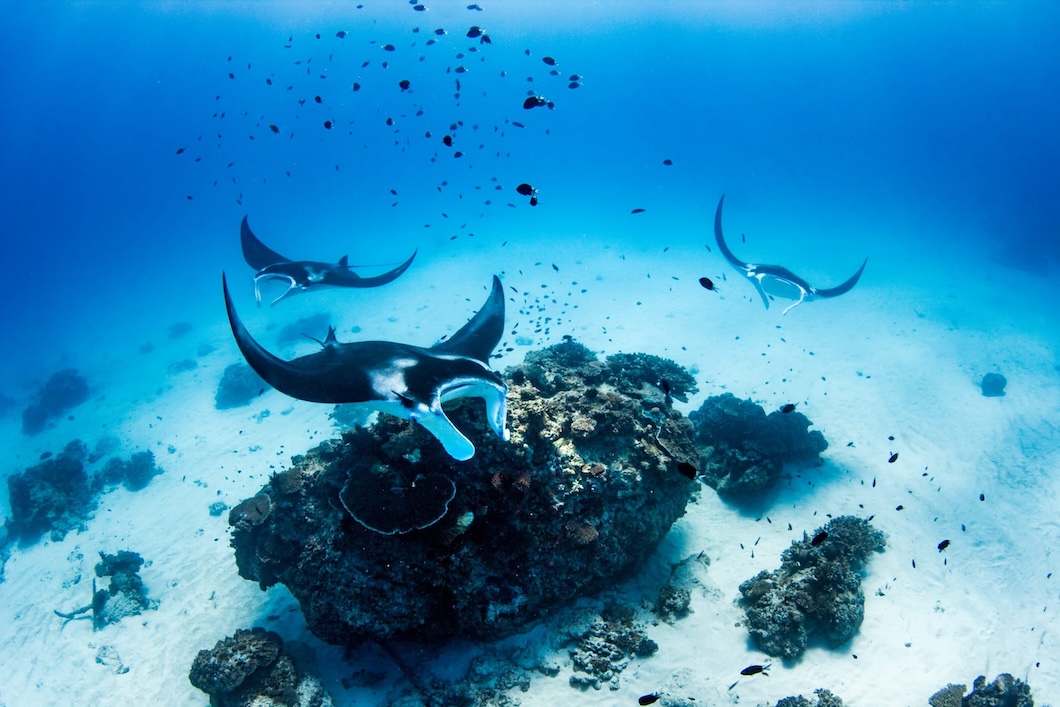
Visiting one of the most pristine sections of the Great Barrier Reef in one day from Brisbane? Yes, it is indeed possible—and in style, too. With an early start from Redcliffe, around 40 minutes’ drive from the city, take a 90-minute flight to the 45-hectare island and then indulge in a glass-bottom boat viewing, an island tour, and a guided snorkel where you will swoon over mesmerising coral and other-worldly marine life. Lunch is included.
You may also like.

By Maeve Galea
17/12/2025
15/12/2025
Tropical Storm
Brisbane’s design-led renaissance is gathering momentum and redefining the city as a destination of distinction.
When it comes to the question of which Australian city can claim to be the country’s epicentre of cool, it’s always been a two-horse race between you-know-who. But challengers to the municipal hegemony do periodically raise their heads above the cultural parapet: Hobart has the world-class MONA in its corner; Perth flexes its white-sand beaches and direct flights to London; plucky Canberra enduringly punches above its weight, wielding a Pollock masterpiece or two at the National Gallery. Now, Brisbane— for decades ironically nicknamed “BrisVegas” as a jibe at its lack of places to see and be seen—is ready to assert itself as a serious contender to break the Sydney-Melbourne monopoly.
The Queensland capital is booming, buzzing and bougier than ever. In the past twelve months alone, Brisbane has seen the addition of $80 million ultra-luxe members’ wellness club TotalFusion Platinum, and earned a place on Condé Nast Traveller’s Hot List for hosting the second outpost of Andrew McConnell’s renowned restaurant Supernormal—both designed by Sydney-based multidisciplinary studio ACME. Since the latter’s opening, the upscale dining scene in the CBD—once steeped in starched white-tablecloth tradition—has come into its own with high-concept, slick and scene-y establishments you’ve likely already seen on Instagram.
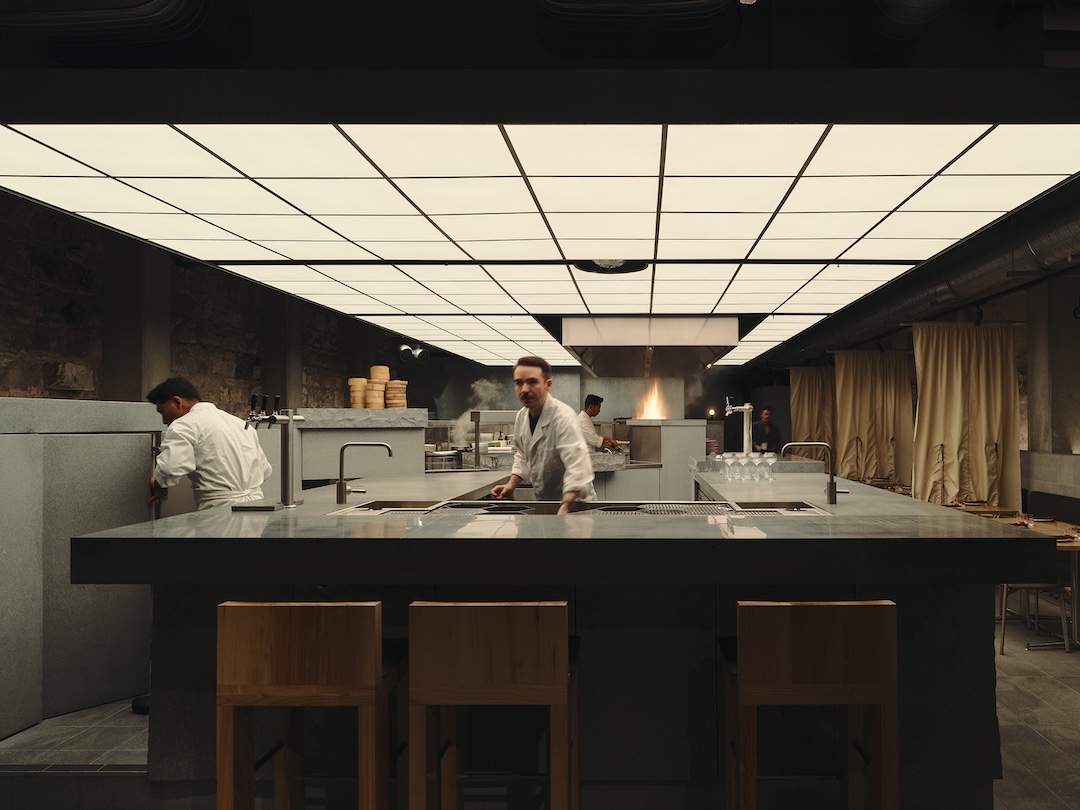
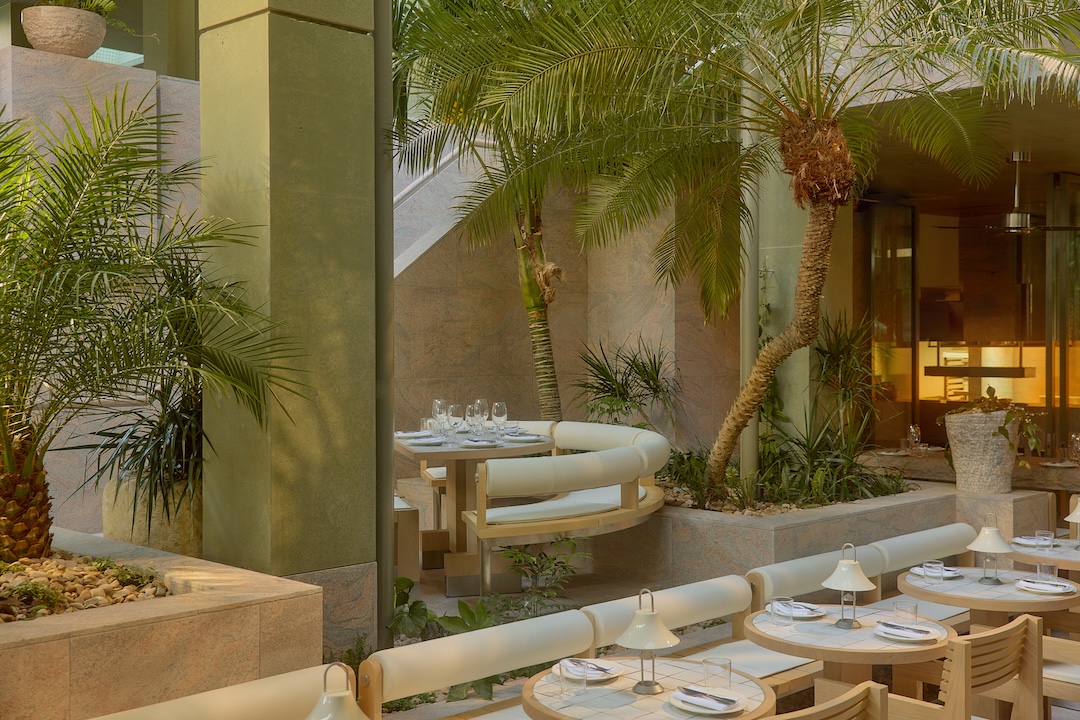
Among them is Central, named Australia’s best-designed space at this year’s Interior Design Awards. The subterranean late-night dumpling-bar-meets-disco, designed by one-to-watch local firm J.AR Office, is bathed in bright white light and features a DJ booth built into the open, epicentral kitchen. A 10-minute walk along the river towards the Botanic Gardens reveals Golden Avenue, a buzzy collaboration between J.AR Office and Anyday, the Brisbane hospitality group behind some of the city’s most beloved restaurants of the last decade (Biànca, hôntô, sAme sAme, and Agnes). A skylit oasis where palm fronds cast slivers of shade over tiled tables laden with bowls of baba ganoush and clay pots of blistered prawns, the Middle Eastern-inspired eatery feels like Queensland’s answer to Morocco’s walled courtyard gardens.
That design-forward premises anchor much of the buzz around Brisbane’s new pulse points should come as no surprise. After all, this is an urban centre whose perception and personality were transformed in the 2010s by the brutalist breeze-block facades of the then-burgeoning James Street Precinct. Financed by local developers the Malouf family, and designed by Brisbane’s architecture power couple Adrian Spence and Ingrid Richards, the zone has become a desirable, nationally recognised address for flashy flagships and big-name boutiques (just ask Artclub’s Heidi Middleton and The New Trend’s Vanessa Spencer, who each unveiled plush piled-carpet stores along the strip in October).
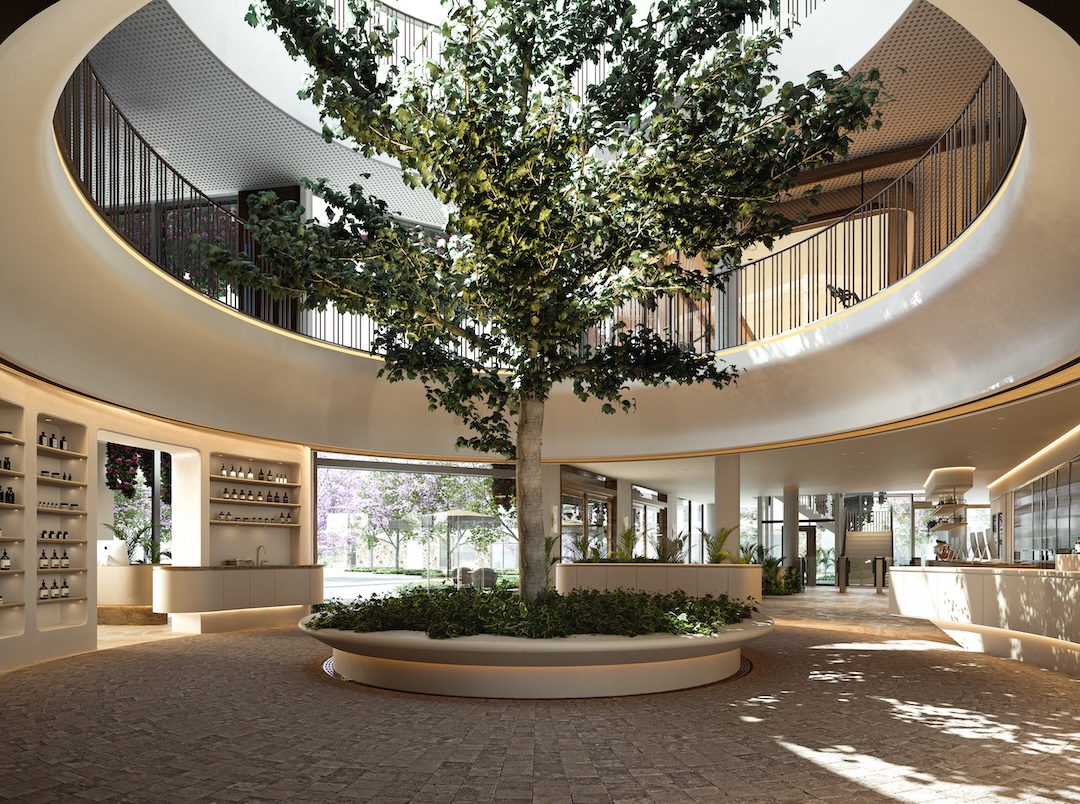
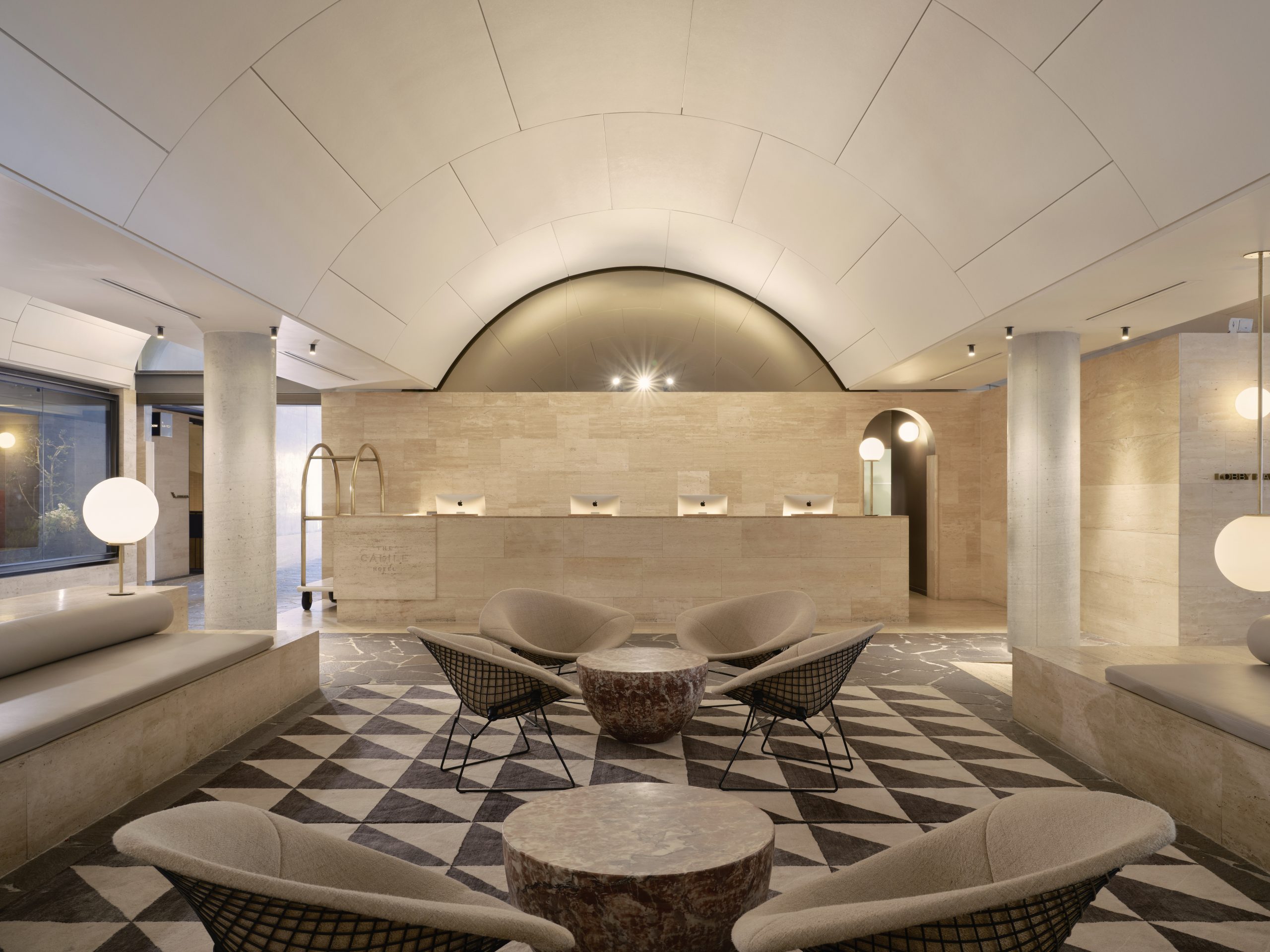
But it wasn’t until the 2018 opening of The Calile Hotel that Brisbane truly shed its “big country town” image, staking its claim on the international stage. The Palm Springs-inflected urban resort—which, by now, surely needs no introduction—landed 12th in 2023’s inaugural World’s 50 Best Hotels ranking, ahead of Claridge’s and Raffles.
“That was really quite massive for the optics of what Brisbane has to offer the rest of Australia,” says Ty Simon, a born-and-bred Brisbanite and one of the four visionaries behind the Anyday group, along with his details-driven Milanese wife Bianca, executive chef Ben Williamson, and financial backer Frank Li. From that point on, the use of elite architects and designers became de rigueur across the enclave, weaving a sense of permanence into the local fabric. “We believe in what’s happening here,” says Marie-Louise Theile, creative director of the James Street Initiative and PR executive behind many of the city’s primo spots. “And we’re digging in.”
For in-demand Australian interior designer Tamsin Johnson, the mastermind behind some of James Street’s most carefully curated properties—including her husband Patrick Johnson’s P. Johnson Femme showroom, which opened in September—this momentum is “a wonderful thing”. Idle, Johnson’s August-launched first project with Anyday, is a prime example of what she calls a “contemporary sleekness” that feels intrinsic to the new mood taking hold in Brisbane. A modern-day answer to Milan’s 140-year-old gourmet emporium Peck, the site is a study in how mixed materials—glass, concrete, stainless steel and terrazzo—can create a sense of freshness with a 20th-century overtone.
It’s this dialogue between old and new, so intrinsic to Johnson’s work, that makes Brisbane such a compelling canvas for the Melbourne-born, Sydney-based creative. “I think Brisbane is striving hard for its own identity and voice in Australia, and it is clearly working,” she says. For Johnson, that evolution is also “a process of recognising what you have”, a nod to the strong bones the city has to work with and revisit. From the airy stilted Queenslanders to GOMA’s riverside glass pavilion and the subtropical modernism of Donovan Hill’s landmark C House, Brisbane’s design heritage is a quiet yet potent force, infused with what Johnson calls “the subtle memory of bucolic Australia”. Brisbane’s best contemporary architecture reflects what Richards and Spence described when designing The Calile as “a gentle brutalism”. It incorporates the style’s characteristic heaviness—concrete, rigid geometry and cavernous interiors—but, in response to the climate, does away with barriers between outside and in, and welcomes light, air and a feeling of weightlessness that creates spaces that feel open, relaxed and intimately connected to their surroundings.
Johnson will explore this language further in Anyday’s most ambitious venture yet: a four-level dining destination within the colonial-era Coal Board Building, just across from Golden Avenue. Its debut concept The French Exit—a wood-panelled brasserie with half-height curtains and a 2.00 am licence—is set to be unveiled by year’s end, ensuring the once-sleepy heart will beat well into the early hours.
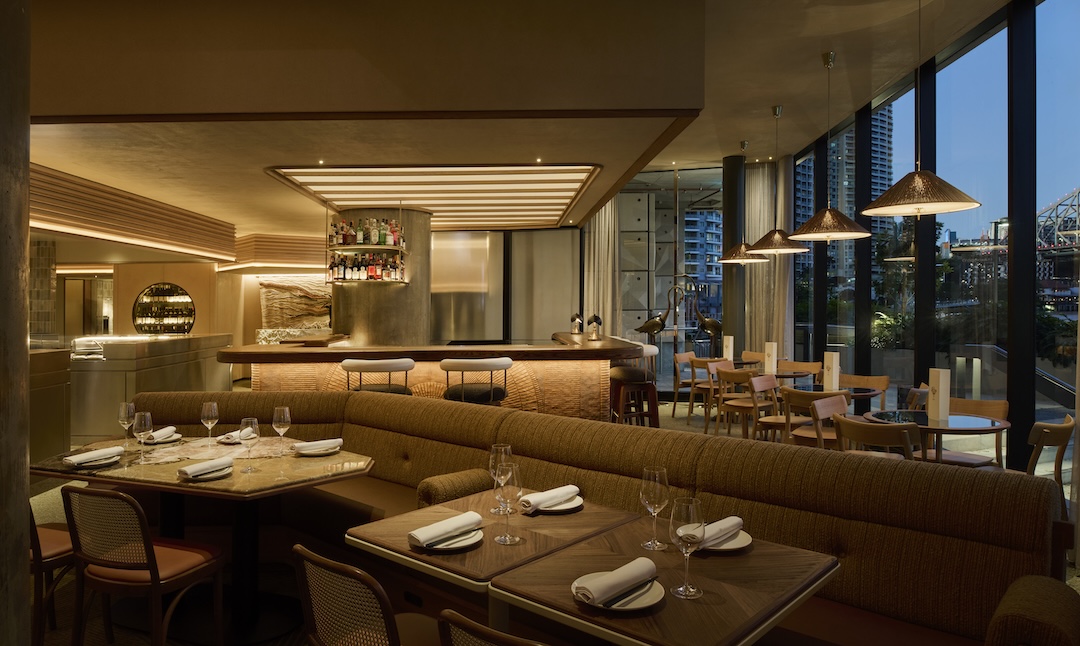
Luring big names to lend the city their cool factor for one-off projects is one thing, but perhaps the most profound sign that Brisbane still bursts with promise is the fact that so many creative forces are choosing to stay, rather than take their talent elsewhere. “I never thought I’d still be in Brisbane,” laughs J.AR Office director Jared Webb, a local-for-life who started the firm in Fortitude Valley in 2022 after a decade spent working under Richards and Spence. “Trying to entice people to stay and see Brisbane as a city to live in, and to visit, is a big undertone of all our work on a much broader scale,” says Webb, whose designs rely heavily on steel, concrete and stone, both as a means to temper the tropical climate and evoke an aura of continuity he believes Brisbane’s built environment has lacked. (Once dubbed the demolition capital of Australia, the municipality lost more than 60 historic buildings during the ’70s and ’80s under former Queensland premier Joh Bjelke-Petersen, whose two-decade rule was recently revisited in a dramatised documentary available to stream on Stan).
Translating Brisbane’s current buzz into something lasting seems to weigh on the minds of many of the city’s creatives. Vince Alafaci, who forms one half of ACME with his partner Caroline Choker, shares this sentiment when reflecting on their design for Supernormal. “It’s about creating spaces that evolve with time, not ones that date,” he says. “We wanted every element to feel timeless—grounded, honest and enduring.” That pursuit of longevity is something Tamsin Johnson recognises, too: “It’s the people pushing for it that excite me the most. They’re committed,” she says, reflecting on the city’s creative ambition. “I think our designers, the most committed ones, want to leave landmarks and character, bucking against the trend of mundane, short-term and artless developments that all our capitals have experienced. And perhaps Brisbane is leading this mentality.”
You may also like.
17/12/2025
Holiday Gift Guide
The supreme Christmas wish-list awaits—maximum impact guaranteed.
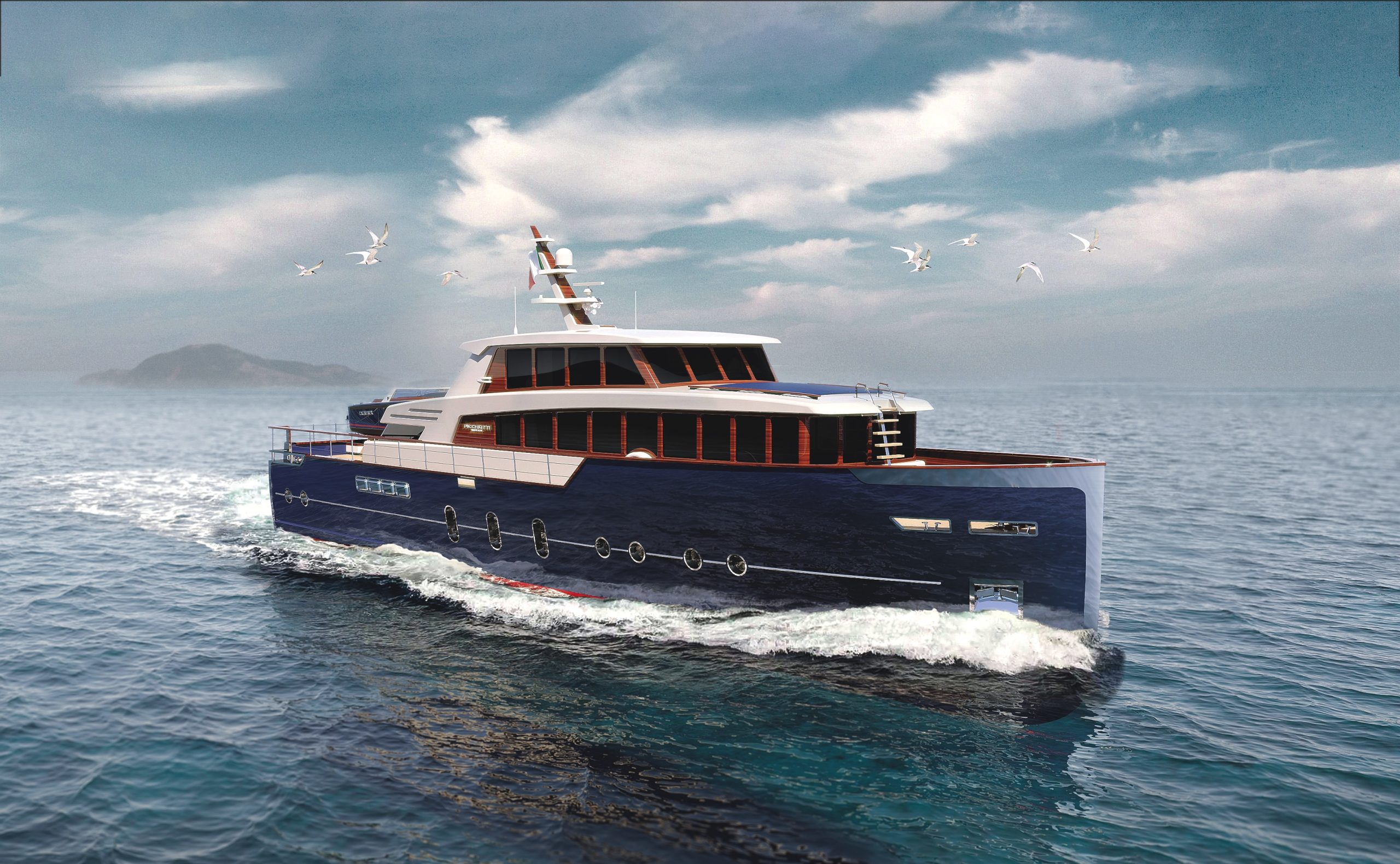
Consider this your definitive shortcut to Christmas morning triumph. From museum-grade jewellery to objects of quiet obsession, this is a wish-list calibrated for maximum impact and minimal guesswork. Each piece in this round-up earns its place not through novelty, but through craft, heritage and that elusive quality collectors recognise instantly: desire with staying power. There are icons reimagined (Piaget’s Andy Warhol watch, a masterclass in pop-era permanence), feats of mechanical bravado (Jacob & Co.’s globe-trotting tourbillon), and indulgences that turn ritual into theatre—whether that’s a Hibiki 21 poured just so, or a Rolls-Royce picnic staged like a state occasion. Fashion, design, fragrance and fine drinking are all represented, but united by a single premise: these are gifts that signal intention. The kind that linger on the mantelpiece, wrist or memory long after the wrapping paper is cleared. The stocking at robbreport.com.au, as ever, is generously—and ingeniously—stuffed.
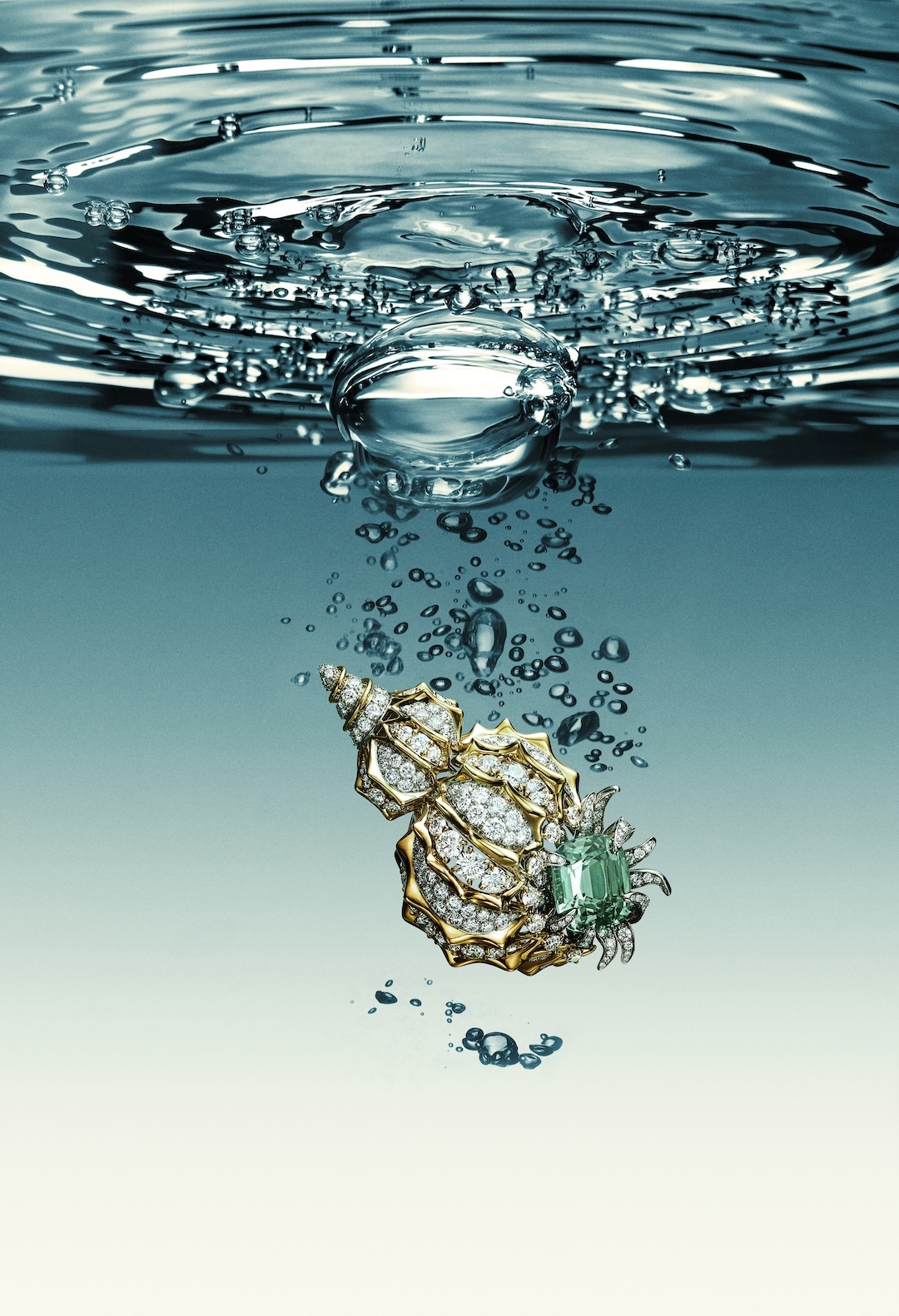
[main image, top] Tiffany & Co. Blue Book Collection Shell Green Tourmaline Brooch, POA; tiffany.com
Top Tip
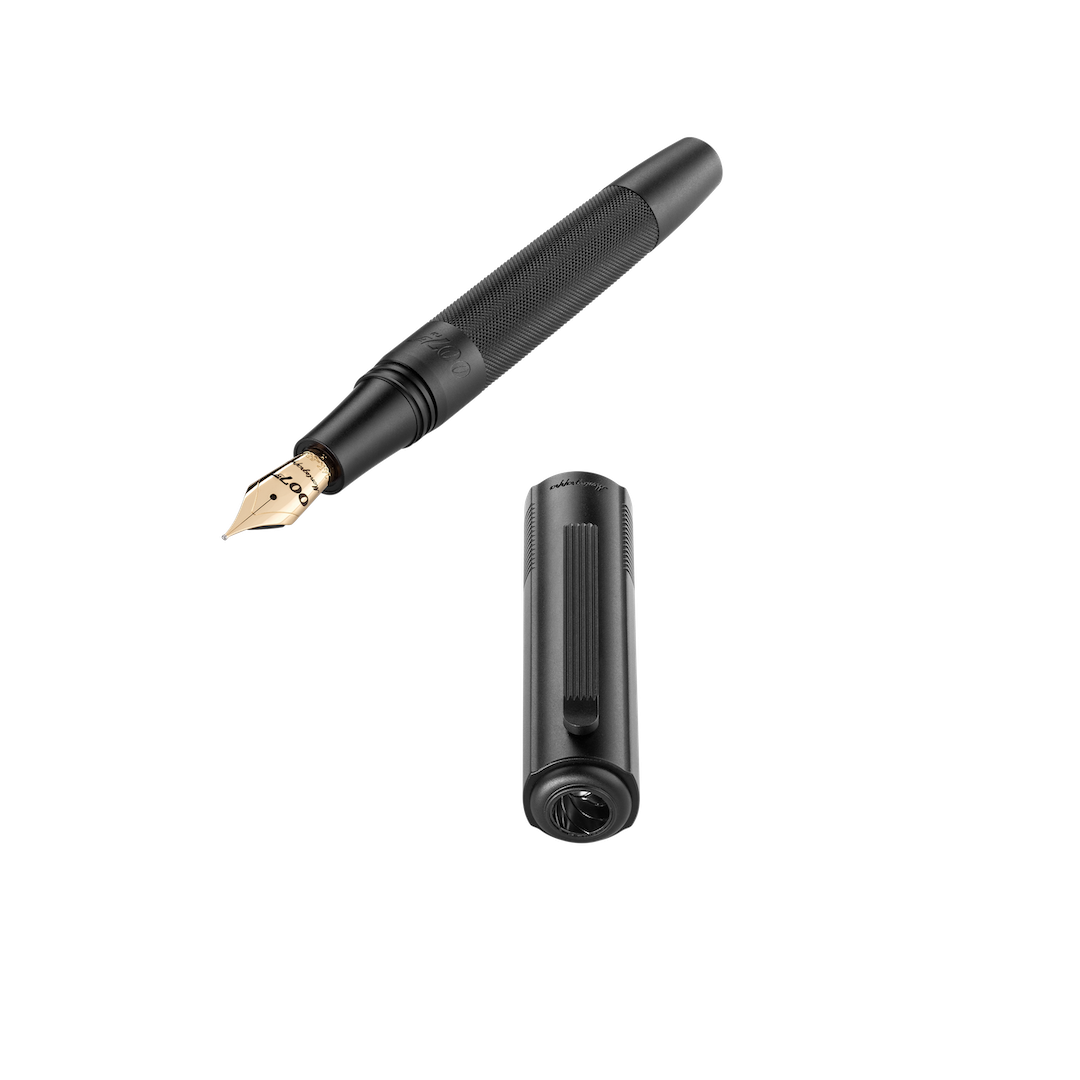
Montegrappa limited edition 007 Special Issue fountain pen, $2,850, at The Independent Collective; theindependentcollective.com
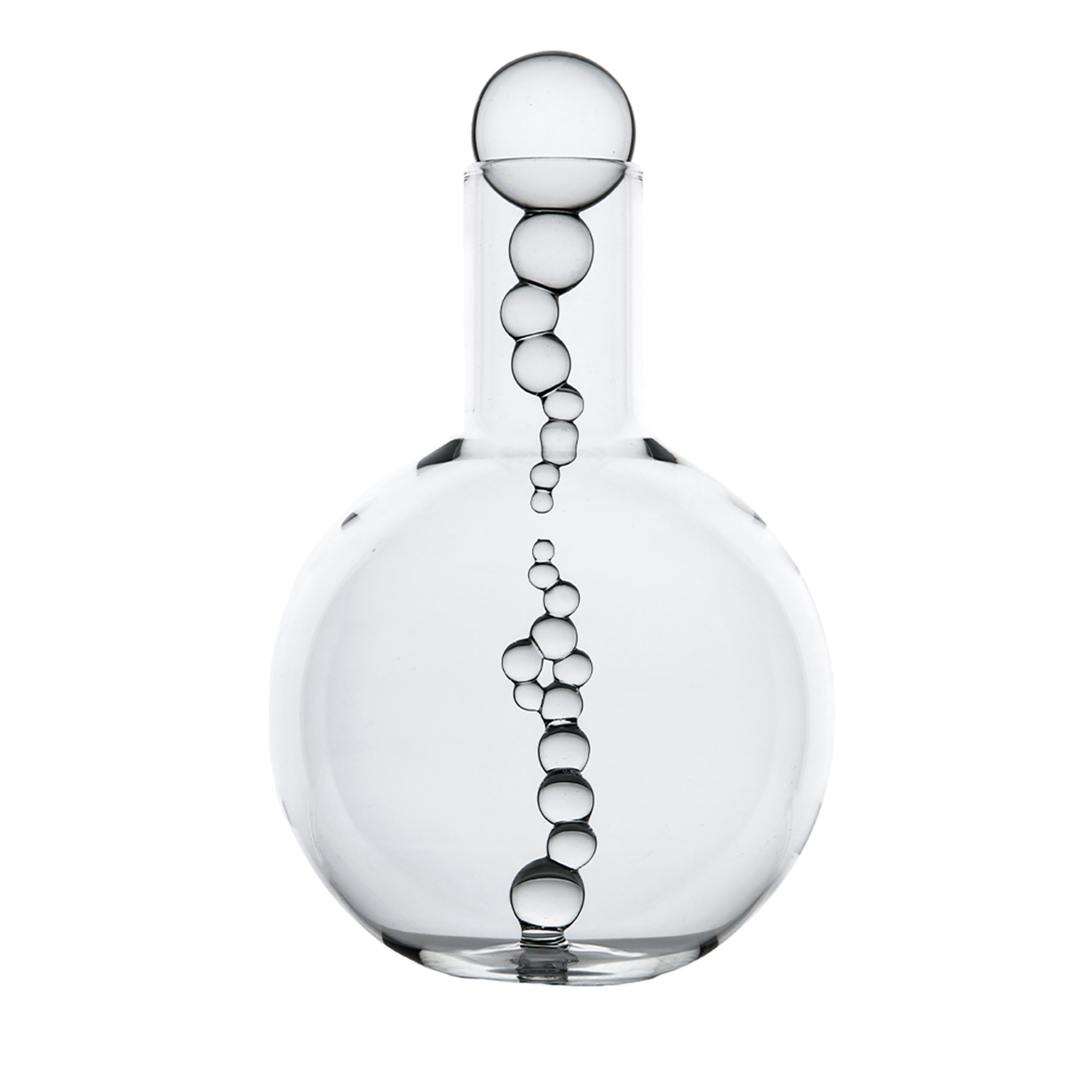
Clear Winner
Alchemica ‘Transparent’ glass decanter, $1,000; artemest.com
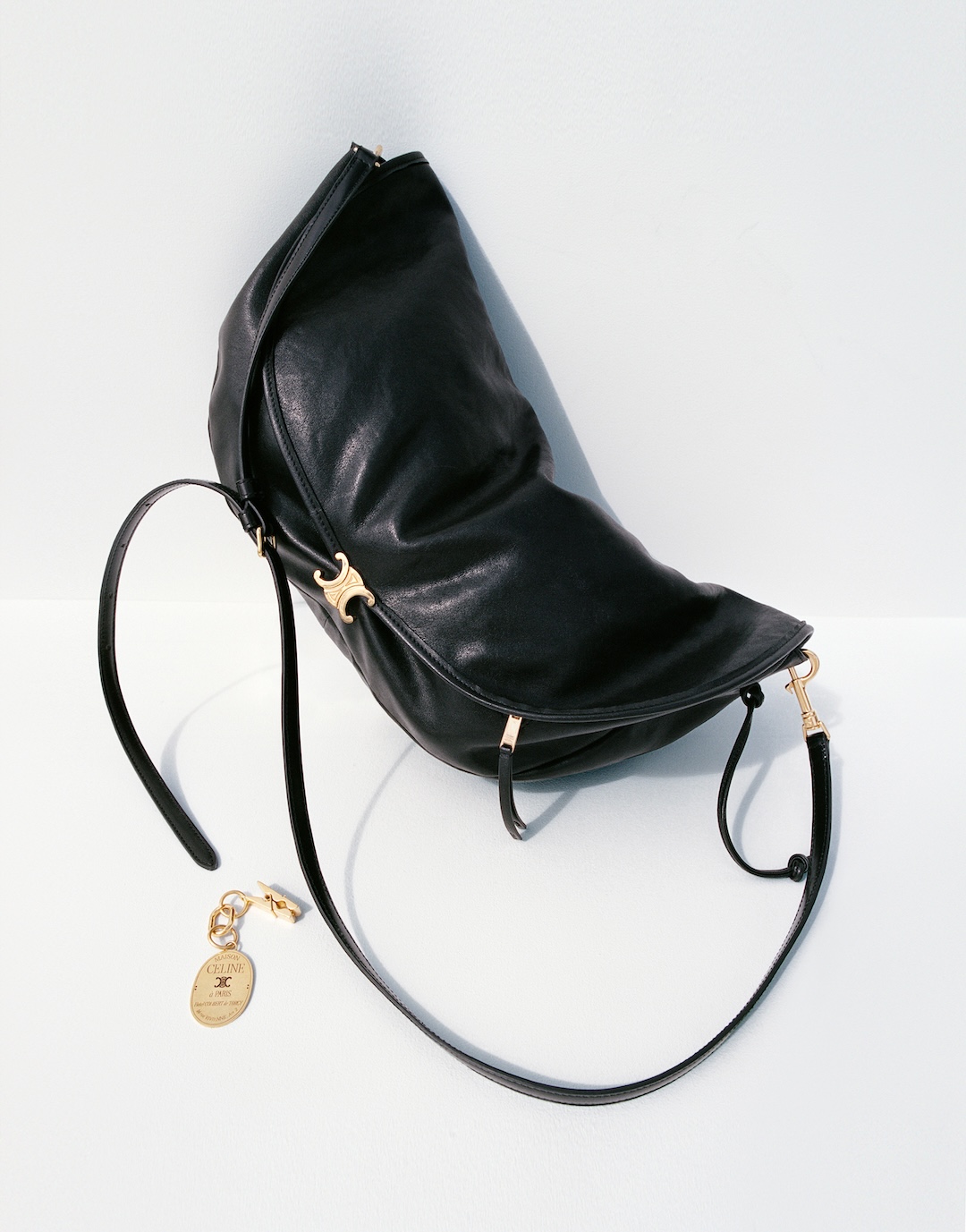
Holding Court
Celine Halfmoon Soft Triomphe lambskin bag, $5,500; celine.com
Beauty and the Feast
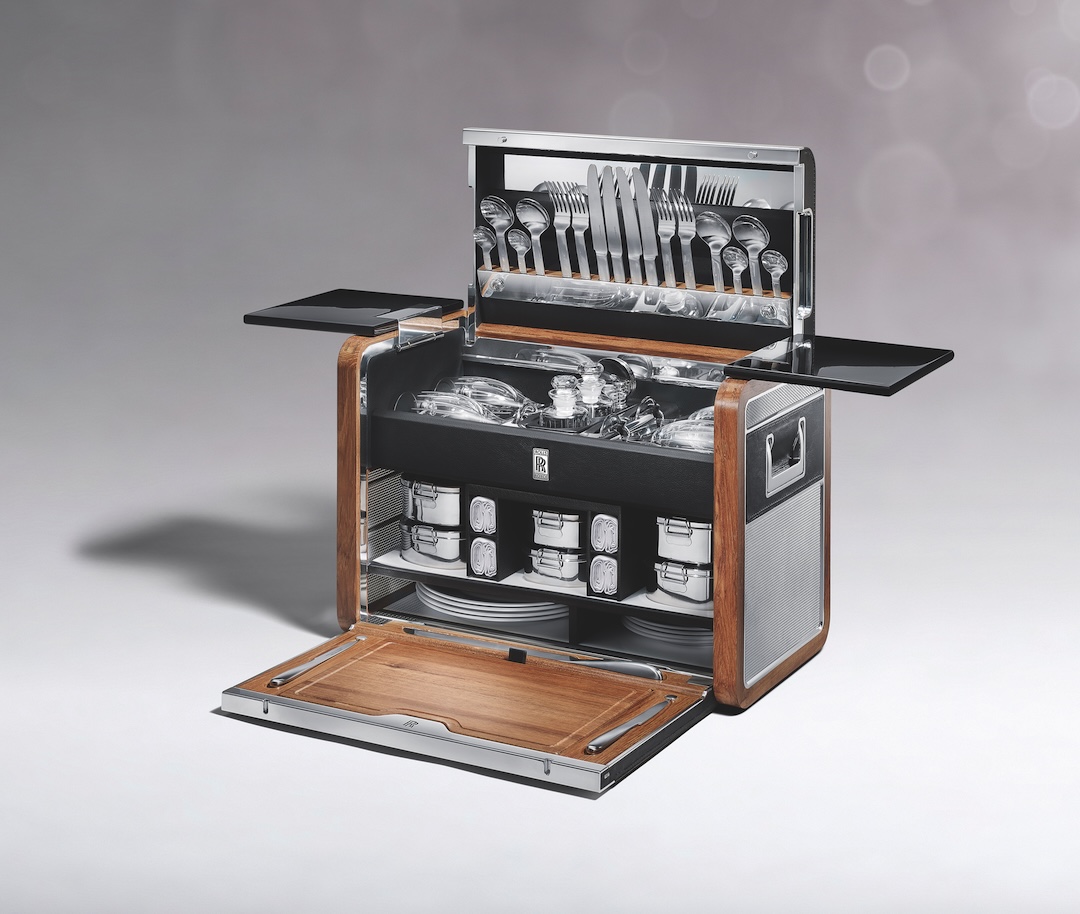
Rolls-Royce picnic hamper, $59,676; rolls-roycemotorcars.com
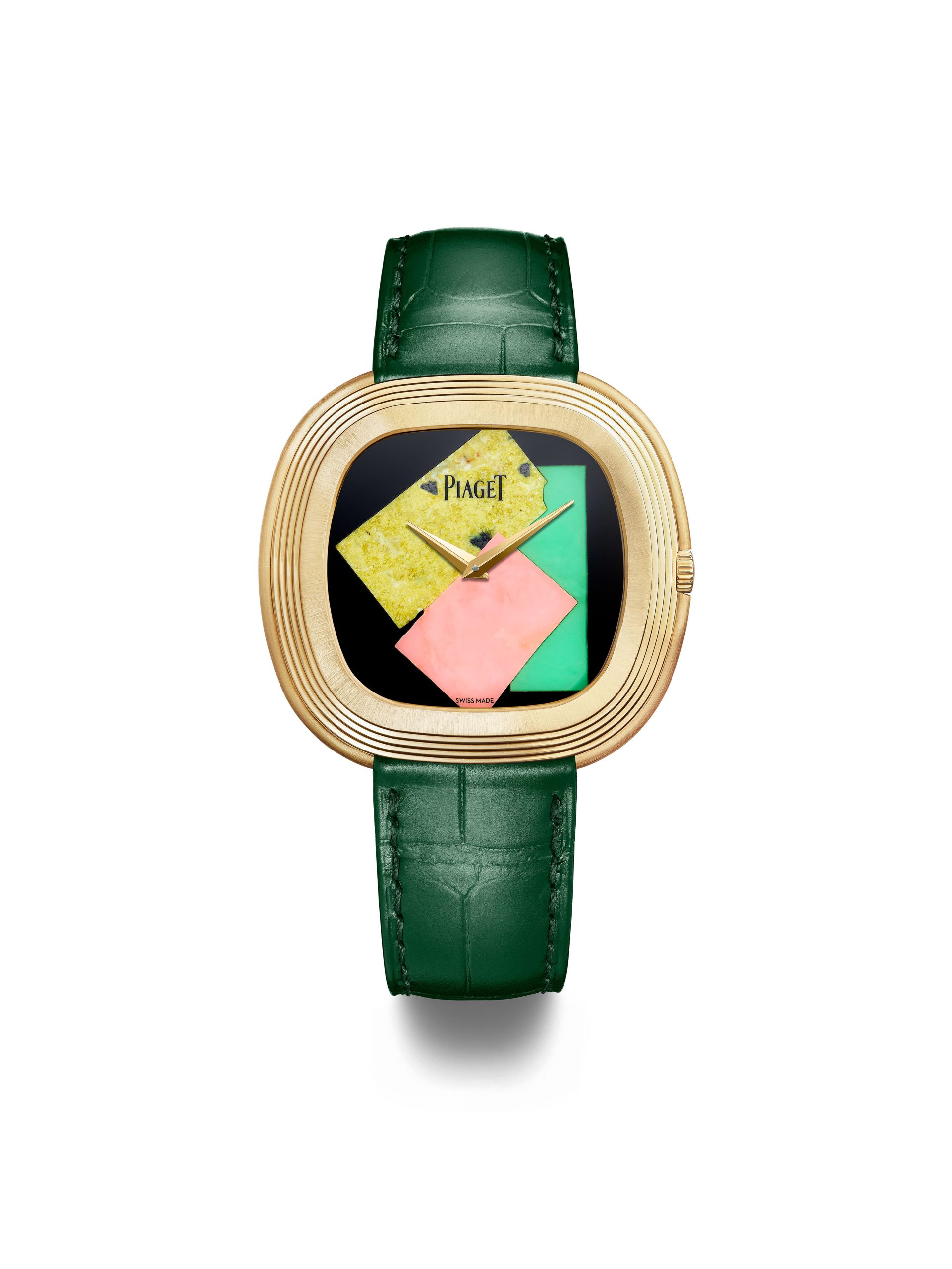
Minutes of Fame
Piaget limited-edition Andy Warhol Watch Collage with 18-carat yellow gold caseback, $128,000; piaget.com
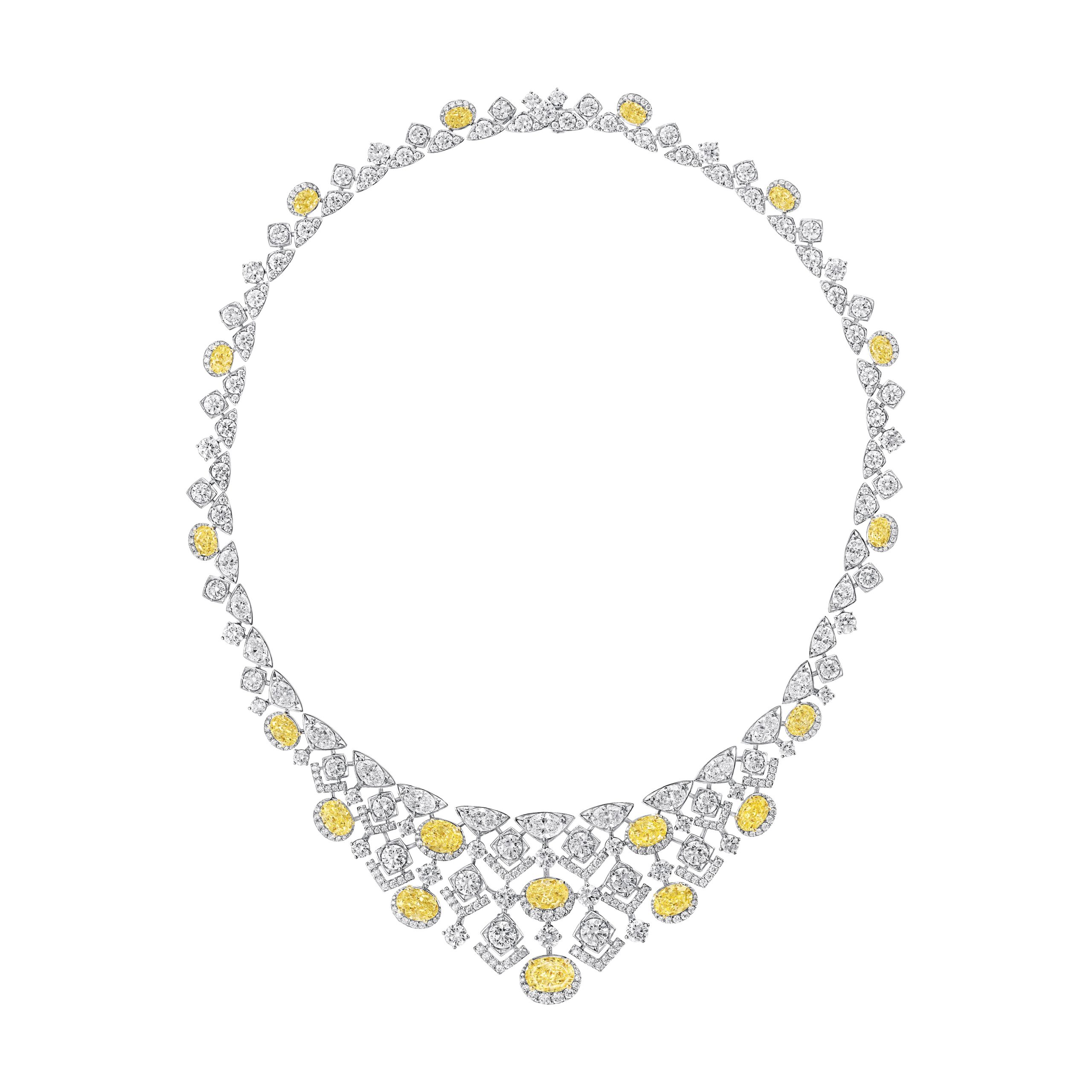
Fancy That
Graff High Jewellery fancy intense yellow oval, white oval and round diamond necklace, POA; kennedy.com.au
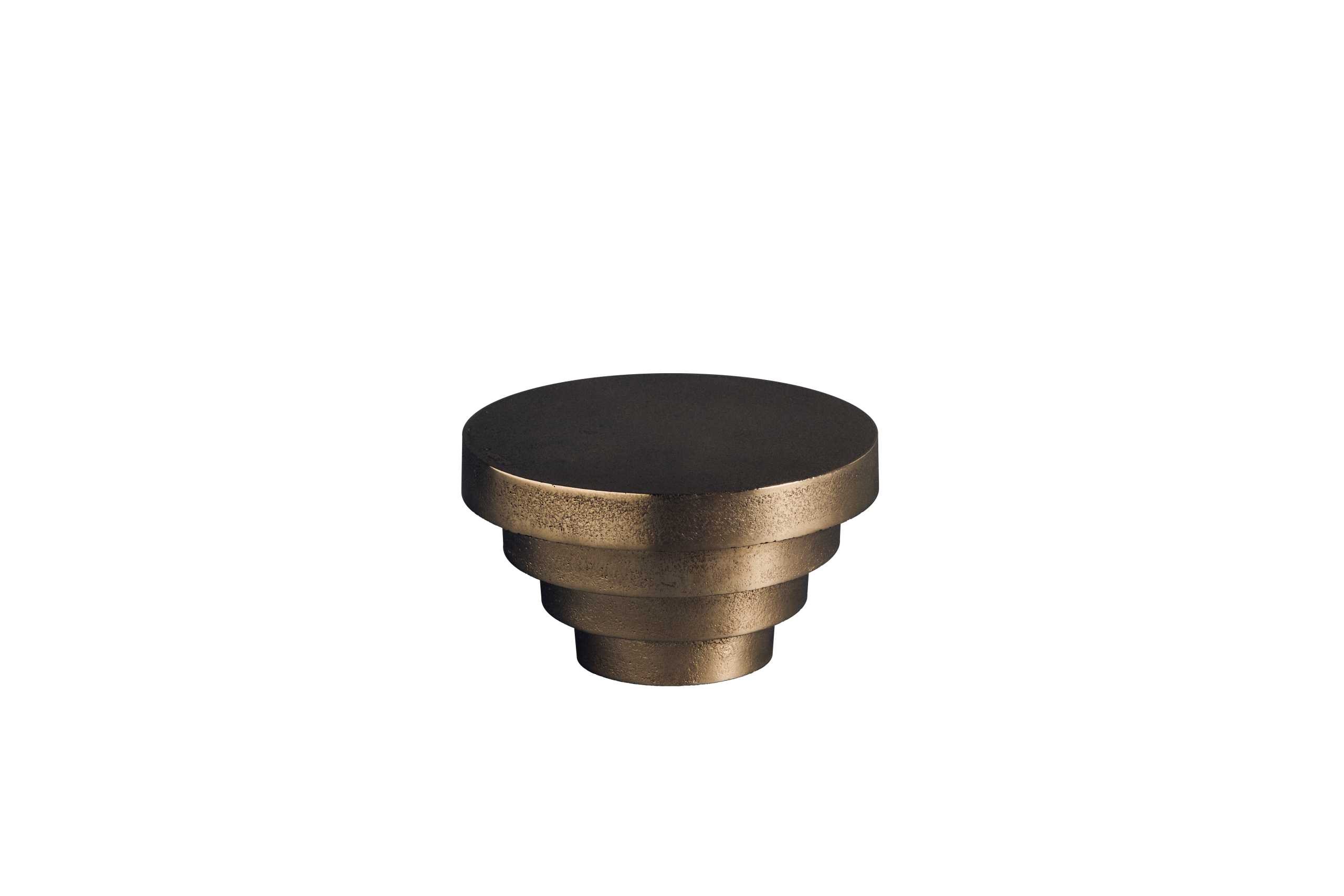
Momentos in Time
Christopher Boots Thalamos Keepsake trinket box, $859; christopherboots.com
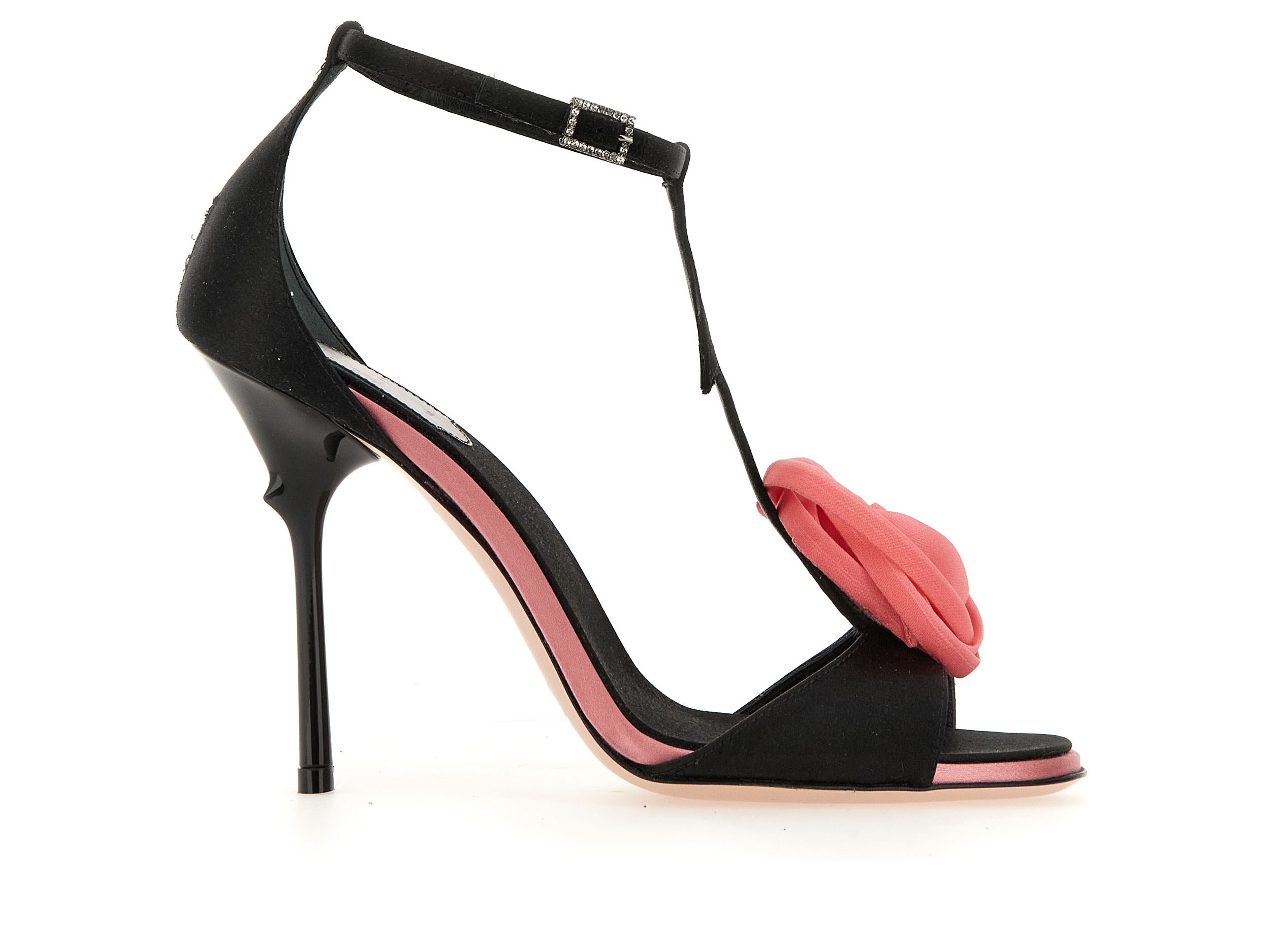
Strapper’s Delight
Roger Vivier La Rose Vivier sandals in satin, $2,620; rogervivier.com
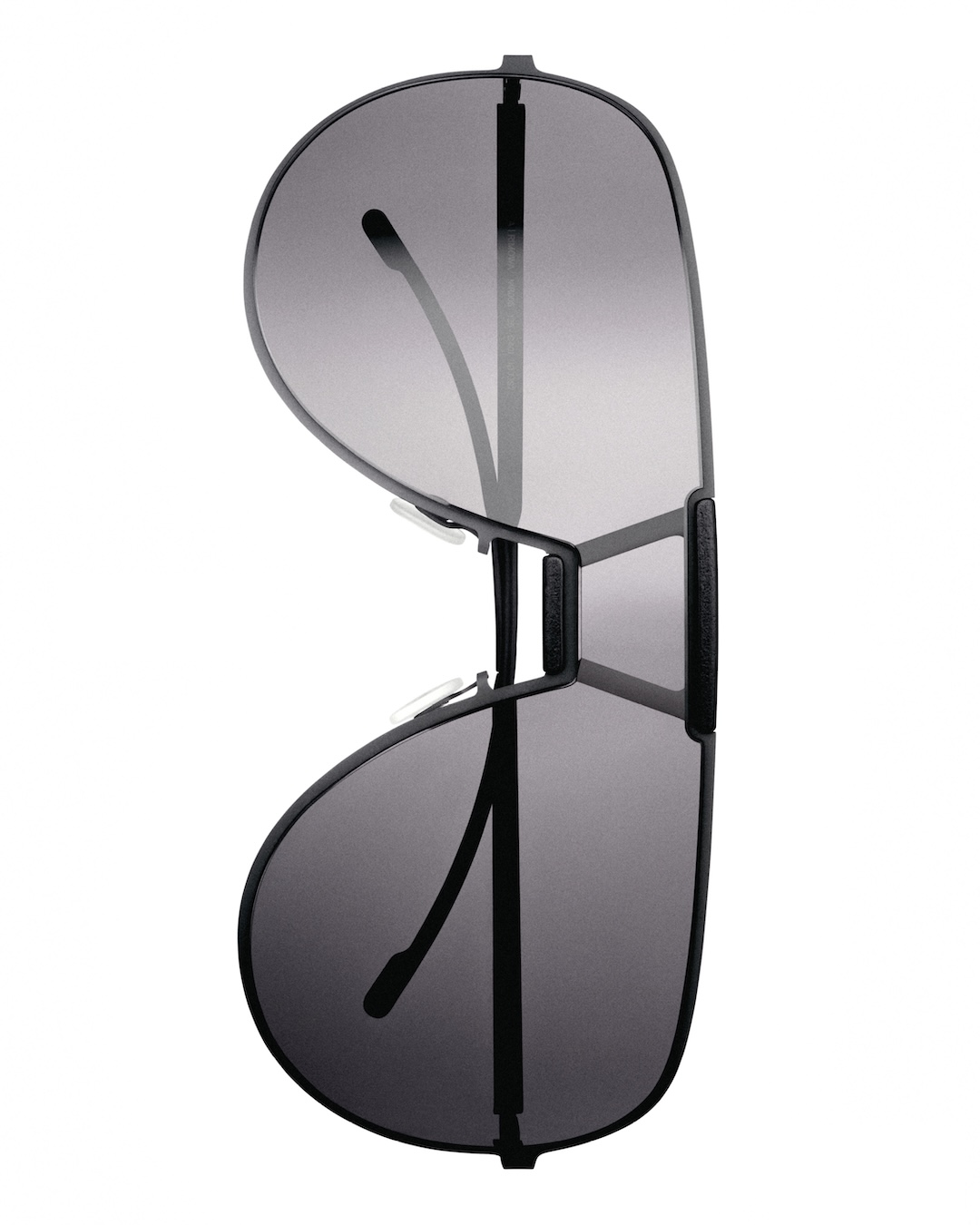
Sun Kings
Rimowa x Mykita Visor MR005 Aviator Sunshield, $940; rimowa.com
Take Your Best Shot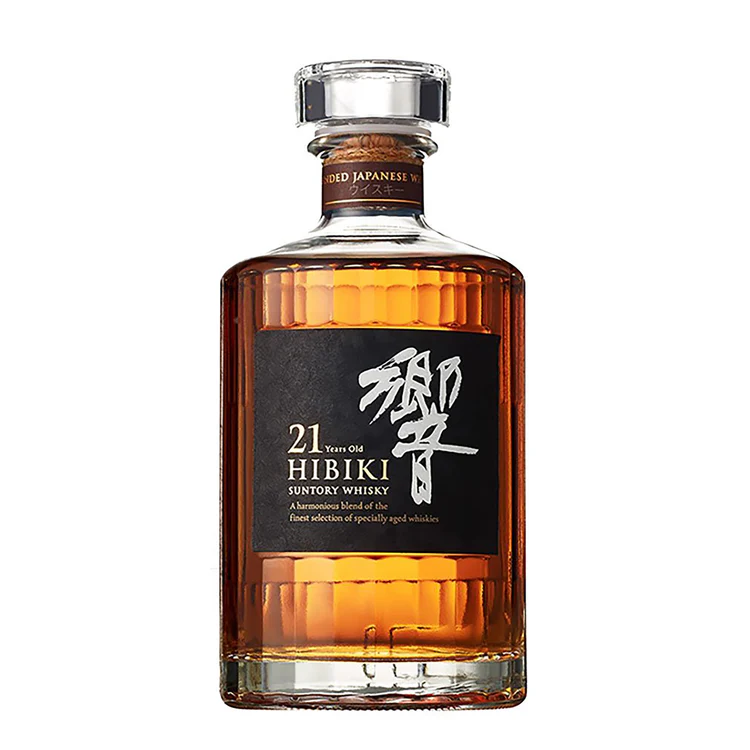
Hibiki 21 Year Old blended whisky, $1,399; kentstreetcellars.com.au
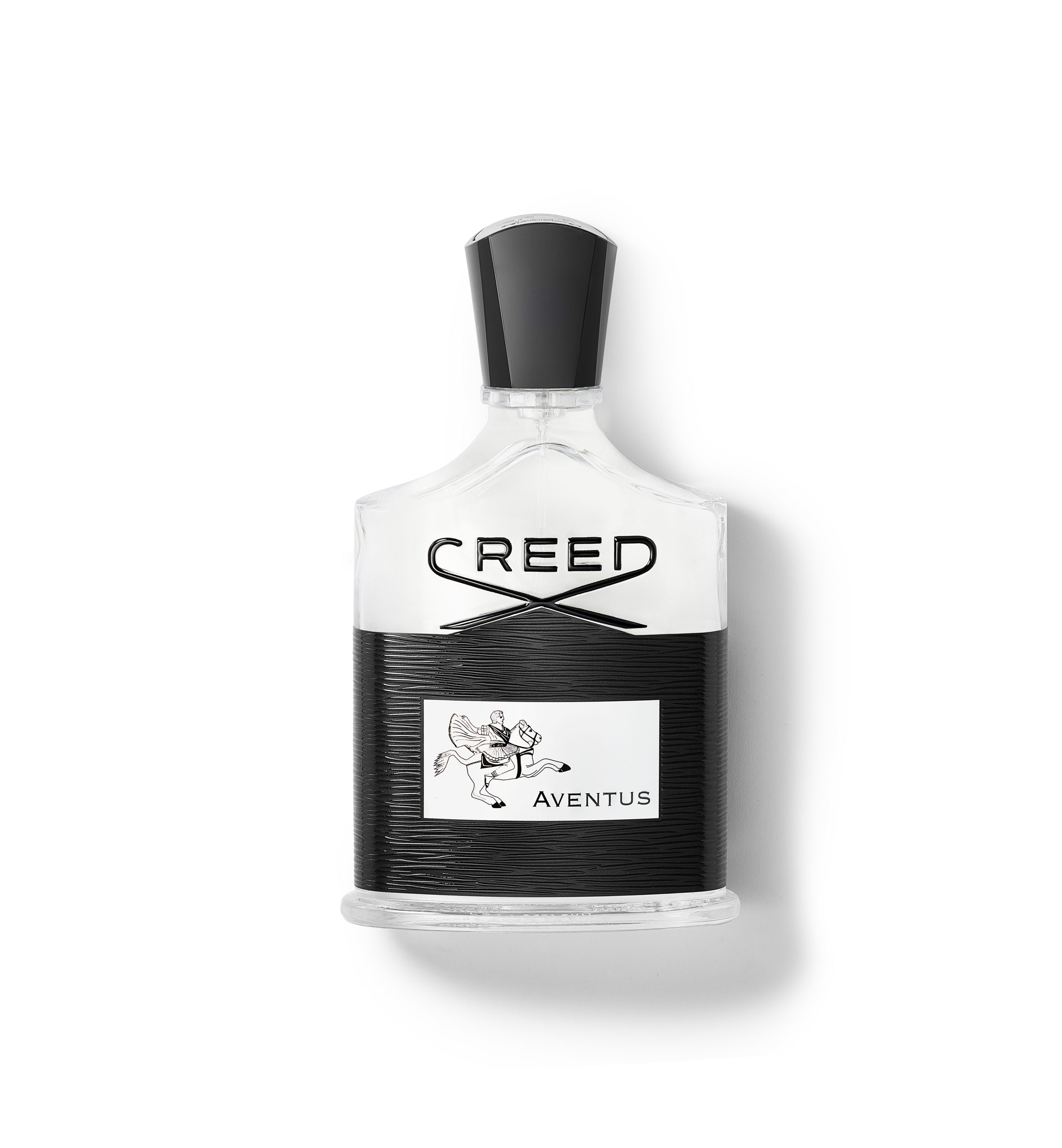
Making Perfect Scents
Creed Aventus, $559; creedperfume.com.au
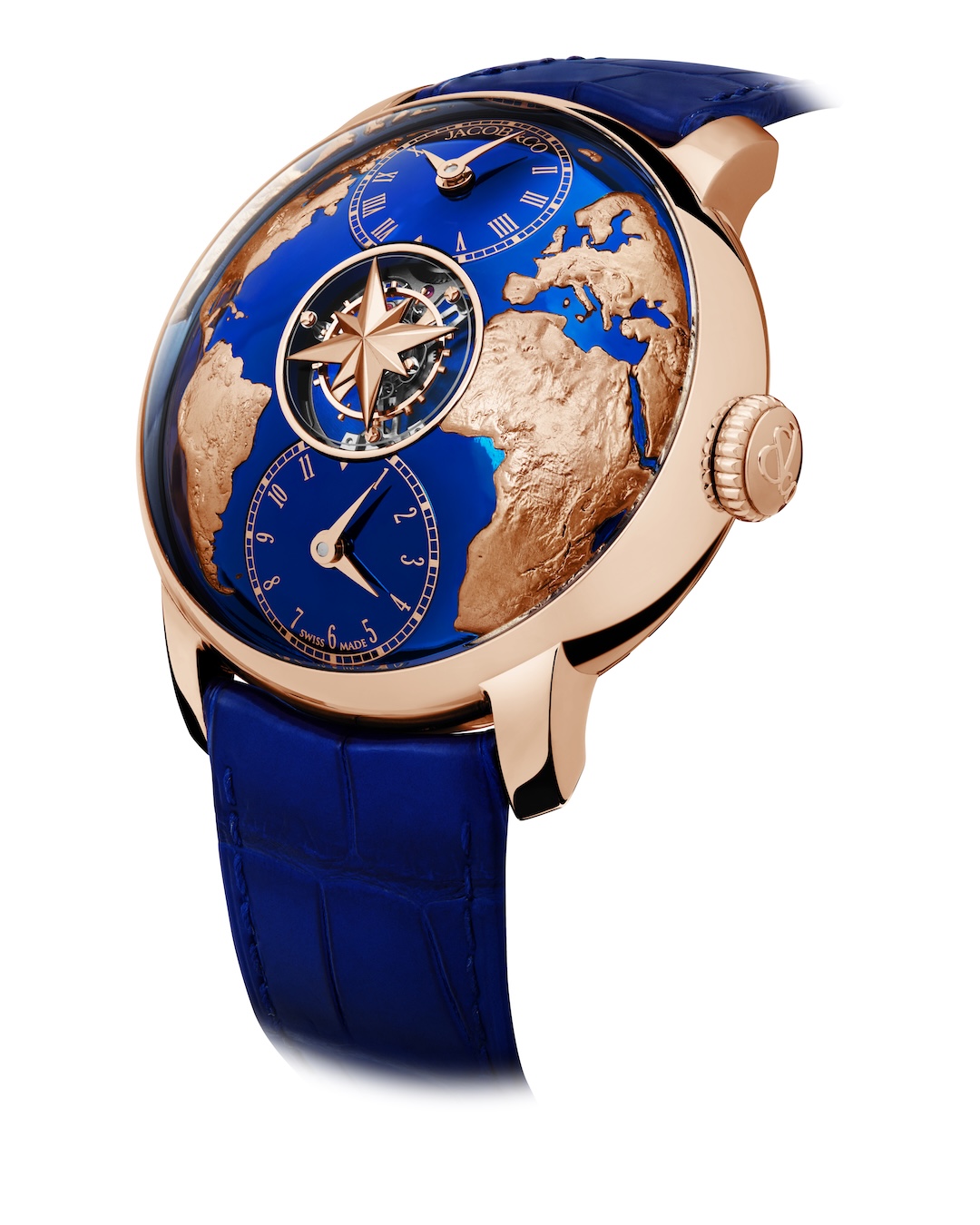
Earth Hour
Jacob & Co. The World is Yours Dual Time Zone Tourbillon, $464,750; inspire@jacobandco.com.au
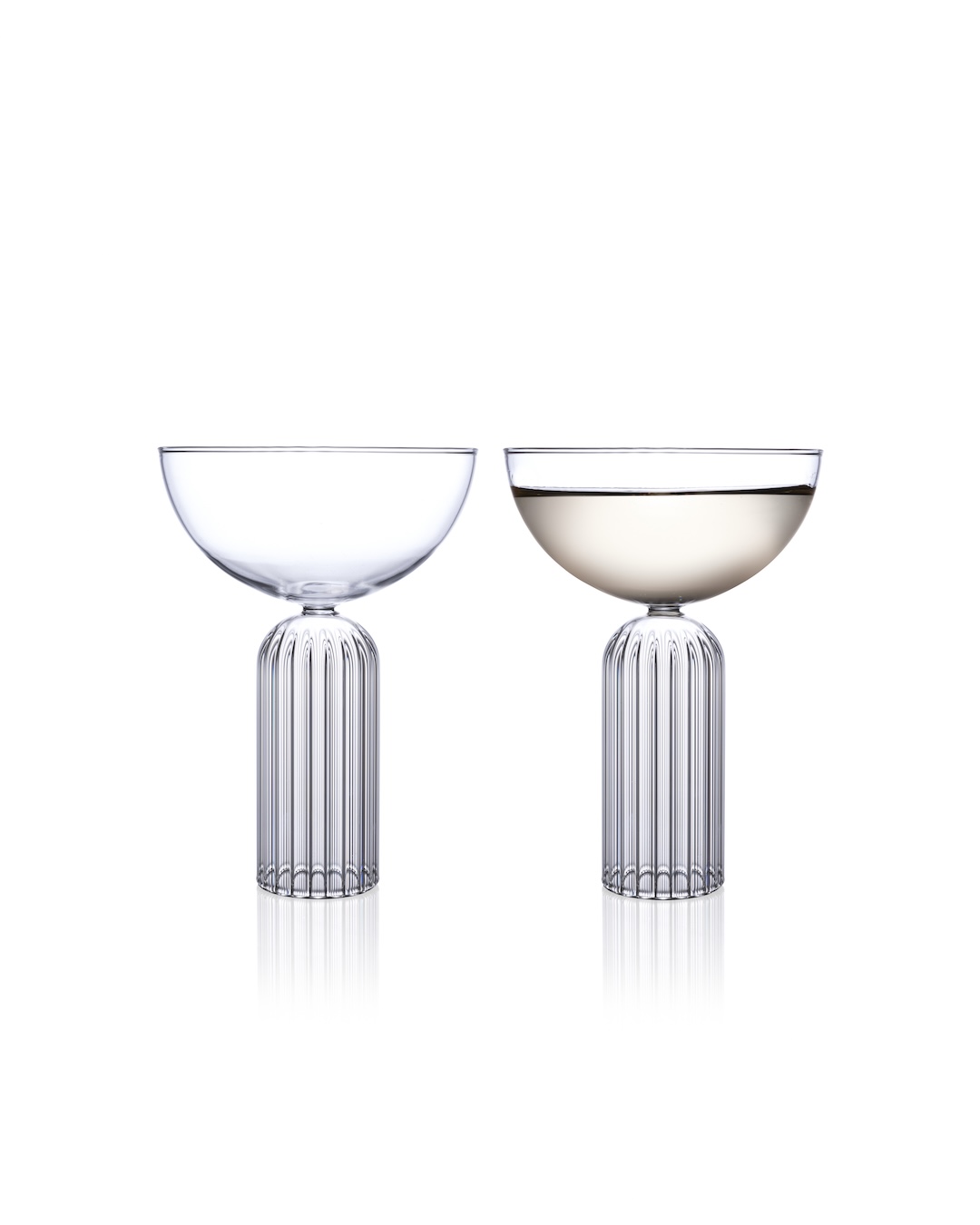
Glass Acts
Fferrone May coupe, $445 (set of two); spacefurniture.com
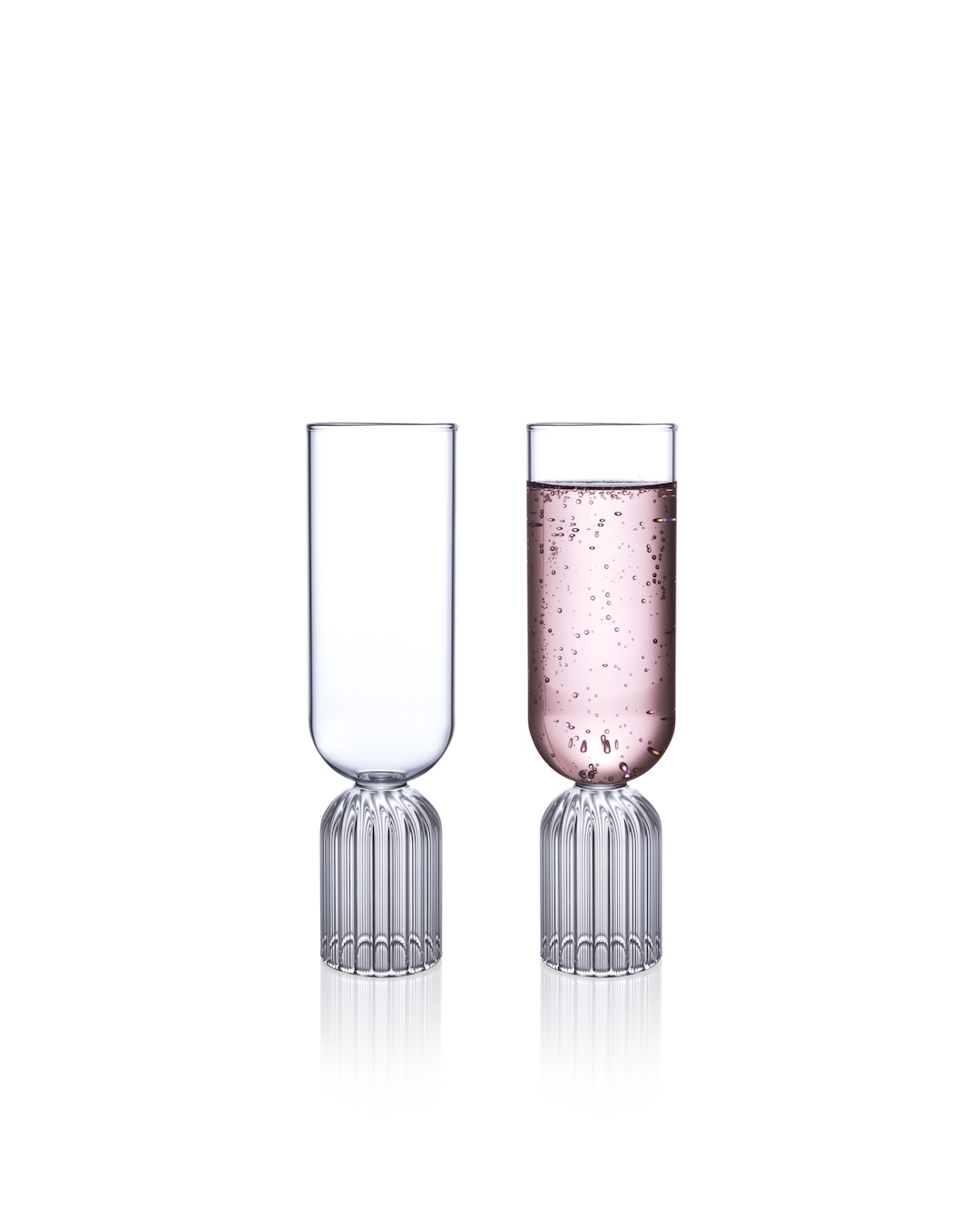
Fferrone May flute, $375 (set of two); spacefurniture.com
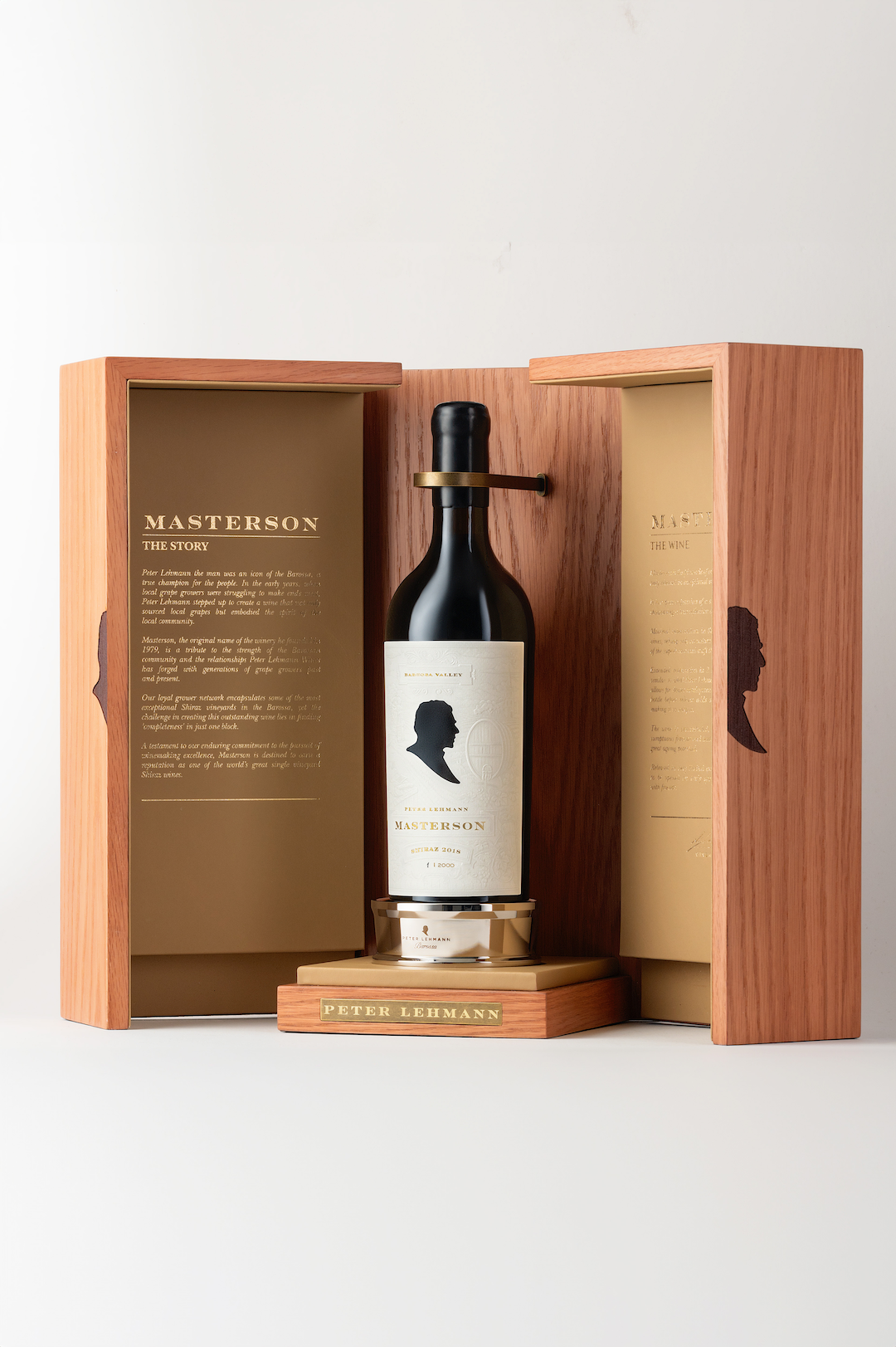
Worth the Wait
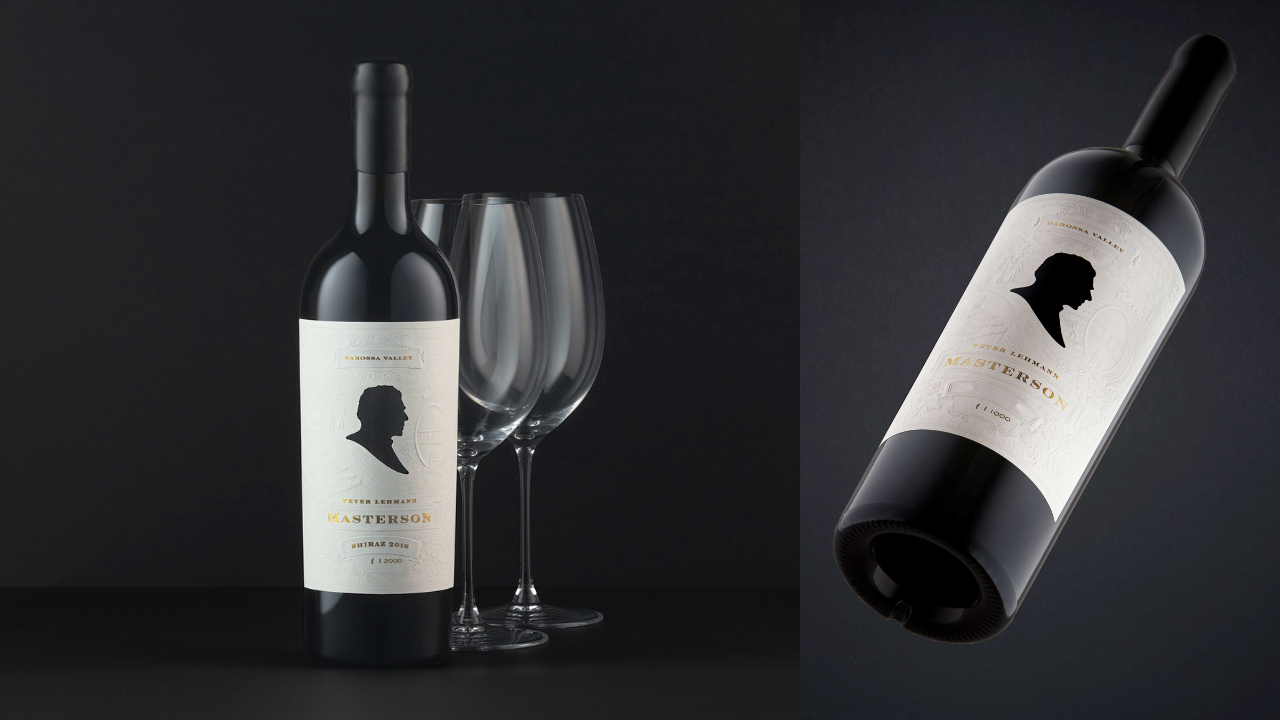
Masterson 2018 Shiraz. $1,000; available to order from the Peter Lehmann Cellar Door by calling (08) 8565 9555.
You may also like.
17/12/2025
By Maeve Galea
17/12/2025
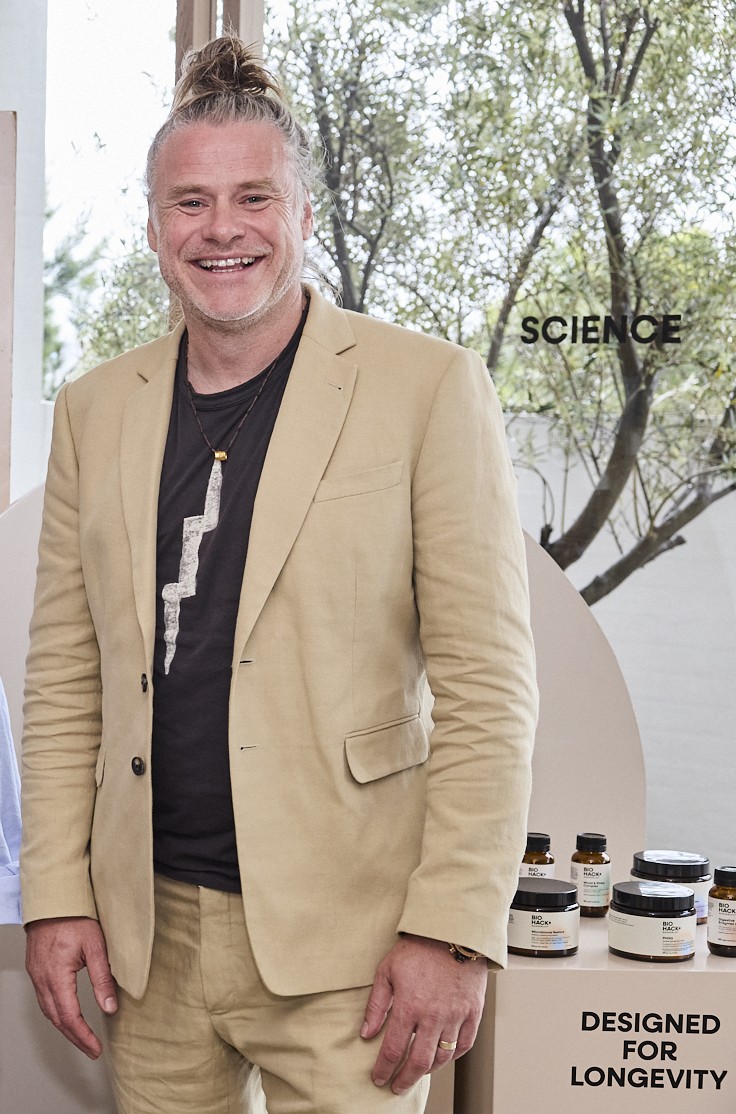
Radek Sali’s Wellspring of Youth
The wellness entrepreneur on why longevity isn’t a luxury—yet—and how the science of living well became Australia’s next great export.
Australian wellness pioneer Radek Sali is bringing his bold vision for longevity and human performance to the Gold Coast this weekend with Wanderlust Wellspring—a two-day summit running 25-26 October 2025 at the RACV Royal Pines Resort in Benowa. Sali, former CEO of Swisse and now co-founder of the event and investment firm Light Warrior, has long been at the intersection of wellness, business and conscious purpose.
Wellspring promises a packed agenda of global thought leaders in biohacking and longevity, including Sydney-born Harvard researcher David Sinclair, resilience pioneer Wim Hof, performance innovator Dave Asprey and muscle-health expert Gabrielle Lyon. From immersive workshops to diagnostics, tech showcases, and movement classes, Sali aims to make longevity less a niche pursuit for the elite and more an accessible cultural shift for all. Robb Report ANZ recently interviewed him for our Longevity feature. Here is an edited version of the conversation.
You’ve helped bring Wellspring to life at a moment when longevity seems to be dominating the cultural conversation. What drew you personally to this space?
I’ve always been passionate about wellness, and the language and refinement around how we achieve it are improving every day. Twenty years ago, when I was CEO of Swisse, a conference like this wouldn’t have had traction. Today, people’s interest in health and their thirst for knowledge continue to expand. What excites me is that wellness has moved into the realm of entertainment—people want to feel better, and that’s something I’ve always been happy to deliver.
There are wellness retreats, biohacking clinics, medical conferences everywhere. What makes Wellspring different?
Accessibility. A wellness retreat can be exclusive, but Wellspring democratises the experience. Tickets start at just $79, with options up to $1,800 for a platinum weekend pass. That means anyone can learn from the latest thought leaders. Too often in this space, barriers are put up that limit who can benefit from the science of biohacking. We want Wellspring to be for everyone.
You’re not just an organiser, but also an investor and participant in this field. How do you reconcile passion with commercial opportunity?
Any investment I make has to have purpose. Helping people optimise their health has driven me for two decades. It’s satisfying not just as an investor but as an operator—it builds wonderful culture within organisations and makes a real difference to people’s lives. That’s the natural fit for me, and something I want to keep refining.
What signals do you look for in longevity ventures to separate lasting impact from passing fads?
A lot of what we’re seeing now are actually old ideas resurfacing, supported by deeper scientific research. My father was one of the first in conventional medicine to talk about diet causing disease and meditation supporting mental health back in the 1970s. He was dismissed at first, but decades later, his work was validated. That experience taught me to look for evidence-based practices that endure. Today, we’re at a point where great scientists and doctors can headline events like Wellspring—that’s a huge cultural shift.
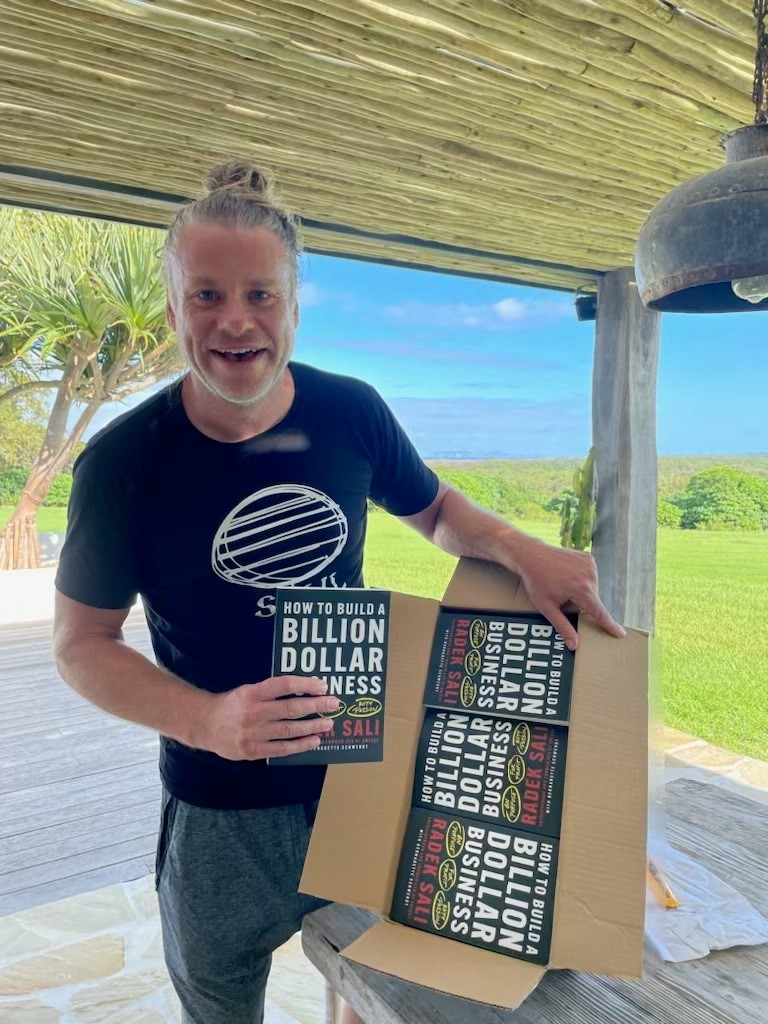
Longevity now carries a certain cultural cachet—its own insider language and status markers. How important is that to moving the field forward?
Health is our most precious asset, and people have always boasted about their routines—whether it’s going to the gym, doing a detox, or training for a marathon. What’s different now is that longevity practices are gaining mainstream recognition. I see it as something to be proud of, and I want to democratise access so everyone can ride the biohacking wave.
But some argue that for the ultra-wealthy, peak health has become a kind of luxury asset—like a private jet or a competitive edge.
That’s short-sighted. Yes, there are extremes, but most biohacking methods are accessible and inexpensive. Look at the blue zones—their lifestyle practices aren’t costly, yet they lead to long, healthy lives. That’s essential knowledge we should be sharing widely, and Wellspring is designed to do that in an engaging way.
Community is often cited as a key factor in healthspan. How does Wellspring foster that?
Community is at the heart of it. Just as Okinawa thrives on social connection, we want Wellspring to be a regular gathering place where people uplift each other. Ideally, it would become as busy as a Live Nation schedule—but for health and wellness.
Do you worry longevity could deepen class divides?
Class divides exist, and health isn’t immune. But in Australia, we’re fortunate—democracy and a strong equalisation process help maintain quality of life for most. Proactive healthcare, like supplementation and lifestyle changes, isn’t expensive. In fact, it’s cheaper than a daily coffee. That’s why we’re one of the top five longest-living nations. The opportunity is to keep improving by making proactive health accessible to everyone.
Some longevity ventures are described as “hedge-fund moonshots.” Others, like Wellspring, seem grounded in time-tested approaches. Where do you stand?
There’s value in both, but I’m more interested in sensible, sustainable practices. Things like exercise, meditation, and community-driven activities are proven to extend life and improve wellbeing. Technology can support this, but we can’t lose sight of the human elements—connection, balance, and purpose.
Finally, what role can Australia—and Wellspring—play in shaping the global longevity conversation?
The fact that we can put on an event like Wellspring, attract world-leading talent, and already have commitments for future years says a lot. Australia is far away, but that hasn’t stopped great scientists and thinkers from coming. We’ll be here every year, contributing to the global conversation and, hopefully, helping more people extend their healthspan.
You may also like.
By Oren Hartov
16/12/2025
By Maeve Galea
17/12/2025